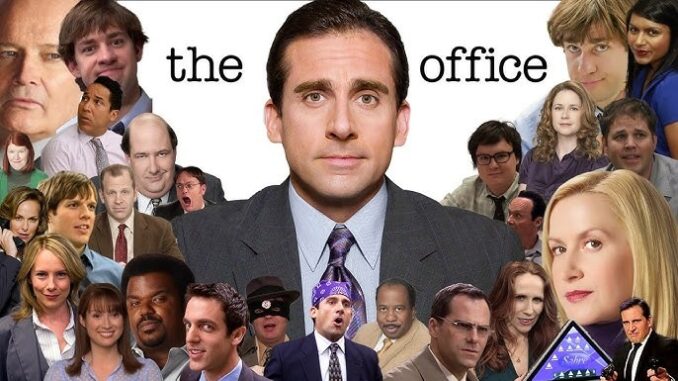
The Office Turns 20: An Oral History of Season 1 From the Writers Who Shaped It
Introduction: Twenty Years of Awkward Perfection
It’s hard to believe, but The Office—the show that redefined workplace comedy, launched a thousand memes, and made awkward silence funny—just turned 20. What started as a risky adaptation of a British mockumentary became one of the most beloved sitcoms of all time.
But Season 1? That was the real gamble.
Before Jim and Pam became TV’s favorite will-they-won’t-they, before Michael Scott softened into a lovable mess, and before The Office became a cultural juggernaut, there was a tiny writers room filled with anxiety, ambition, and a lot of second-guessing.
This is the oral history of The Office Season 1—told through the voices, instincts, and creative risks of the writers who shaped it.
The Office Season 1 at 20 Years Old
Season 1 of The Office premiered in 2005 with just six episodes. No laugh track. No flashy jokes. Just painfully real office life captured through shaky cameras and lingering glances.
At the time, it didn’t scream “hit.”
In fact, it whispered, “Are we sure about this?”
Adapting a British Classic for American TV
Why the Original UK Version Was Untouchable
Ricky Gervais and Stephen Merchant’s The Office (UK) was already legendary. Its dry humor, cringe-heavy moments, and bleak realism felt deeply British—and almost impossible to translate.
NBC knew the risks.
The writers knew them even better.
The Pressure of Reinventing, Not Copying
The mission wasn’t to recreate the UK version beat-for-beat. It was to reinterpret it for an American audience without losing its soul.
That meant:
-
Softer characters
-
Longer emotional arcs
-
More hope beneath the awkwardness
Season 1 walked that tightrope carefully—and sometimes shakily.
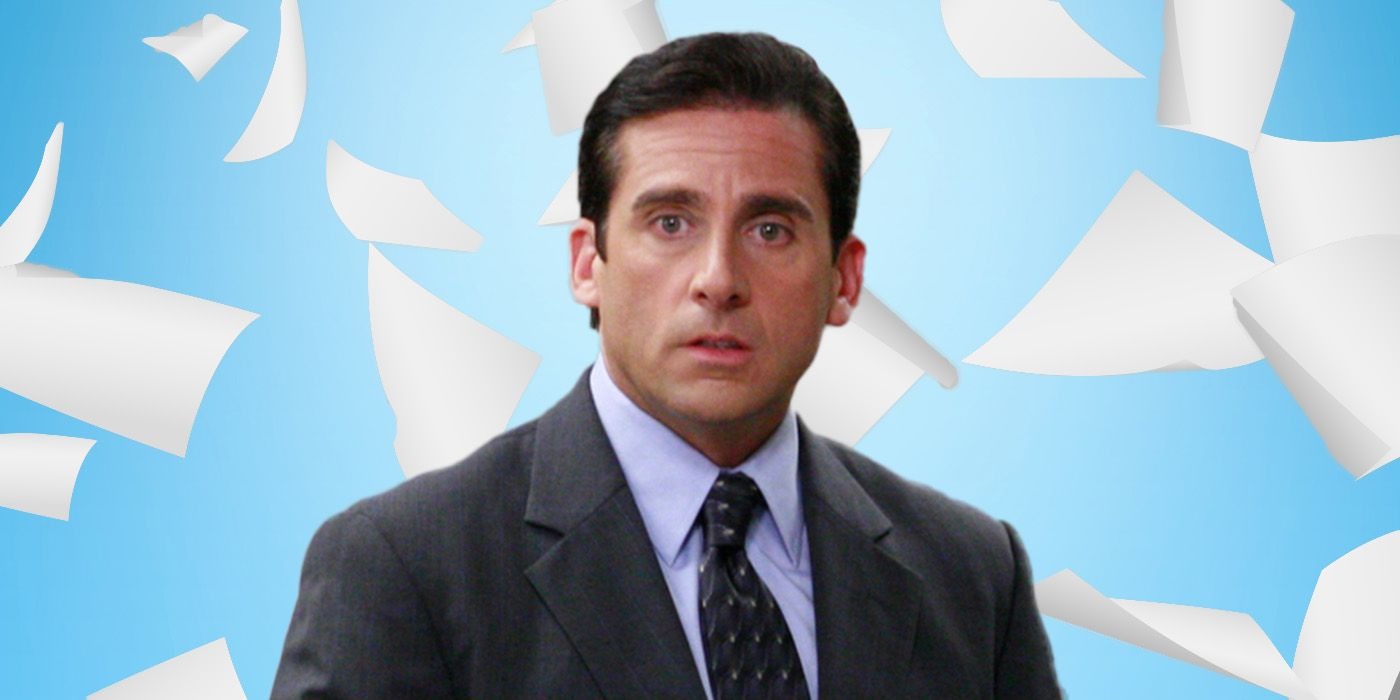 The Writers Room That Started It All
A Small Team with a Big Vision
Season 1’s writers room was lean, intense, and filled with people who believed discomfort could be funny.
They weren’t chasing punchlines.
They were chasing truth.
Comedy Built on Silence
One of the boldest choices? Letting moments breathe.
The writers trusted:
-
Long pauses
-
Awkward eye contact
-
Characters saying the wrong thing
That silence became the show’s secret weapon.
Michael Scott—Too Mean or Perfectly Real?
The Early Michael Scott Problem
Let’s be honest—Season 1 Michael Scott is rough.
He’s inappropriate. Clueless. Borderline unbearable.
And that was intentional.
Why the Writers Didn’t Soften Him Right Away
The writers wanted Michael to feel real before lovable. They modeled him after bosses everyone has had—and no one wants to remember.
Steve Carell leaned into that discomfort, even when it scared the network.
The gamble? Viewers would stick around long enough to see his humanity.
Jim and Pam—The Emotional Anchor
Love Story Without Trying Too Hard
From the start, the writers knew Jim and Pam weren’t just comic relief. They were the heart.
Their relationship wasn’t rushed.
It wasn’t flashy.
It felt… familiar.
Like something happening in the cubicle next to yours.
Subtlety Over Sitcom Tropes
Season 1 planted seeds:
-
Lingering looks
-
Shared jokes
-
Quiet disappointment
No big speeches. Just real feelings.
Why Season 1 Feels So Different
A Documentary That Forgot It Was Funny
Early episodes feel almost too real. That’s because the writers treated the mockumentary format seriously.
They asked:
-
Why is the camera here?
-
What wouldn’t someone say on film?
-
What makes this uncomfortable?
Comedy followed naturally.
Network Doubts and Ratings Anxiety
NBC Wasn’t Convinced
Ratings were modest. Feedback was mixed. Some executives worried the show was too cold, too awkward, too niche.
Cancellation felt close—very close.
The Writers’ Quiet Confidence
Behind the scenes, the writers believed in the tone. They knew Season 1 was laying groundwork, not chasing applause.
They just needed time.
Episodes That Defined Season 1
“Diversity Day” Changed Everything
If Season 1 had a breakout moment, it was “Diversity Day.”
Uncomfortable? Absolutely.
Necessary? Completely.
The episode proved the show could tackle real issues with honesty—and still be funny.
Comedy With Consequences
The writers didn’t let characters off the hook. Actions had weight. Silence had meaning.
That’s what made it work.
Finding Humor in the Ordinary
Office Life as a Comedy Goldmine
No car chases. No grand gestures. Just:
-
Bad meetings
-
Petty rivalries
-
Copier jams
The writers understood something brilliant: everyday boredom is hilarious when you look closely enough.
How Season 1 Shaped the Show’s Future
Lessons That Guided Later Seasons
Season 1 taught the writers:
-
Characters matter more than jokes
-
Awkwardness builds trust with the audience
-
Emotional payoff requires patience
These lessons became the backbone of future seasons.
Why The Office Still Resonates 20 Years Later
It Feels Human
Even now, Season 1 feels raw. Imperfect. Honest.
In a world of polished content, that authenticity hits harder than ever.
We See Ourselves in Dunder Mifflin
We’ve all worked there.
We’ve all known that boss.
We’ve all been Jim, staring at the camera like, “Is this real life?”
The Writers’ Legacy
Changing Television Comedy Forever
Season 1 didn’t just launch a hit—it changed how sitcoms could be written.
No laugh track.
No forced jokes.
Just humanity.
That influence still echoes across modern TV.
Conclusion: The Season That Started It All
Twenty years later, The Office Season 1 stands as a creative leap of faith. It wasn’t perfect. It wasn’t universally loved at first. But it was brave.
The writers trusted awkwardness.
They trusted silence.
They trusted the audience.
And in doing so, they created something timeless.
Season 1 wasn’t just the beginning of The Office—it was the foundation of a comedy revolution.