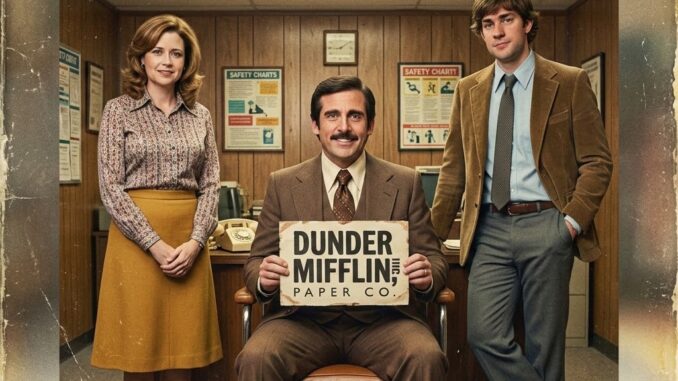
21 Years of The Office: Why the Dunder Mifflin Legacy is Immortal
Can you believe it’s been over two decades? It feels like just yesterday we were watching a grainy documentary crew walk into a nondescript office building in Scranton, Pennsylvania. Today marks exactly 21 years since The Office premiered on NBC, and honestly, the world of comedy hasn’t been the same since. What started as a risky American adaptation of a British cult classic turned into a cultural juggernaut that refuses to fade away.
Whether you’re a first-time viewer or someone who uses “That’s what she said” as a daily punctuation mark, there is no denying the gravitational pull of Dunder Mifflin. It’s the ultimate “comfort food” television. But why? Why does a show about selling paper—the most boring product imaginable—continue to outrank flashy big-budget dramas in the hearts of millions?
The Big 2-1: A Milestone for the World’s Best Boss
Hitting the 21-year mark is a big deal. In television years, that’s practically ancient. Most sitcoms from the mid-2000s have been relegated to the bargain bin of history, yet The Office remains a permanent fixture on our screens. It has survived the transition from cable TV to the DVD era, and finally, to its current status as the undisputed king of streaming platforms.
The secret sauce wasn’t just the jokes; it was the cringe. Before The Office, sitcoms were shiny, loud, and featured constant laugh tracks telling you when to giggle. Then came Michael Scott, a man so desperately in need of love that he made every social interaction a minefield of awkwardness. We didn’t just laugh; we hid behind our pillows. That visceral reaction is exactly why the show stuck.
The Mockumentary Magic: A Lens Into the Ordinary
The decision to film The Office as a documentary was a stroke of genius. It gave the show a “raw” feel that made the characters feel like people we actually knew. When Jim Halpert looks directly into the camera after Dwight does something ridiculous, he’s not just breaking the fourth wall—he’s inviting us into the joke. He’s the audience’s proxy, the sane man in an insane world.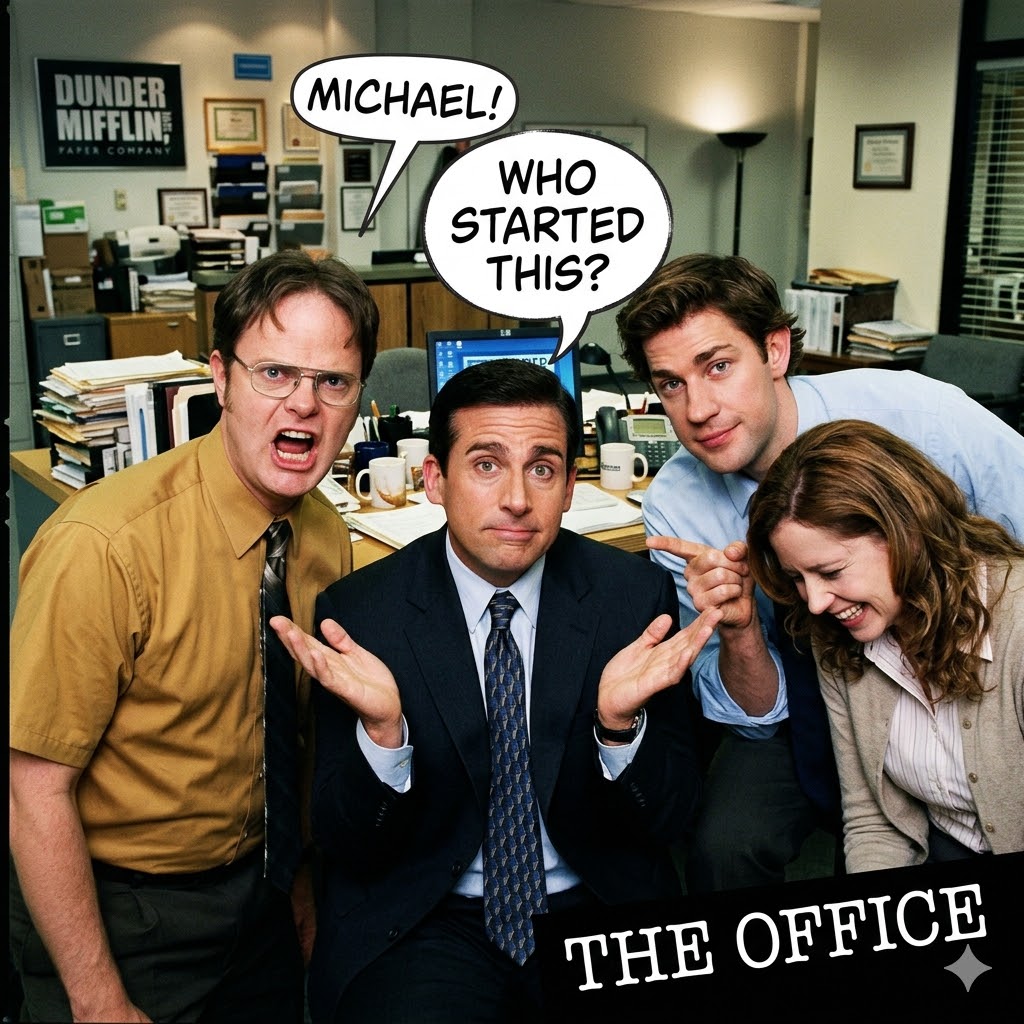
The Relatability Factor: We All Know a Dwight
Let’s be real: everyone has worked with a Dwight Schrute. Everyone has had a boss who thinks they’re a “cool friend” like Michael, and everyone has felt the slow-burn pining of a Jim-and-Pam romance. The show tapped into the universal experience of the 9-to-5 grind. It took the mundane—the broken copier, the stolen stapler, the endless meetings—and turned it into high art.
Michael Scott: The Heartbeat of Scranton
You can’t talk about 21 years of The Office without Bowing down to Steve Carell. His portrayal of Michael Gary Scott is a masterclass in comedic timing and unexpected empathy. Michael could have easily been a one-dimensional villain—a sexist, racist, incompetent jerk. Instead, Carell infused him with a childlike innocence.
The Philosophy of the World’s Best Boss
Michael didn’t want to be a manager; he wanted to be an entertainer. He viewed the office as his stage and his employees as his family. Sure, he managed to burn his foot on a George Foreman Grill and promised a classroom of kids college tuition he didn’t have (the legendary “Scott’s Tots” cringe), but his intentions were always, somehow, pure. He just wanted to be loved.
Why We Forgive the Cringe
We forgive Michael because we see his loneliness. In an era of cynical TV, The Office had a surprising amount of heart. When Michael shows up to Pam’s art show when no one else does, it’s a moment of pure, unadulterated kindness that balances out ten episodes of him being an idiot.
The Evolution of Jim and Pam: A Love Story for the Ages
Before “shipping” was even a common term, the entire world was shipping PB&J (Pam Beesly and Jim). Their relationship is the emotional spine of the series. For the first few seasons, their “will-they-won’t-they” tension was the primary reason people tuned in.
Small Moments, Big Impact
It wasn’t about grand gestures. It was about the teapot. It was about the gas station proposal in the pouring rain. It was about Jim buying his parents’ house for Pam without telling her. These moments felt real because they were grounded in the quiet reality of everyday life.
The Reality of Marriage and Growth
Unlike many sitcoms that lose steam once the lead couple gets together, The Office explored the actual challenges of marriage. They fought about career moves, they struggled with kids, and they almost broke up. This honesty made their eventual “happily ever after” feel earned rather than scripted.
The Supporting Cast: The Dunder Mifflin Ensemble
While Michael, Jim, and Pam were the leads, the show wouldn’t be half as good without the “background” characters. Each person at their desk was a fully realized human being with their own bizarre quirks.
-
Angela Martin: The cat-loving, stern accountant.
-
Kevin Malone: The man who just wanted to eat his chili and do “math.”
-
Creed Bratton: A man whose backstory is a fever dream of mystery and mild illegalities.
-
Stanley Hudson: The hero of everyone who just wants to do their crossword and go home.
Memorable B-Plots That Stole the Show
Think about “The Dinner Party.” It is widely considered one of the best episodes of television ever made. It’s just four couples in a small apartment, yet the tension and humor are dialed up to eleven. Or “Stress Relief,” where Dwight’s fire drill leads to Stanley having a heart attack and the iconic CPR scene. These moments rely on the chemistry of the entire ensemble.
The “Office” Effect: Impact on Modern Comedy
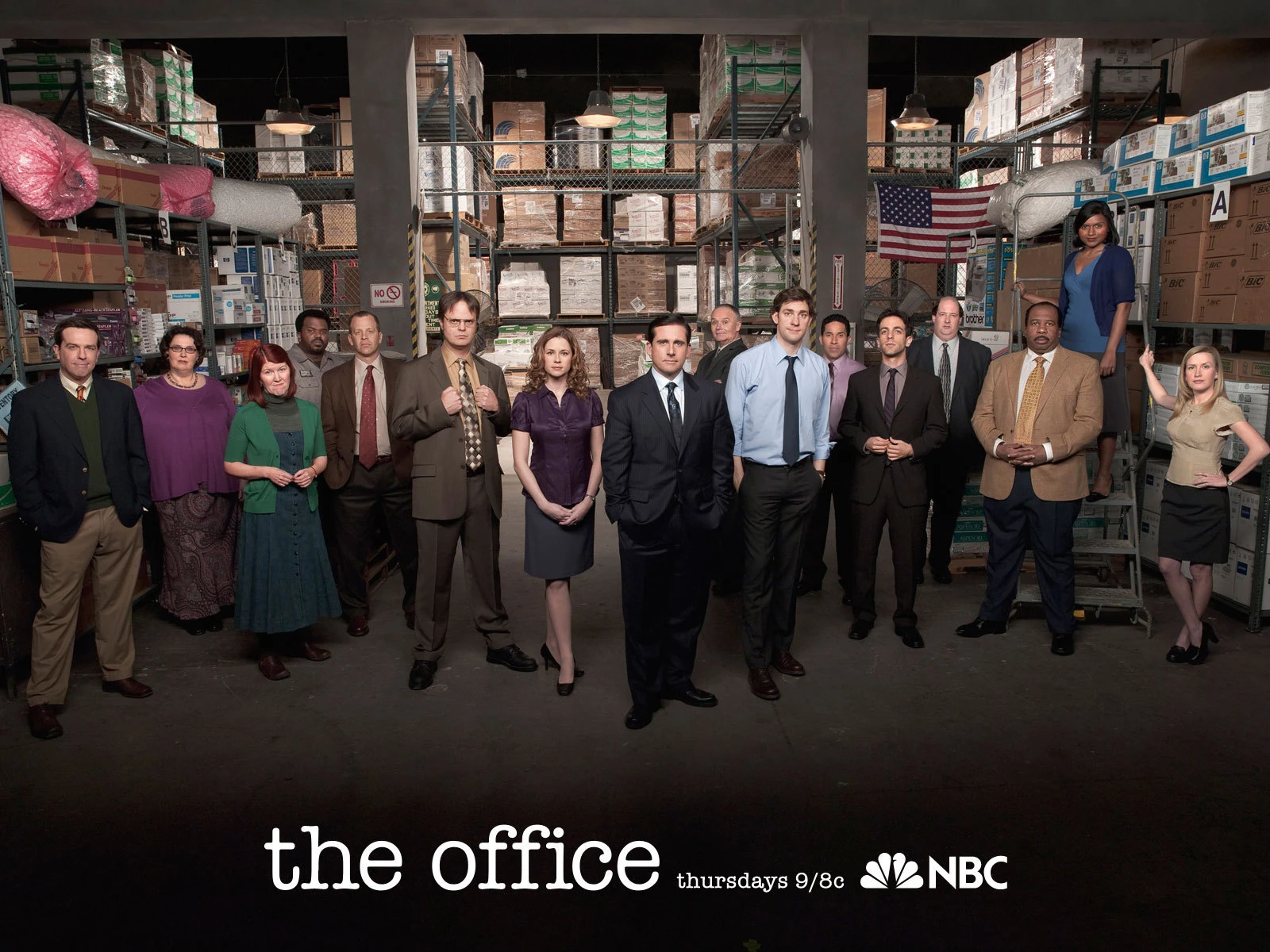
Twenty-one years later, the “mockumentary” style is everywhere. From Parks and Recreation to Modern Family and Abbott Elementary, the DNA of The Office is woven into the fabric of modern sitcoms. It taught creators that you don’t need a live audience to be funny. You just need good writing and actors who know how to use their eyes.
The Meme Culture Powerhouse
The Office is perhaps the most “meme-able” show in existence. Whether it’s Michael screaming “No! God! Please! No!” or Kevin dropping his chili, the show’s frames are used millions of times a day to express human emotion on the internet. It has a digital second life that keeps it relevant to Gen Z, many of whom weren’t even born when the pilot aired.
Why It Still Ranks in 2026
In a world that feels increasingly digital and remote, there’s a strange nostalgia for the physical office. Even as we move toward WFH (Work From Home) cultures, the social dynamics of The Office remain timeless. The petty office politics, the birthday committees, and the shared trauma of a bad boss are universal truths.
The Comfort of Scranton
Life is chaotic. The Office is a constant. You can jump into any episode and feel at home. It’s the background noise of our lives. It’s the show we put on when we’re sad, happy, or just bored. After 21 years, Dunder Mifflin isn’t just a fictional company; it’s a place where we all feel like we work.
Conclusion: Here’s to 21 More Years
The Office isn’t just a series; it’s a landmark. It captured a specific slice of the human experience and preserved it in amber. As we celebrate 21 years since that first episode aired, we aren’t just celebrating a TV show—we’re celebrating the laughter, the cringe, and the reminders that even in the most boring jobs, you can find your best friends, your greatest rivals, and the love of your life.
To Michael, Dwight, Jim, Pam, and the rest of the crew: thanks for the memories. We’ll see you in the breakroom.