Bridgerton and 6 things to know about regency jewelry
The film was also highly praised by critics for its meticulous research and investment in jewelry and costume designs. Below are some explanations for the unique appeal of Georgian and Regency period jewelry.
1. Wreath-shaped necklace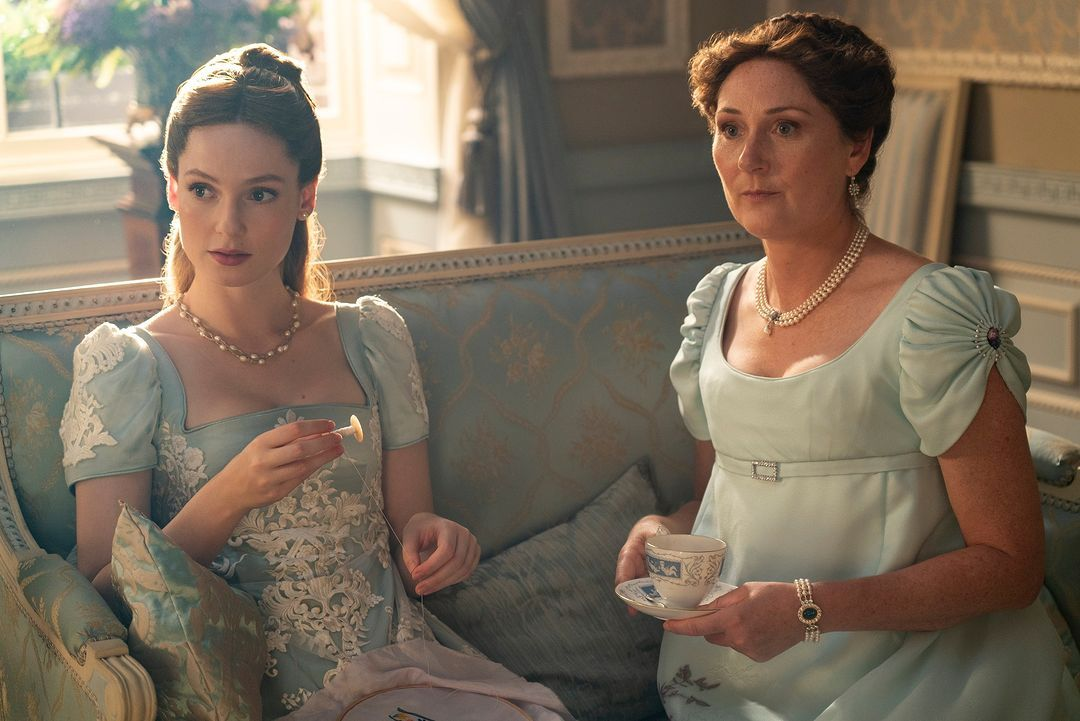
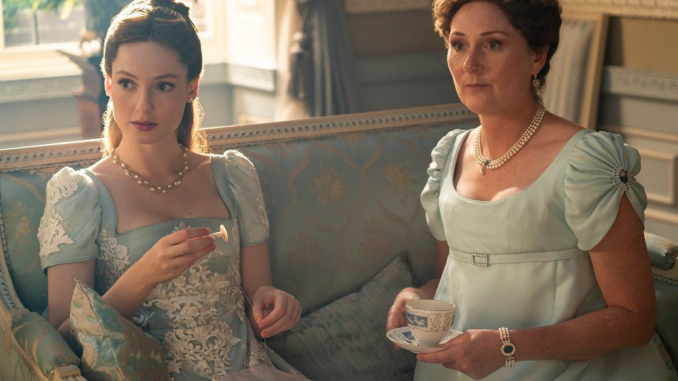
During the Regency period, the “rivière” or floral wreath necklace became very popular, reflecting a style favored by the French royal family, especially Queen Josephine, who was considered a fashion icon of the era.
A floral wreath necklace is a design consisting of a string of gemstones or motifs repeated around the neck. The stones or motifs may be uniform in size and shape, or increase in size towards the front of the necklace. Specifically, in episode 5 of season 3, Violet Bridgerton (Ruth Gemmell) wore this type of necklace at Penelope and Colin’s engagement party.
2. Handmade Jewelry

Before mass-produced jewelry became popular during the Victorian era, a form favored by the middle class, the Georgian and Regency periods were the last periods of handcrafted jewelry making. Highly skilled artisans would stamp gold and soft metals into intricate designs, then hand-cut precious and semi-precious stones for each piece of jewelry. This explains why Georgian and Regency period jewelry often has imperfections; stones within the same design may vary in shape and size. Furthermore, the stones were meticulously crafted to reflect candlelight in ballrooms, creating a captivating effect that enhanced the wearer’s appearance. This can be seen as a testament to the masterful skill of these artisans.
3. Jewelry with Emotional Value
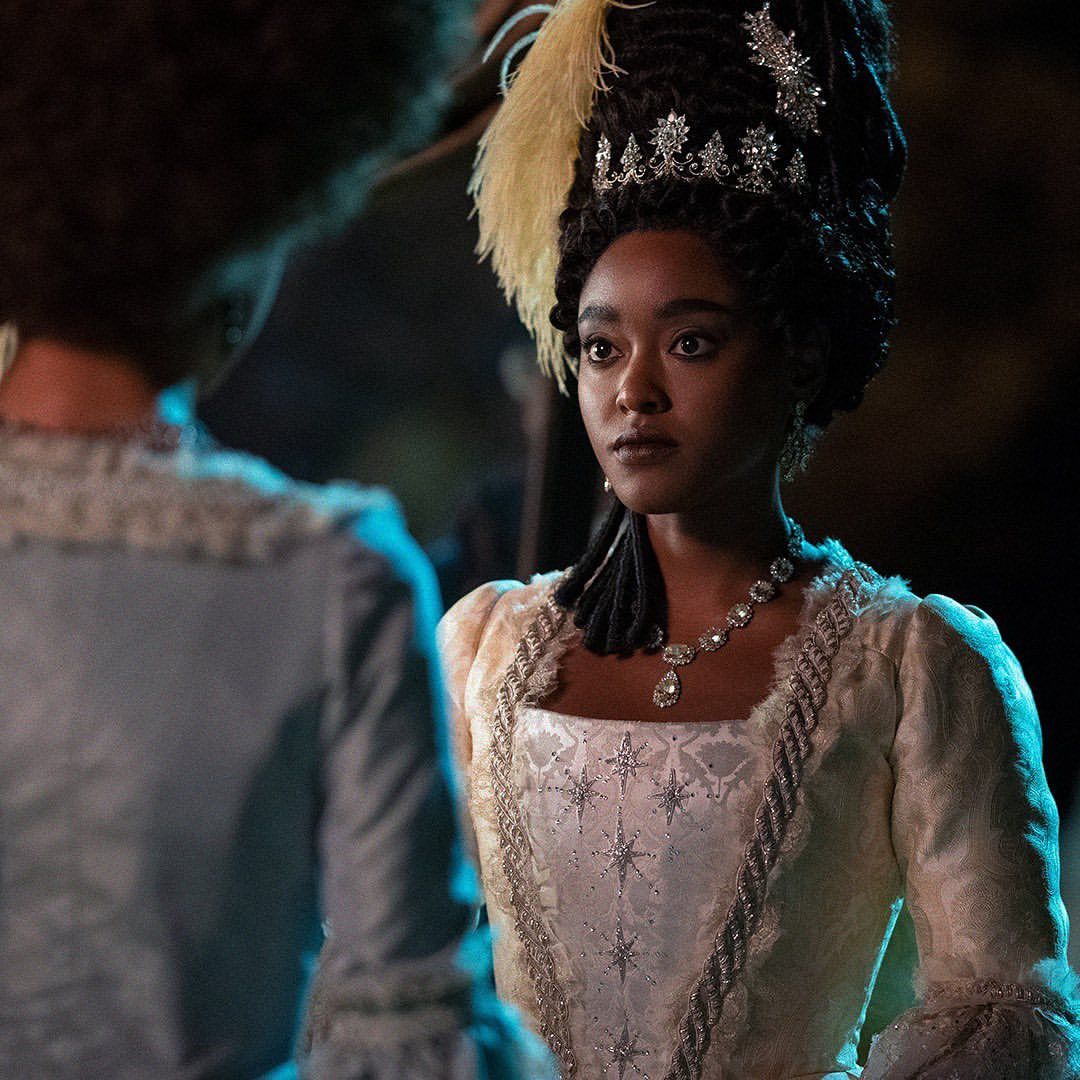
Jewelry from this period often held deep emotional value. The nobility favored pieces of jewelry adorned with letters that carried hidden messages, with stones arranged to form words like “Regard,” “Forever,” and “Love.” Another custom was wearing funeral jewelry – for example, in Queen Charlotte: A Bridgerton Story, Lady Danbury (Arsema Thomas) wore black jewelry after her husband’s death. Funeral jewelry was often crafted from black materials such as obsidian, onyx, black enamel, and black rubber extracted from plants in Southeast Asia.
4. Artificial Jewelry
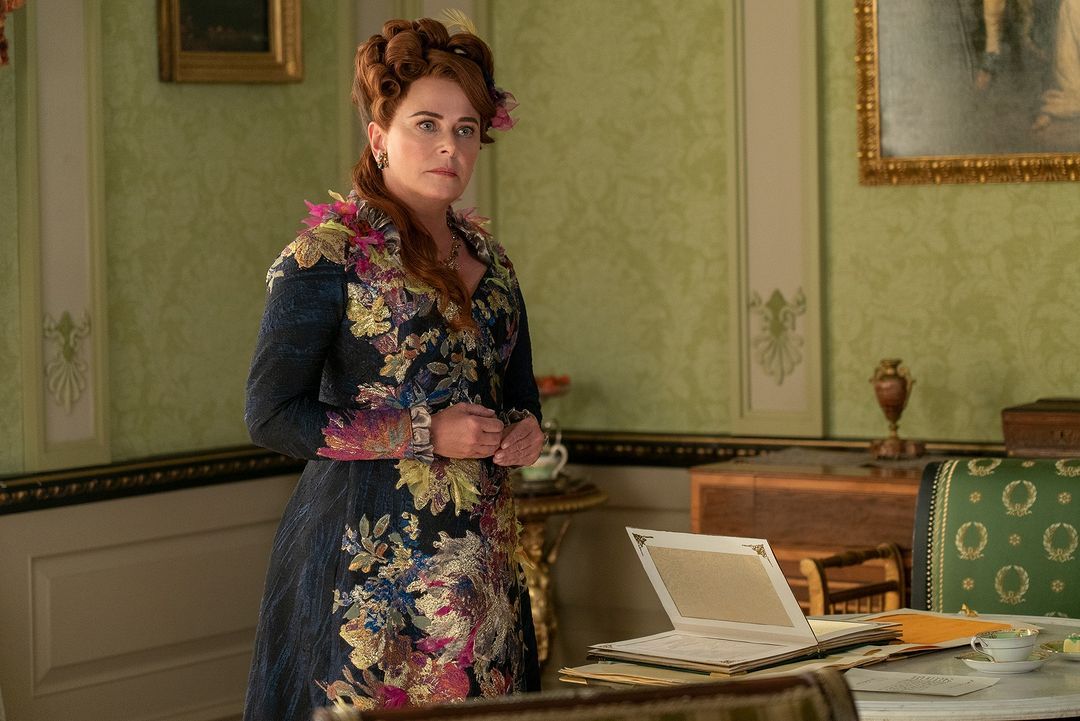
Artificial jewelry consisted of designs crafted from glass to resemble real gemstones. This type of jewelry was very popular during the Georgian and Regency periods. Wealthy people often wear this type of jewelry instead of precious items to avoid being robbed during long journeys. Artificial jewelry is usually crafted by jewelers experienced in working with gemstones, which is why it looks so much like the real thing at first glance. In season two of Bridgerton, there’s a scene involving a fake ruby necklace made of glass that successfully fooled many people – including a jewelry expert, albeit based on visual inspection alone – and the scheme didn’t last long.
5. Coral Jewelry

Considered a symbol of joy, peace, and good fortune, coral became a popular jewelry choice during the Georgian and Regency periods. Many portraits from this era show characters, sometimes children, wearing coral necklaces, bracelets, and amulets to ward off evil spirits. The vibrant colors of coral also became a symbol of health in the artwork of this period. In a scene from Bridgerton season 3, the character Cressida Cowper wears a set of red coral jewelry, a nod to the popularity of coral in the past.
6. Exquisite Headwear

Whether tiaras, crowns, or headdresses adorned with ostrich feathers, Georgian and Regency headwear always reached impressive heights and was often paired with elaborate hairstyles. Bridgerton’s season 3 costume designers recreated the iconic, towering headdresses of history through exquisite hair accessories favored by high-society ladies. Most notably, this included the headwear worn by Queen Charlotte at formal events.