‘I did all the things an actor shouldn’t’: Bridgerton’s Claudia Jessie on class, big breaks – and houseboats
Being cast as a scheming toff in the global phenomenon Bridgerton was a surprise for Claudia Jessie. Fiercely proud of her roots, the Brummie talks about etiquette lessons, getting too many tattoos and why working-class actors so often get a rough deal
The actor Claudia Jessie greets everyone – including journalists, I discover – with an almighty hug. “Hello bab,” she says as we embrace, before returning to the barista, still grinning. We’re meeting in a central Birmingham café, not far from where she lives, and Jessie is displaying the terrier enthusiasm of a kid on holiday. For two straight hours, through tough topics and all, she’s a flurry of sunshine and smiles. “Really,” she declares, “I’m just the happiest I’ve ever been, I couldn’t be happier. My life has, unequivocally, been a lot better than I thought it would be.”
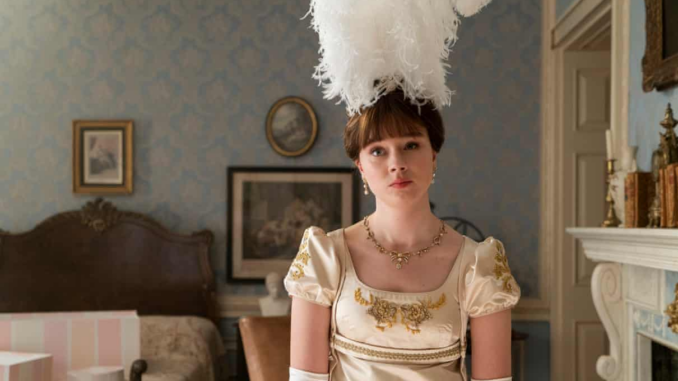
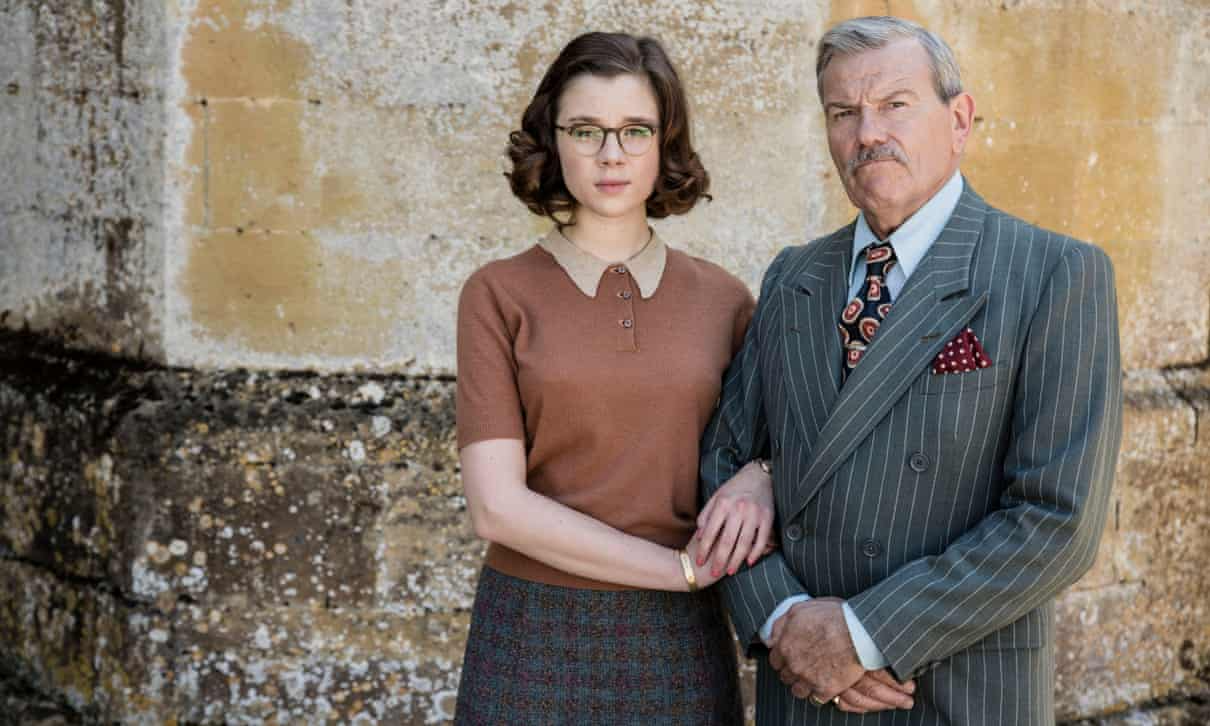
It’s not hard to see why she’s flying high. Jessie is best known as Eloise Bridgerton, the fifth child of a wealthy family finding its place in high society, in Netflix’s boundary-breaking Regency-era drama. We’re here to discuss Bridgerton’s third season, which is just about to air, and in which she remains the show’s much-loved protofeminist cynic. Now 34, she has been working on-screen steadily for a decade. From 2013, leading BBC One’s police drama, WPC 56. Then her turn in ITV’s Vanity Fair miniseries, before her infamous run in season four of Line of Duty as hoity-toity PC Jodie Taylor. There have been bit-parts in The Detectorists, Call the Midwife and Doctor Who.
But Bridgerton is a cultural phenomenon on the biggest streaming service in the world. Getting her head around being in a global smash hit has taken some adjustment. “I do love it,” she says. “Playing Eloise means I get to support my family and friends, which I never thought I’d be able to do. But I was surprised I was cast. And I was absolutely petrified to step on set – I still get nervous. Even going back for season three, I thought I was going to be shit, that they were going to fire me. It’s something that never goes away.”

It suits Jessie to revel in rejecting the trappings of aristo high-society. To a far greater degree than Eloise, she is also an outlier on Bridgerton: a working-class actor playing upper class – a rarity, she reckons, in her industry. “Sometimes, upper-class people play below as well,” she says. “They have their cake and eat it. I think Bridgerton is brilliant, because there are loads of people who wouldn’t usually be seen in those roles as a lady or a duke. When I get interviewed, I am often asked if I’d like to live in the Bridgerton world and I have to remind them that if I did I’d be staff.”
Jessie credits getting her role on the show to the fact that Bridgerton had a working-class casting editor, Cole Edwards. He later became Jessie’s partner. “And I can do a really good posh accent,” she says, “because you’re so used to hearing them growing up – imitating them is easy.” Hers was a winning audition. “I got a job and a fella on the same day,” she says, “it was a great day for me, wasn’t it?” Jessie remains slightly bemused at a remarkable, fortuitous turn of events. A future in the arts seemed unthinkable to her as a child; a future on television even more distant.
Despite Bridgerton’s status as a global juggernaut, Jessie isn’t fretting over her next professional move or manoeuvre. Hollywood blockbuster or fringe theatre? She’d be thrilled with either. “If I can get some cash for acting I’m fucking winning. I didn’t think any of it would happen. I’d just like to continue to get paid to do this.” She’s excited to be starring in a short film called Booty that’s been written and directed by Cole, and going wild-garlic foraging with her step-dad. “If it all went tits-up tomorrow and I died or something, well, my life has been amazing.”
Jessie’s first ever professional gig was as a part of a small, touring theatre troupe, promoting construction engineering. The production’s wrap party was held at a dog-racing track. “There were pamphlets promoting the different dogs,” she remembers, “and there was one which described a dog as ‘young and new to the game, but there’s still more to come from this talented bitch’.” Once again, she’s smiling. “I really hoped one day I’d get described that way…” Well, who could argue with that?