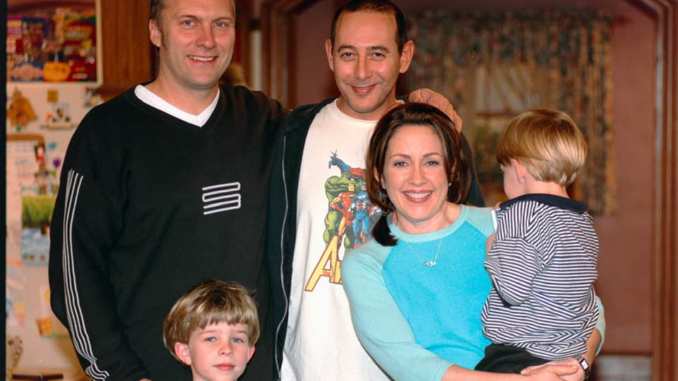
Let’s be honest. Everybody Loves Raymond wasn’t just a sitcom—it was a mirror. A hilarious, slightly exaggerated reflection of marriage, family, and those awkward Sunday dinners we’ve all survived.
But here’s the twist: what happened behind the camera was sometimes just as fascinating as what aired on CBS.
Ready to peek backstage? Let’s dive into three unforgettable behind-the-scenes facts that shaped this iconic show—and might surprise you.
Why Everybody Loves Raymond Still Feels So Real
Before we jump into the secrets, let’s talk about why this series still holds up.
Premiering in 1996, the show starred Ray Romano as sportswriter Ray Barone, alongside Patricia Heaton as Debra, Doris Roberts as Marie, Peter Boyle as Frank, and Brad Garrett as Robert.
The humor worked because it felt lived-in. The arguments? Real. The passive-aggressive comments? Too real.
And that authenticity didn’t happen by accident.
Behind-the-Scenes Fact #1: The Show Was Based on Ray Romano’s Real Life
From Stand-Up Comedy to Sitcom Gold
Did you know the entire premise came directly from Ray Romano’s personal life?
Producers didn’t just borrow a few jokes. They built the show around his real marriage, real parents, and real sibling dynamics.
The overbearing mother? Inspired by his own.
The sibling rivalry? Straight from family history.
It’s like someone took his Thanksgiving dinner and turned it into primetime television.
Debra’s Character Had a Real-Life Blueprint
Debra wasn’t randomly created. She reflected Ray Romano’s actual wife—strong, intelligent, and not afraid to call him out.
That’s why their arguments felt authentic. They weren’t cartoon fights. They sounded like conversations happening in kitchens across America.
And viewers connected because they saw themselves there.
Why This Realism Changed Sitcom Writing
Most sitcoms in the ’90s leaned into flashy jokes and exaggerated situations.
But Everybody Loves Raymond slowed things down. It embraced awkward silence. It let discomfort breathe.
That subtle style became its secret weapon.
Behind-the-Scenes Fact #2: The Cast’s Chemistry Was Built on Real Emotion
The Tension Between Ray and Brad Garrett Was Real (In a Good Way)
Ray and Brad Garrett’s on-screen sibling rivalry worked because their comedic styles clashed perfectly.
Brad Garrett’s towering presence and booming voice contrasted beautifully with Ray Romano’s dry, understated humor.
It was like pairing thunder with a sarcastic drizzle. Odd combination. Perfect result.
Patricia Heaton Fought for Stronger Female Writing
Here’s something you may not know: Patricia Heaton pushed writers to make Debra more than “just the wife.”
She didn’t want Debra reduced to punchlines. She wanted depth.
And she got it.
Debra evolved into one of the most relatable sitcom wives in TV history—flawed, funny, and fiercely human.
Doris Roberts Was Nothing Like Marie Off Camera
Marie Barone may have been controlling and intrusive, but Doris Roberts? Warm, gracious, and adored by cast and crew.
That’s acting.
She flipped a switch when cameras rolled. Off-camera, she mentored younger actors and kept the set positive.
Imagine playing one of TV’s most meddling mothers while being everyone’s favorite grandma backstage.
Behind-the-Scenes Fact #3: The Cast Took Pay Cuts to Keep the Show Fair
The Salary Dispute That Could Have Ended It All
At the height of the show’s success, Ray Romano negotiated a massive pay raise.
But here’s the twist: his co-stars felt the ensemble deserved equal recognition.
Tension brewed. Headlines buzzed.
It could have fractured the show.
The Unexpected Team Move
Instead of letting the conflict explode, Ray Romano agreed to reduce his raise so his co-stars could earn more.
That decision strengthened the cast’s unity.
It wasn’t just about money. It was about respect.
And that move preserved the show’s chemistry during its final seasons.
Why This Moment Matters
Hollywood isn’t known for selfless gestures.
Yet this cast proved something important: teamwork matters more than ego.
And fans could feel that harmony onscreen.
The Live Studio Audience Factor
Why Laughter Felt So Genuine
Unlike many modern sitcoms, Everybody Loves Raymond filmed in front of a live audience.
That meant actors had to nail timing. No hiding behind editing tricks.
The laughter you hear? Real.
Sometimes scenes paused because the audience couldn’t stop laughing.
That energy created magic.
How Long It Took to Perfect a Scene
Rewriting Until It Hurt (In a Good Way)
Writers often rewrote scripts multiple times during rehearsal week.
They tested jokes. Adjusted timing. Cut what didn’t land.
Comedy is rhythm. One misplaced word can ruin a punchline.
The team treated each episode like a polished stand-up set.
Why the Show Ended at Its Peak
Choosing Legacy Over Longevity
After nine seasons, the cast decided to end the show—even though ratings were strong.
Why?
They didn’t want to drag it out and lose quality.
That decision takes courage. Ending something good before it turns average is rare.
The Cultural Impact of Everybody Loves Raymond
Redefining the Family Sitcom
The show redefined how marriage was portrayed on television.
It showed conflict without cruelty. Love without perfection.
It reminded viewers that arguments don’t mean failure—they mean you care.
Global Success Beyond America
The show didn’t just succeed in the U.S. It inspired international adaptations in countries like Russia and Israel.
Family dynamics translate across cultures.
Apparently, intrusive parents are universal.
Why We Still Rewatch It Today
Comfort.
That’s the word.
Watching Everybody Loves Raymond feels like stepping into a familiar living room. You know the couch. You know the jokes. You know the chaos.
And sometimes, predictability feels safe.
The Legacy of Ray Romano and the Cast
Ray Romano went on to dramatic roles. Patricia Heaton continued her television success. Brad Garrett built a strong stand-up career.
But for many fans, they’ll always be the Barone family.
And honestly? That’s not a bad legacy.
What Modern Sitcoms Learned From Raymond
Today’s family comedies borrow heavily from its blueprint:
-
Character-driven humor
-
Relatable conflict
-
Emotional sincerity
-
Tight ensemble chemistry
It proved that simple storytelling wins.
Conclusion: The Genius Behind the Laughter
Behind every episode of Everybody Loves Raymond stood real stories, real negotiations, and real emotional investment. The show thrived because it embraced authenticity—on and off camera.
From Ray Romano’s personal experiences shaping scripts to the cast protecting their unity during salary disputes, these behind-the-scenes moments explain why the series still resonates today.
It wasn’t just funny.
It was honest.
And honesty never goes out of style.
FAQs
1. Was Everybody Loves Raymond based on a true story?
Yes. The show drew heavily from Ray Romano’s real-life family experiences.
2. Did the cast get along off screen?
Yes. While there were professional negotiations, the cast maintained strong mutual respect.
3. Why did the show end after nine seasons?
The creators chose to end it while ratings were strong to preserve its quality and legacy.
4. Was the laughter on the show real?
Yes. The series filmed in front of a live studio audience.
5. Did the show influence modern sitcoms?
Absolutely. Many modern family comedies use its character-driven storytelling approach.