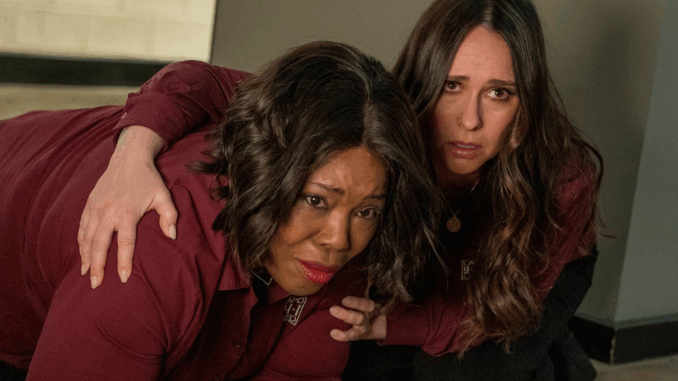
The divisive Season 9 premiere of 9-1-1 has concluded, but it also highlights the ABC procedural’s biggest challenge. Ever since Peter Krause’s Bobby Nash became the show’s most tragic death in Season 8, the firefighter drama has been at a crossroads. Losing its beloved Station 118 captain forced the series to evolve — but not so much that it strayed from its core first-responder formula.
As a result, opinions were divided ahead of Season 9 about how the show should move forward post-Bobby Nash. Unfortunately, the season began with missteps, from a whale-swallowing accident to a three-part space saga, signaling a shaky start. Yet the deeper problem may lie in the franchise’s DNA itself — 9-1-1 has a long and complicated history of season premieres that fail to land.
9-1-1’s Opening Emergencies: A Franchise Signature
One of 9-1-1’s defining traits has always been its dramatic season premieres — spectacles that either thrill or bewilder viewers. This tradition dates back to Season 2. While the premiere focused on introducing now-mainstays Jennifer Love Hewitt (Maddie Han) and Ryan Guzman (Eddie Diaz), Episode 2 launched a massive earthquake with effects that carried into the following episode.
Since then, every season has opened with a major disaster or flashy emergency, often masking the story’s “true” first conflict. Season 3 featured the iconic three-part tsunami arc, including Evan “Buck” Buckley’s (Oliver Stark) harrowing near-death experience. Season 4 began with the Hollywood Reservoir dam breaking, triggering a dangerous mudslide.
Season 5 shifted slightly, opening with a ransomware attack causing a city-wide blackout, tied to Athena Grant’s (Angela Bassett) storyline involving a kidnapped son. Season 6 kicked off with a lackluster blimp crash, but its real focus was Athena’s two-part cold case in Florida.
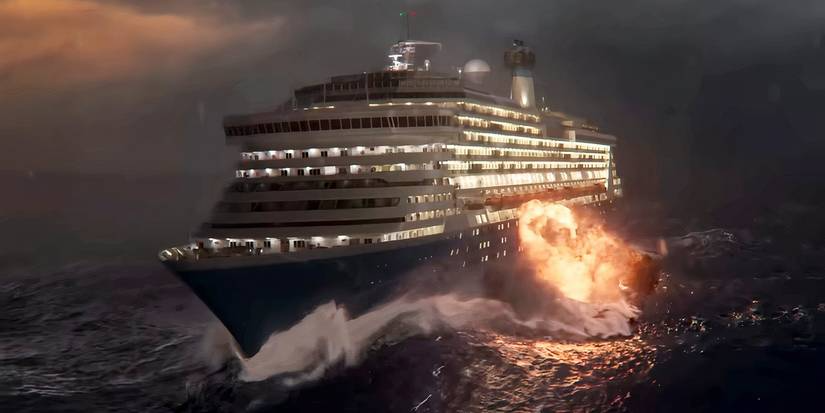
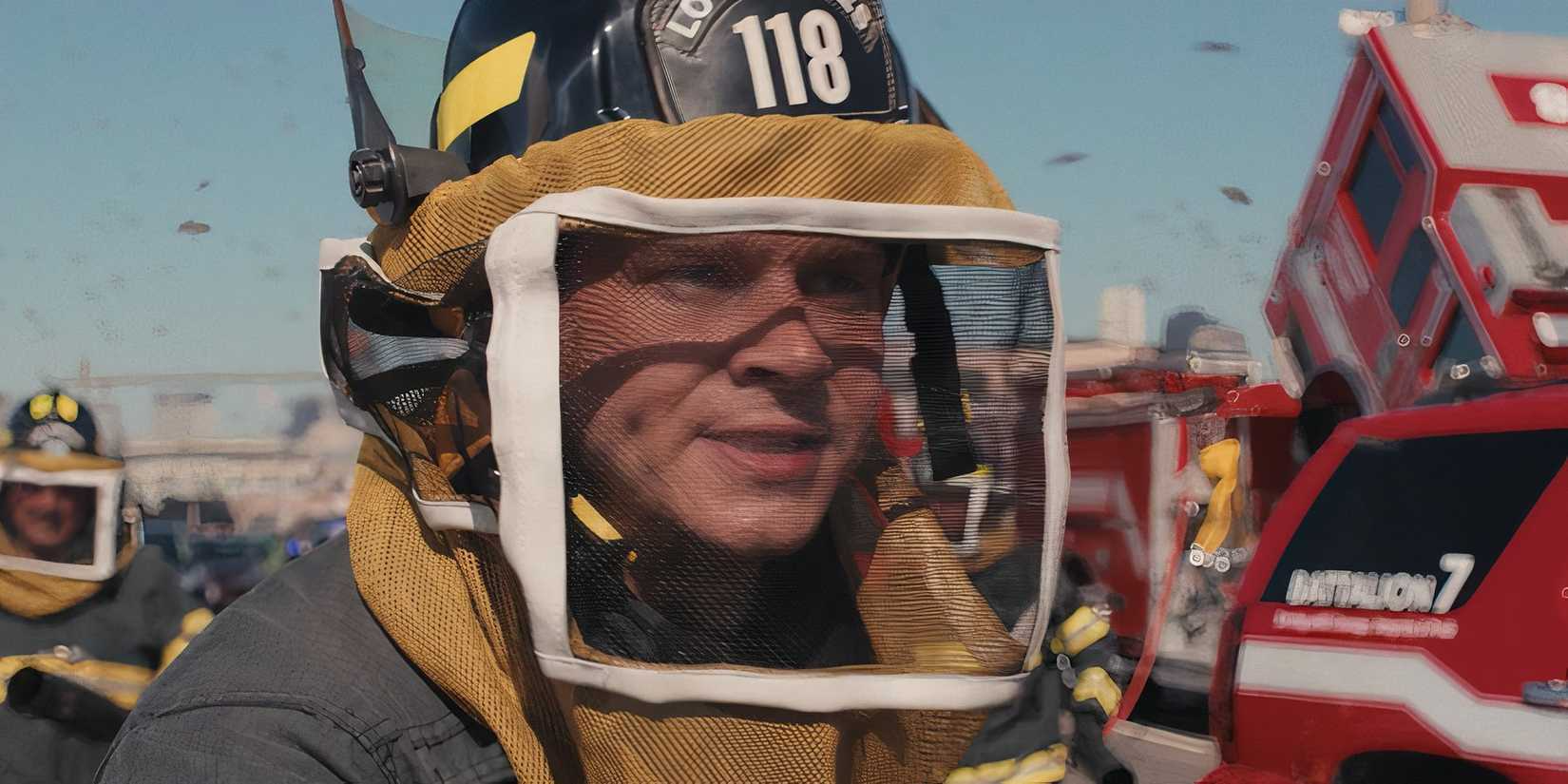
Yet despite one of its strongest episodes in Season 6, Season 7 returned to spectacle with a three-episode cruise ship disaster. Season 8 opened with a bizarre bee tornado that led to Athena crash-landing a plane. And now, Season 9 begins with a whale-swallowing incident that sets the stage for Athena and Hen Wilson’s (Aisha Hinds) out-of-this-world “lost in space” saga.
Why 9-1-1’s Opening Emergencies Stopped Working
Originally, 9-1-1’s high-octane season premieres helped generate buzz and attract new viewers. The series also sprinkled dramatic moments throughout the season, often building toward multi-episode storylines like Maddie’s kidnapping in Season 2 or Jonah’s (Bryce Durfee) terror spree in Season 5. But over time, the opening disasters have lost their impact.
While over-the-top emergencies have always been part of the show, recent premieres feel like a competition to see which season can start with the most absurd spectacle — and get away with it. Instead of establishing meaningful storylines, these disasters now exist largely as flashy set pieces. Some highly promoted events even feel like clickbait. For instance, the “bee-nado” in Season 8 was advertised as a season-defining disaster, yet it accounted for only a few emergency calls, while most of the episode focused on Athena’s plane subplot. Like many previous opening emergencies, it was quickly forgotten and had little lasting effect on the plot.
Premiere events are supposed to set the tone for the season, but in 9-1-1, they often exist in isolation. Unlike Season 3’s tsunami, which had major consequences for Eddie and Buck’s relationship, most opening disasters fail to advance the story, develop characters, or reinforce the season’s themes.
Can 9-1-1 Save Its Opening Emergencies?

Despite the scientific impossibilities and over-the-top stakes, 9-1-1 has shown that opening emergencies can work if used correctly. Season 5’s ransomware blackout successfully tied a thrilling concept to character development, while Season 7’s cruise ship disaster is memorable — though for all the wrong reasons.
The heart of the show is its focus on first responders and their personal lives, and the opening emergencies are unnecessary unless they serve a higher purpose. Viewers are invested in the ensemble and their drama, which doesn’t require preposterous disasters or trips to space.
If ABC insists on keeping its signature move, 9-1-1 needs premieres that thematically match the rest of the season and enhance the characters’ journeys. While Athena’s space storyline in Season 9 might work as a metaphor for her grief on paper, the absurdity undermines any meaningful growth.
Ultimately, the show would benefit from moving away from the “opening disaster” trend. Season premieres should focus on character-driven stories, reserving massive natural or sci-fi emergencies for moments when they actually serve the narrative. 9-1-1 is dramatic enough on its own — without lasting consequences, opening emergencies are just overkill.