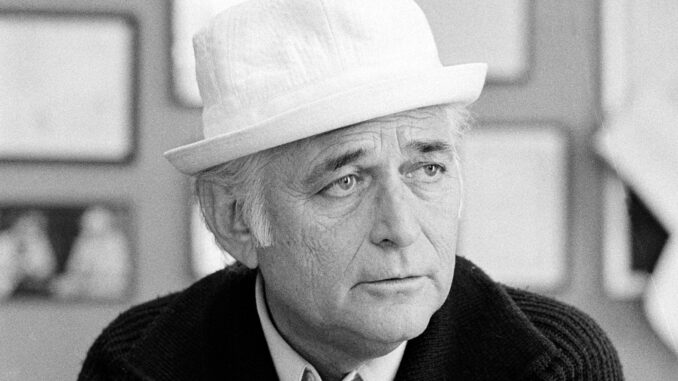
Norman Lear, the revolutionary producer and writer who reshaped American television through his groundbreaking sitcoms like All in the Family, The Jeffersons, Maude, and Good Times, has passed away at the age of 101. His death marks the end of an era — an era when television was not just about laughter but about reflecting the real world and forcing viewers to think.
Lear didn’t just entertain millions; he made them talk, argue, and reflect.
The Man Who Changed the Way America Watched TV
Before Norman Lear, sitcoms were mostly lighthearted — laugh tracks, family dinners, and neat resolutions. Then came All in the Family in 1971, a show that threw a mirror up to society. Archie Bunker, the lovable yet stubborn bigot, became a symbol of America’s conflicting values. Through humor and humanity, Lear tackled issues like racism, gender roles, and generational divides.
That was Lear’s genius: he made uncomfortable topics watchable, relatable, and even funny.
‘All in the Family’: The Show That Started It All
When All in the Family premiered, TV executives were nervous. Would viewers accept a show that challenged their beliefs? The answer was a resounding yes.
The show quickly became a cultural phenomenon. Archie and Edith Bunker, Mike “Meathead” Stivic, and Gloria were not just characters — they were America itself, arguing about the world around them.
Lear’s writing was raw, daring, and ahead of its time. The show didn’t lecture; it made you laugh first — and then made you think.
Spinoffs That Defined a Generation
Lear didn’t stop at All in the Family. His creative energy gave birth to an entire universe of shows:
-
Maude – A feminist powerhouse starring Bea Arthur.
-
The Jeffersons – A sharp, witty look at Black success and class mobility.
-
Good Times – A groundbreaking portrayal of a working-class Black family in Chicago.
-
Archie Bunker’s Place – The continuation of the All in the Family story.
This web of interconnected shows became known as the Learverse — proof of his unmatched storytelling power.
Breaking Barriers Through Comedy
Norman Lear believed that comedy could do more than make people laugh — it could make them see. He tackled taboo subjects like abortion, race relations, sexism, and politics when no one else dared to.
TV in the 1970s was a mirror of a divided America, and Lear used his platform to bridge understanding. He once said, “Laughter is my sword — against the cruelty of the world.” And indeed, it was.
A Legacy That Stretched Across Generations
Few creators have had the cultural impact that Norman Lear did. His shows not only redefined television but also paved the way for future storytellers like Shonda Rhimes, Tina Fey, and Kenya Barris.
Without Lear, modern TV as we know it — shows like The Office, Modern Family, or Black-ish — wouldn’t exist in the same way.
He didn’t just influence TV; he influenced how America talks about itself.
Norman Lear’s Early Life and Rise to Stardom
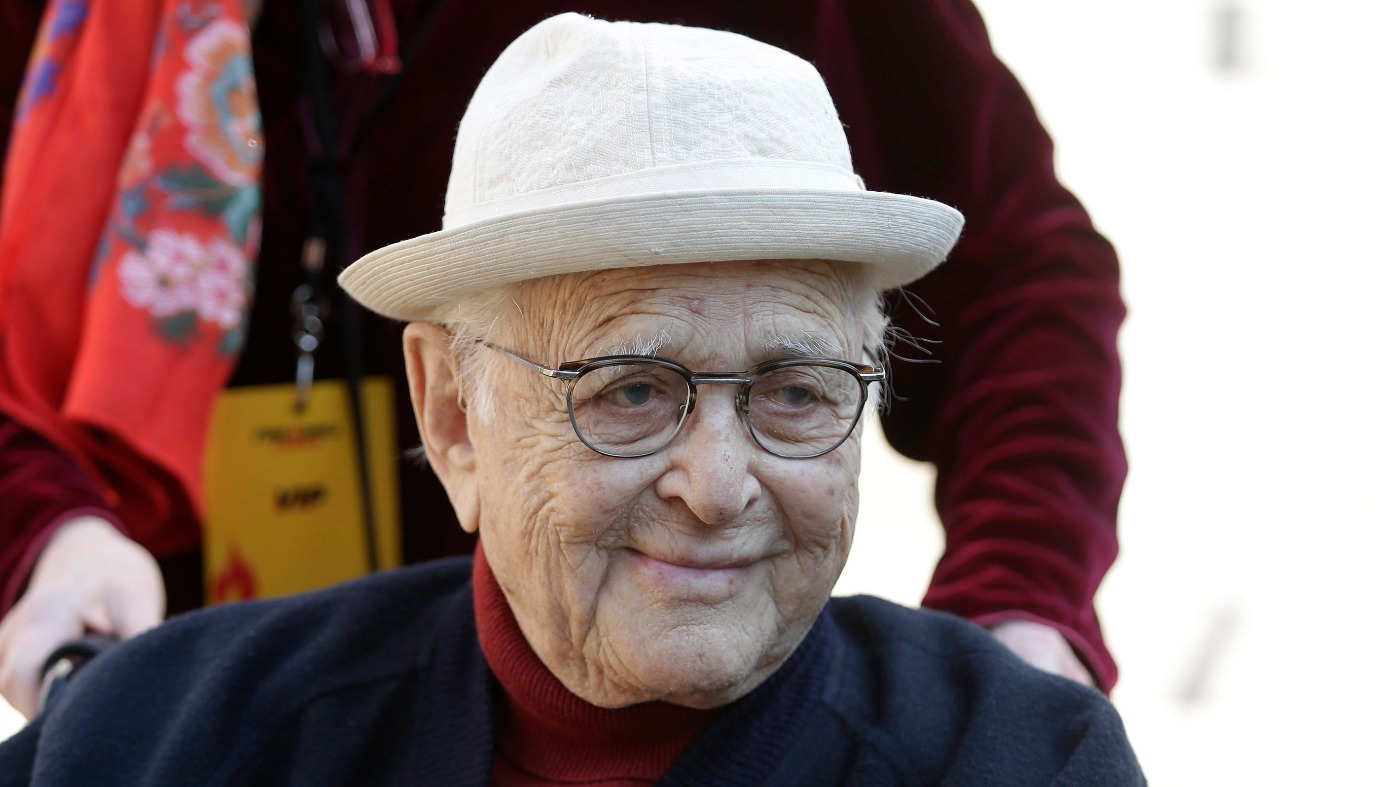
Born in 1922 in New Haven, Connecticut, Norman Lear grew up in a working-class Jewish family. His early years were marked by struggle, humor, and resilience — all qualities that later shaped his storytelling.
After serving in World War II, Lear pursued writing and comedy. He started as a gag writer for radio and moved to television, working on variety shows before striking gold with All in the Family.
Awards and Accolades Fit for a Legend
Lear’s list of awards is as long as his legacy:
-
6 Primetime Emmy Awards
-
The National Medal of Arts (awarded by President Clinton)
-
The Kennedy Center Honor
-
The Peabody Lifetime Achievement Award
Even in his later years, Lear continued creating, producing, and mentoring. His passion never dimmed.
Lear’s Social and Political Activism
Norman Lear wasn’t just a TV pioneer — he was a passionate advocate for social justice. In 1981, he founded People for the American Way, a nonprofit promoting constitutional freedoms and combating political extremism.
He used his fame not for self-promotion but to amplify others. Lear once said, “The American dream should belong to all of us — not just a few.”
The Heart Behind the Humor
While Lear was known for tackling big social issues, he was equally admired for his warmth, humor, and humility. Actors who worked with him often spoke of his kindness and ability to see humanity in everyone — even in the flawed characters he wrote.
Sally Struthers, who played Gloria Bunker, once recalled, “Norman gave me more than a career — he gave me purpose.”
A Personal Connection with His Characters
Lear often said that every character he created was, in some way, a piece of him. Archie represented the stubborn parts of human nature; Edith embodied compassion; Maude stood for boldness; and George Jefferson symbolized perseverance.
This emotional authenticity is why his shows still resonate today.
Continuing the Conversation
Even after his passing, Norman Lear’s influence lives on through modern reboots and tributes. The live ABC specials Live in Front of a Studio Audience: Norman Lear’s All in the Family and The Jeffersons brought his work to new generations — proof that his storytelling remains timeless.
Why Lear’s Work Still Matters Today
In today’s divided world, Lear’s shows feel more relevant than ever. They remind us that laughter can bridge differences, empathy can coexist with humor, and TV can be both entertaining and enlightening.
Norman Lear’s work wasn’t about preaching — it was about understanding. And that’s a lesson the world still needs.
The Final Curtain
Norman Lear passed peacefully, surrounded by family, leaving behind an irreplaceable legacy. He taught us that television could be smart, daring, and full of heart.
As the world mourns his loss, one thing is certain: his voice, wit, and courage will echo through screens for generations to come.
Conclusion
Norman Lear wasn’t just a TV producer — he was a cultural architect. His shows didn’t simply entertain; they educated. They sparked debates, changed perceptions, and reminded audiences that laughter can heal and unite.
At 101, he left the world just as he lived — with dignity, humor, and purpose. His characters may be fictional, but their impact is forever real.
Rest in peace, Norman Lear — the man who made America laugh, think, and grow.