TV Q&A: Why Did CBS Kill Off a Lead Character on ‘Fire Country’?
Introduction: A Bold Move by CBS
Television fans rarely forget when a show takes a dramatic turn by killing off a lead character. CBS made waves with Fire Country when they decided to write out one of the central figures, sending shockwaves through the fanbase. But why did the network take such a bold and controversial step?
In this article, we’ll dive deep into CBS’ reasoning, the creative and practical factors behind the decision, and what it means for the future of Fire Country.
The Lead Character in Question
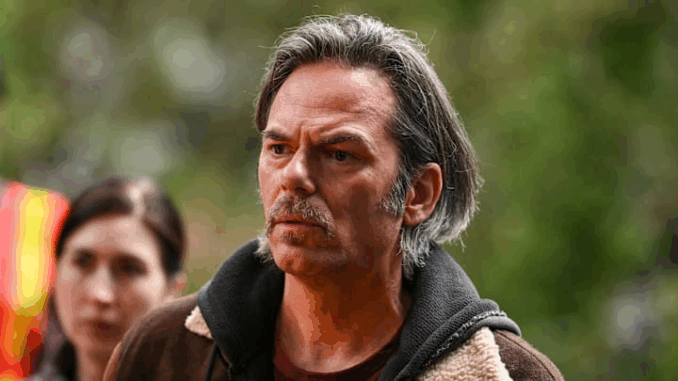
The character in focus is Vince, portrayed by the talented Billy Burke. As a core figure in the show, Vince provided emotional depth, leadership, and tension that kept audiences invested. His presence shaped the dynamics among firefighters, friends, and families on screen, making the exit all the more dramatic.
CBS’ Perspective on Character Exits
Why Networks Make Tough Calls
Television networks like CBS often have to make decisions balancing storytelling, ratings, and actor availability. A lead character’s exit can be driven by several factors, including:
-
Contract negotiations
-
Creative shifts in storyline
-
Audience engagement strategies
-
Actor availability and personal choices
In Fire Country, it appears that multiple factors intersected, culminating in Vince’s shocking departure.
Creative Storytelling: Elevating the Drama
One of the primary motivations for killing off Vince was to heighten drama. Television thrives on high-stakes storytelling, and a lead character’s death can:
-
Create emotional resonance
-
Increase tension among remaining characters
-
Set the stage for new plotlines
-
Engage viewers with unexpected twists
CBS leveraged Vince’s exit to refresh the narrative while giving audiences a story they wouldn’t see coming.
Actor Decisions and Career Moves
Billy Burke’s career trajectory also played a crucial role. Actors of his caliber often seek new opportunities, projects, or personal time away from demanding shooting schedules. Burke’s desire for flexibility and exploration outside the show may have influenced CBS’ decision to close his storyline definitively.
Balancing Actor and Network Needs
It’s a delicate balance: networks must respect an actor’s choices while protecting the integrity of the show. In Vince’s case, CBS crafted a narrative exit that honored both the character and the performer’s career path.
Audience Reactions to the Exit
Fans were quick to react, flooding social media with emotions ranging from shock to outrage. Vince’s death wasn’t just a plot point; it was a seismic event for the Fire Country community.
Memorable Fan Responses
Some viewers expressed heartbreak at losing a favorite character, while others praised the show for taking a daring narrative leap. The response illustrates how strongly audiences connect with lead characters in serialized storytelling.
Impact on Remaining Characters
Vince’s absence shifts dynamics among the remaining cast:
-
Emotional arcs for teammates deepen as they navigate grief
-
Leadership roles and responsibilities are redistributed
-
New interpersonal tensions arise, fueling future plotlines
This character departure allows writers to explore untapped emotional territory, creating fresh opportunities for development.
Behind the Scenes: Production Challenges
Producing a series like Fire Country is complex. Coordinating schedules, managing contracts, and adapting scripts for a lead character’s sudden departure is no small feat. CBS had to:
-
Rewrite scenes to account for Vince’s absence
-
Rebalance narrative arcs
-
Ensure continuity and maintain dramatic tension
These logistical challenges highlight why networks plan such exits carefully.
Why Networks Kill Characters: A Broader View
Killing a lead character is never done lightly. Networks often weigh:
-
Story longevity versus shock value
-
Audience retention versus emotional backlash
-
Actor satisfaction versus narrative cohesion
CBS’ decision aligns with these industry standards, though it’s particularly striking due to Vince’s central role.
Comparisons with Other Shows
Many hit shows have navigated similar exits:
-
Grey’s Anatomy: multiple lead departures to refresh drama
-
The Walking Dead: shocking character deaths to maintain tension
-
Fire Country: Vince’s death follows this pattern of high-impact storytelling
Such moves can rejuvenate a series if executed thoughtfully.
Speculation About Future Seasons
Fans are already theorizing about what’s next for Fire Country. Questions abound:
-
Who will step up as the new central figure?
-
Will there be guest appearances from Vince in flashbacks or special episodes?
-
How will the team cope with the loss emotionally and operationally?
CBS is likely using this exit to pave the way for new storylines that will keep audiences engaged.
Diane Farr and Cast Reactions
Cast members, including Diane Farr, have shared candid insights about learning of Burke’s departure. Reports describe moments of surprise, emotional conversations, and mutual support among the cast. This reaction emphasizes how much Vince’s character meant to those on set.
Why Fans Should Embrace Change
While heartbreaking, character departures can breathe new life into a series:
-
Fresh plotlines challenge remaining characters
-
Audience engagement increases due to unpredictability
-
New talent may join the show, introducing fresh dynamics
Understanding this perspective helps fans see Vince’s death as a narrative opportunity rather than just a loss.
The Legacy of Vince in Fire Country
Vince leaves an indelible mark on Fire Country. His leadership, moral compass, and emotional depth shaped the show’s identity. The writers honored his contribution by giving him a meaningful exit that resonates with viewers and characters alike.
Lessons for TV Viewers and Fans
Vince’s death provides insight into how the entertainment industry balances:
-
Narrative creativity and realism
-
Actor needs and network demands
-
Audience expectation and storytelling risks
It’s a reminder that television is a living, evolving medium where change, while difficult, can lead to growth and excitement.
Conclusion
CBS’ decision to kill off a lead character on Fire Country was influenced by a mix of creative, practical, and personal factors. While Vince’s death shocked and saddened fans, it also opened the door for new storylines, emotional growth, and fresh character dynamics. The legacy of Billy Burke’s performance will continue to resonate, proving that bold storytelling decisions, when executed thoughtfully, can elevate a series to new heights.
FAQs
1. Why did CBS kill off a lead character on Fire Country?
CBS combined narrative needs, actor availability, and creative storytelling to write out the character.
2. Was Billy Burke’s departure voluntary?
Yes, Burke’s personal and professional decisions played a role, though CBS crafted a dramatic exit to maintain narrative impact.
3. How did the cast react to Vince’s death?
The cast experienced shock, grief, and reflection, emphasizing the character’s importance on set.
4. What impact will Vince’s death have on future seasons?
The series will explore new story arcs, character growth, and emotional challenges resulting from his absence.
5. Can Vince return in any form?
While unlikely as a regular character, flashbacks or guest appearances could bring Vince back in special episodes.