A Shocking Behind-the-Scenes Revelation
Hollywood glitters on the surface, but behind the bright lights, not everything is picture-perfect. Recently, Jaleel White revealed a deeply personal and uncomfortable moment from his time on the iconic sitcom Family Matters. The actor, best known for playing Steve Urkel, shared that network executives once instructed him to wear looser jeans to hide a visible “bulge” on camera.
Sounds unreal, right? Yet, this candid confession has reopened long-standing conversations about body image, workplace boundaries, and the pressures placed on young actors in the entertainment industry.
Let’s unpack what really happened, why it matters, and what it tells us about Hollywood—then and now.
Who Is Jaleel White? A Quick Look at the Man Behind Steve Urkel
Before he became a household name, Jaleel White was just a talented kid with big dreams. Born in California, he landed his breakout role as the awkward, lovable genius Steve Urkel in Family Matters at a very young age.
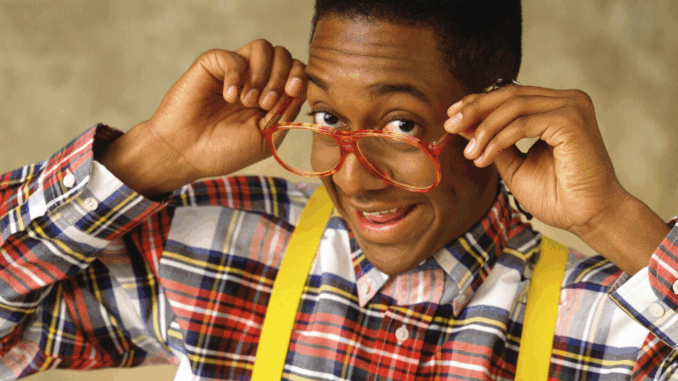
What started as a minor guest role quickly turned into one of the most iconic characters in American TV history. Urkel’s suspenders, high-pitched voice, and catchphrase—“Did I do that?”—became cultural staples throughout the 1990s.
However, fame at an early age often comes at a cost.
Family Matters: A Cultural Phenomenon of the 90s
Premiering in 1989, Family Matters quickly became a cornerstone of family-friendly television. The sitcom explored everyday life through humor, warmth, and relatable family dynamics. While the show originally focused on the Winslow family, Urkel’s popularity eventually reshaped the entire series.
At the height of its success, Family Matters was must-watch television, drawing millions of viewers each week and generating massive merchandising and syndication deals.
But behind the wholesome image, the pressures were very real.
The Jeans Controversy: What Jaleel White Was Told
During a recent interview, Jaleel White disclosed that network executives were concerned about how his body appeared on camera. Specifically, they reportedly told him to wear looser jeans to conceal a noticeable “bulge.”
For a young actor in a family-oriented sitcom, the concern wasn’t just about wardrobe—it was about image control, optics, and network-wide standards of “appropriateness.”
While it may sound minor on the surface, the emotional weight of such a directive is anything but small.
Body Image Pressures on Young Male Actors
When we talk about body shaming in Hollywood, the focus typically lands on women. However, male actors, especially young ones, face intense scrutiny as well.
White’s experience highlights a rarely discussed side of the industry—how even natural body development can become a professional “problem.” Executives often prioritize optics over personal dignity, leaving young performers feeling exposed, embarrassed, or powerless.
Imagine being a teenager and having adults scrutinize your body for broadcast standards. It’s a lot to carry.
Why Network Executives Care So Much About Appearance
Television executives operate in a world ruled by advertisers, ratings, and public perception. In the 1990s, family sitcoms were held to strict standards of decency. Anything perceived as sexually suggestive—even unintentionally—was seen as a risk.
For a show marketed to families and children, even a wardrobe outline could become a “problem.” The directive to wear looser jeans was about maintaining the “wholesome” brand of Family Matters, regardless of how it affected the actor.
The Psychological Impact of Being Policed on Set
Being told to change your clothing to hide your body can leave lasting emotional scars. For young performers, it can distort self-image and create long-term insecurities.
White later admitted that experiences like this made him hyper-aware of how he looked on camera. That kind of constant self-monitoring takes a mental toll. When your body becomes a topic of executive meetings, it’s hard not to internalize the shame.
Hollywood in the 90s: A Very Different Industry
The entertainment industry of the 1990s operated under very different cultural standards. There were fewer protections for young actors, limited conversations around mental health, and almost no public accountability for executive behavior.
On-set wellness coordinators were rare. Social media didn’t exist. If something uncomfortable happened, it usually stayed behind closed doors.
Today, White’s story resonates so deeply because the industry is finally beginning to reckon with its past.
Public Reaction to Jaleel White’s Revelation
Once the story went public, fans responded with a mix of shock, sympathy, and anger. Many expressed sadness that a beloved childhood star had to deal with such invasive scrutiny.
Others pointed out how normalized this type of body policing once was—and, in some cases, still is. The conversation quickly expanded beyond White to include broader industry practices.
Double Standards in Television Wardrobe Rules
One of the most controversial aspects of this story is the double standard. Female actors have long been subjected to wardrobe controls, but male actors often face similar pressures that go unnoticed.
What makes White’s experience particularly unsettling is that it occurred in a show aimed at families. It shows how deeply image control is embedded in television production—even in places we least expect it.
From Sitcom Star to Industry Survivor
After Family Matters ended, White faced the challenge of breaking free from the shadow of Steve Urkel. Like many child stars, he struggled with typecasting.
Yet, he rebuilt his career through voice acting, film projects, and hosting gigs. Today, he’s widely respected not only for his talent but also for his honesty in discussing the realities of early fame.
Why Stories Like This Are Finally Coming Out
The rise of social media and podcast culture has given celebrities platforms to tell their own stories—uncensored. No longer filtered by studios or publicists, these narratives reveal the human cost of fame.
White’s willingness to speak openly reflects a broader cultural shift. People are demanding transparency, accountability, and humane working conditions in entertainment.
The Role of Power Imbalances on TV Sets
At the heart of this story is a classic power imbalance: young actor versus network executives. When your career depends on pleasing people in high positions, saying “no” feels impossible.
That imbalance often silences discomfort and enables questionable behavior to continue unchecked. White’s experience is a clear example of how authority can override personal boundaries.
How the Industry Is Slowly Changing
The modern entertainment industry is far from perfect, but there have been important improvements. Child labor laws are stricter, intimacy coordinators are more common, and conversations around consent and dignity are becoming standard practice.
While wardrobe policing still exists, it’s increasingly challenged. Stories like White’s push the industry toward greater transparency and reform.
Why Jaleel White’s Story Matters Today
This isn’t just a celebrity anecdote—it’s a mirror reflecting how society treats bodies, privacy, and power. White’s story resonates because it exposes how easily personal boundaries can be crossed in the name of “professionalism.”
It also reminds us that behind every beloved TV character is a real human being navigating pressures we rarely see.
Lessons for Young Performers and Parents
For aspiring actors and their families, White’s experience serves as both a warning and a guide. Understanding contracts, knowing your rights, and having strong advocates on set are crucial.
Parents and guardians must remain vigilant—not just about physical safety, but emotional well-being too.
The Long Shadow of Childhood Fame
Childhood fame leaves a lasting imprint. Even years later, the memories—good and bad—shape identity, confidence, and relationships. White’s ability to speak about his experience with clarity and maturity shows remarkable personal growth.
Not every child star gets that chance.
Conclusion: A Candid Truth From a Beloved TV Icon
Jaleel White’s revelation about being told to wear looser jeans to hide a “bulge” may sound like a small behind-the-scenes detail, but it symbolizes something far bigger. It exposes the silent pressures young actors endure, the rigid control of network image culture, and the emotional cost of early fame.
What makes this story powerful is not just the discomfort—it’s the honesty. By speaking out, White has added his voice to a growing movement demanding dignity, respect, and humanity in the entertainment industry.
And maybe, just maybe, future generations of child stars won’t have to carry the same invisible weight.
FAQs
1. Why was Jaleel White told to wear looser jeans on Family Matters?
He revealed that network executives were concerned about how his body appeared on camera and wanted to maintain a “family-friendly” image for the show.
2. How old was Jaleel White during Family Matters?
White began playing Steve Urkel as a teenager and remained on the show throughout his formative years.
3. Did this wardrobe incident affect his career?
While it didn’t directly end his career, it contributed to the emotional and psychological pressures he faced as a young star.
4. Is body policing still common in Hollywood today?
It still exists, but there is greater awareness, advocacy, and institutional protection than in the 1990s.
5. What is Jaleel White doing now?
He continues to act, voice characters, host shows, and speak openly about his experiences in the entertainment industry.