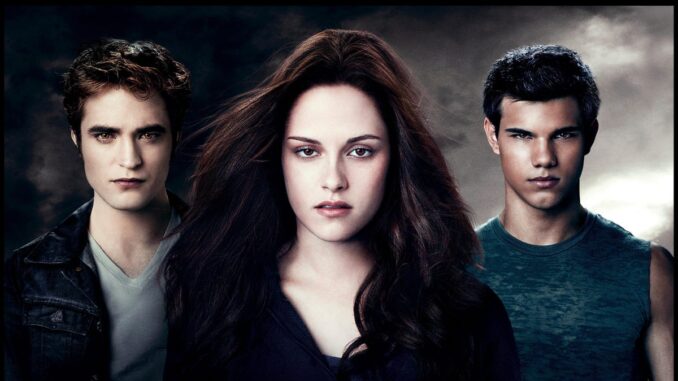
Bella Is Back, But Not As You Think: A Digital Resurrection
The name “Bella” once conjured images of innocent charm, sparkling eyes, and a fairytale romance fraught with danger. Twilight’s Bella Swan, played by Kristen Stewart, became a cultural icon, for better or worse. But Bella is back, not in another film adaptation or sequel, but in a far more unsettling and perhaps, more pertinent form: Bella as an AI chatbot, a digital resurrection of a beloved character living, breathing (well, coding) within the ever-expanding digital landscape.
This isn’t just about fan fiction elevated to interactive form. This new “Bella” is a complex amalgamation of scraped dialogue, character studies, and AI learning. It’s an attempt to capture the essence of a fictional persona and translate it into a conversational entity. Imagine interacting with a program that can react with Bella’s signature shyness, express her unwavering loyalty to Edward, or even awkwardly navigate a social interaction as only she could. This digital Bella, fueled by algorithms and trained on the textual fabric of the Twilight universe, is a stark example of how technology is blurring the lines between fiction and reality, challenging our understanding of authorship, identity, and even grief.
The allure is undeniable. For die-hard fans, the opportunity to interact with a semblance of their beloved character is intoxicating. They can ask Bella about her anxieties, seek her opinion on life choices, or simply relive moments from the books through customized scenarios. The emotional connection to the original character is a powerful motivator, transforming the chatbot into more than just lines of code. It becomes a virtual companion, a digital echo of a world they deeply cherish.
However, this digital resurrection raises some deeply uncomfortable questions. Firstly, there’s the issue of authenticity. Can an algorithm truly capture the nuances of a fictional character? Can it replicate the subtle gestures, unspoken thoughts, and intrinsic contradictions that make a character feel real? The answer is likely no. This AI Bella, no matter how sophisticated, is ultimately a mimicry, a carefully constructed simulacrum built upon the data left behind. It lacks the human spark, the lived experience, and the inherent messiness that shapes a genuine personality.
Furthermore, the ethical considerations are significant. Who owns the rights to Bella? Is it Stephenie Meyer, the original author? Is it the actors who portrayed her? Or is it now the creators of the AI, who are essentially building a business model around a borrowed identity? The lines are murky, and the potential for exploitation is real. Imagine the chatbot being used for commercial purposes, endorsing products or engaging in marketing campaigns under the guise of Bella Swan. The blurring of fact and fiction could lead to misleading consumers and ultimately devaluing the original character.
Perhaps the most unsettling aspect of this digital resurrection is its potential to stifle creativity and genuine human connection. Why write fan fiction or engage in passionate debate when you can simply have a simulated conversation with the character itself? This could lead to a decline in original interpretations and a reliance on a pre-packaged, algorithmic version of a beloved story. Instead of sparking imagination, the AI Bella could become a substitute for it, a digital pacifier that lulls us into a passive consumption of recycled narratives.
Ultimately, the rise of AI-powered fictional characters like Bella is a sign of our times. We are living in an age where technology can replicate, simulate, and even seemingly resurrect fragments of our past. This digital resurrection of Bella Swan is not just a novelty; it’s a mirror reflecting our complex relationship with technology, our yearning for connection, and our evolving understanding of what it means to be human in an increasingly digital world. It forces us to ask: is bringing back Bella through code a tribute to her enduring legacy, or a hollow echo that ultimately diminishes the magic of the original story? The answer, like Bella herself, is complex, contradictory, and perhaps, a little bit dangerous. The digital Bella is back, but not as we think. She’s back as a cautionary tale, a reminder that even in the age of artificial intelligence, true creation, authentic expression, and genuine human connection remain irreplaceable.