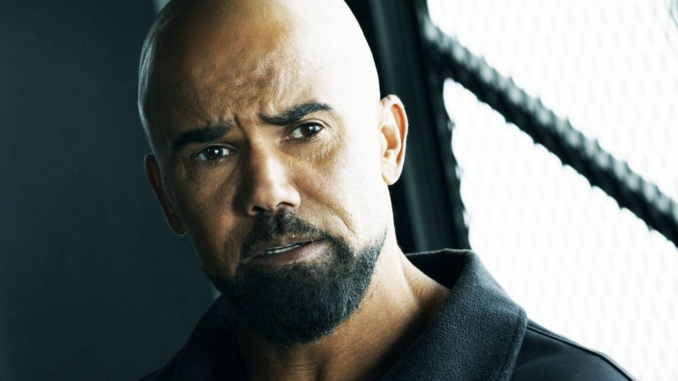
Why S.W.A.T. Was Canceled After 8 Seasons — Although Shemar Moore’s Hondo Spinoff Is Happening
The announcement came like a gut punch — after eight seasons, one of TV’s most reliable police dramas, S.W.A.T., has been cancelled. And yet, just as fans were preparing to say their final goodbyes, a spinoff featuring Shemar Moore’s iconic character “Hondo” — S.W.A.T. Exiles — was revealed. How does a show with strong viewership end, while a new series gets greenlit?
Here’s the full story: the real reasons behind the cancellation, the business decisions that overruled popularity, and what the spinoff means for the future of the franchise.
S.W.A.T.’s Surprising Final Curtain — What Went Wrong
Ratings Were Still Strong — So Why Cancel a Hit Show?
You might think a show ends because its popularity fades. Not in this case. According to sources, S.W.A.T. consistently pulled in around 8 million viewers per episode — solid numbers by any standard.
But despite the numbers, the show was cut loose in March 2025. The reason? Not the audience — but business logistics.
The Economics of TV — Licensing Fees, Production Costs, and Studio Overheads
From the outside, S.W.A.T. looked stable. But behind the scenes, the production and licensing arrangement between CBS and Sony Pictures Television hung by a financial thread.
As long as the show ran, each season renewal required renegotiated licensing fees. For Season 6, those fee negotiations collapsed — leading to the first cancellation in 2023.
Even after a temporary reprieve, the financial strain proved too heavy by 2025. Studio accountants chose cost-cutting over continuity.
Cancel — Uncancel — Cancel Again: The Roller Coaster Ride of S.W.A.T.
S.W.A.T.’s final years were like a suspense thriller behind-the-scenes. First canceled after Season 6, then revived for Season 7 after fan outcry — only to get renewed again for Season 8 in 2024.
Yet, by March 2025 the decision came: no Season 9. No more negotiations. The showrunner called the cancellation “heartbreaking.”
Even for a long-running hit, the financial logistics finally won.
Why the Spinoff — and Why It Matters for Hondo (and Sony’s Wallet)
Enter S.W.A.T. Exiles — The Spinoff That Saved Hondo’s Story
Just days after cancelling S.W.A.T., Sony announced the new spinoff: S.W.A.T. Exiles, starring Shemar Moore returning as Hondo.
The premise: after a botched mission, Hondo leads a new “last-chance” unit made up of untested recruits. It’s “same quarterback, new team.”
This pivot offers Sony a way to keep the brand alive — potentially at lower cost, fewer legacy actors, and a leaner production.
Lower Costs, More Flexibility — Why Spinoffs Make More Business Sense
Every long-running show accrues costs over time. Cast salaries rise. Crew commitments stack up. Legacy contracts demand bigger payouts.
By rebooting with mostly new cast members around a single lead, Sony resets the financial clock. With a smaller team, production becomes cheaper — and profit margins improve.
It’s a classic Hollywood move: full throttle when success is guaranteed, then streamline when overhead becomes heavy.
How Hondo’s Spinoff Could Rescue the Franchise Without the Danger of Burnout
Fresh Storylines — Clean Slate, New Energy
S.W.A.T. Exiles isn’t just a continuation — it’s a reinvention. A “new generation” unit under Hondo’s leadership allows for fresh conflicts, new faces, and modern themes. That could draw younger viewers while still keeping longtime fans invested.
Expect generational clashes, modern policing challenges, and character-driven drama — all under Hondo’s protective but tested leadership.
Leaner Cast Means Leaner Production — More Episodes, Lower Pressure
Instead of juggling a large ensemble cast, the show can focus on a core team. That reduces scheduling conflicts, lowers per-episode costs, and simplifies negotiations.
Shorter seasons (the spinoff’s first order: 10 episodes) make it easier to manage budgets and test the waters — a safer bet than committing to another long multi-season run.
The Human Side — Cast, Crew & Fans React to the Change
Original Cast Members Felt “Brushed Aside” by the Spinoff Decision
Not everyone was thrilled. Some original cast members felt hurt and sidelined. One actor publicly said the spinoff rollout “stung,” calling the move dismissive of the people who helped build the show from day one.
For many, spinning off the show around a single lead risked erasing years of relationships, dynamics, and narrative investment.
Fans Are Torn — Loyal But Wary of What’s Coming Next
On one hand, many fans appreciate the chance to see Hondo return. On the other, there’s worry the show will lose its heart — the broader “team” feel that made it special.
Some worry the spinoff could become a one-man show, missing the ensemble energy that gave the original weight and variety.
What Actually Happened? Timeline of Cancellation & Spinoff Announcement
| Date | Event |
|---|---|
| May 2023 | CBS cancels S.W.A.T. after Season 6 — due to licensing fee disputes. |
| Shortly after | Network reverses cancellation; Season 7 gets greenlit (shorter episode count). |
| April 2024 | Surprise renewal — S.W.A.T. Season 8 ordered. |
| March 6, 2025 | Final cancellation announced after eight seasons. |
| May 2025 | Sony announces spinoff S.W.A.T. Exiles with Shemar Moore returning as Hondo. |
So while the original show ended, the brand and its central hero live on — in a leaner, recalibrated format.
What the S.W.A.T. Cancellation & Hondo Spinoff Means for the Future of Police Dramas
Studios Will Prioritize Spinoffs Over Long, Expensive Runs
Long-running procedural dramas may become less common. Instead, expect more spinoffs and leaner reboots — lower cost, reduced risk, and the chance to refresh with new energy.
The tradeoff? They may lack the depth of a long ensemble show. But in a streaming-driven landscape, spinoffs offer flexibility studios love.
Streaming and Syndication Could Still Extend S.W.A.T.’s Lifespan
Although CBS ended the series, streaming platforms (like Netflix or Paramount+) may keep license deals going. That keeps reruns alive — and could help the brand stay relevant while Exiles launches.
So even if the “official” series ends, S.W.A.T. may continue living in reruns, syndication, and the memories of fans.
Conclusion
S.W.A.T.’s cancellation after eight seasons wasn’t about poor storytelling, fading ratings, or lack of fan loyalty. It was a business decision — driven by licensing costs, production economics, and shifting priorities.
What many see as the end might actually be a new beginning. With S.W.A.T. Exiles, Sony has found a way to keep the brand alive — focusing on Hondo, resetting costs, and building a leaner, more flexible show.
For fans, that’s bittersweet. We lose the broader squad, but we get a chance to keep Hondo’s story alive. If the spinoff balances action, character heart, and fresh energy — it might just prove that endings in Hollywood can mean transformations, not finales.
FAQs
1. If S.W.A.T. had good ratings, why was it canceled?
Because licensing fees and production costs became too high. Despite strong viewership, the economics between CBS and Sony didn’t align.
2. What is S.W.A.T. Exiles and how is it different?
S.W.A.T. Exiles is a spinoff featuring Shemar Moore’s Hondo leading a new squad of inexperienced recruits. It aims for a leaner cast, shorter seasons, and fresh storylines.
3. Are original S.W.A.T. cast members coming back in the spinoff?
So far, Hondo is the only confirmed return. Some original characters may guest-star, but most of the cast will be new.
4. Does the spinoff guarantee a better show for fans?
Not necessarily. A spinoff reduces costs and risks — but whether it captures the heart of the original depends on writing, tone, and chemistry among new cast members.
5. Can S.W.A.T. still come back after Exiles?
It’s unlikely. With the spinoff underway, the original show’s run feels over. That said, if Exiles succeeds, the franchise could expand further — but not in its original form.