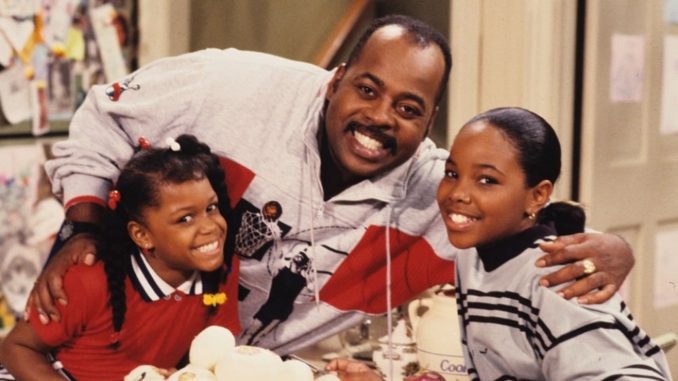
When viewers think of Family Matters, they picture wholesome family moments, sitcom humor, and the unstoppable rise of Steve Urkel. But behind the laughter and nostalgic glow, one cast member experienced an abrupt and painful departure that left fans scratching their heads.
Jaimee Foxworth—known for playing Judy Winslow, the youngest daughter—vanished from the show without explanation. No goodbye scene. No farewell episode. One minute she was there, the next she was gone.
Years later, Jaimee finally opened up about her exit, revealing raw emotions behind the decision and explaining how it shaped her life long after the cameras stopped rolling. Her words—especially the heartbreaking sentiment, “They didn’t want me there”—echo the lived experience of a child star who felt pushed out of the family she grew up with on screen.
This is the deeper, human-centered story of her disappearance, her struggles, and her path to healing.
The Early Days: Jaimee Foxworth’s Rise as Judy Winslow
A Young Talent With Big Promise
Before she became a household name, Jaimee had already built a solid career in modeling and commercials. Her confidence and natural charm made her an obvious choice for Family Matters.
Becoming Part of the Winslow Family
At just nine years old, she stepped into the role of Judy Winslow—the curious, sweet youngest daughter. Her character added innocence and authenticity to the Winslow home.
The Abrupt Disappearance Fans Still Talk About
No On-Screen Explanation, No Closure
The moment that confused viewers for decades? Judy simply walked upstairs… and never came back down. There was no storyline addressing her absence. She was erased from the show so quietly that many viewers assumed they missed an episode.
The Shift in Show Dynamics
As the show leaned into comedy centered around Steve Urkel, the narrative focus shifted. New characters were added; others faded into the background.
And unfortunately, Judy Winslow’s character was one of them.
Why Was Judy Written Out of the Show?
Budget Changes and Creative Redirection
Public accounts from industry insiders reveal that cost-cutting and shifting story priorities played a major role. The producers streamlined the cast, and Judy’s character was considered “non-essential” to the evolving plot.
The Rise of Urkel
As Urkel’s popularity soared, the show increasingly revolved around his comedic storylines. That meant less focus on the Winslow children—and eventually, the removal of one.
Jaimee Foxworth’s Painful Reflection: “They Didn’t Want Me There”
What She Said in Later Interviews
In public interviews years after her exit, Jaimee expressed how hurt she felt. Being written out at such a young age left her confused and rejected.
She described the emotional sting of realizing she wasn’t wanted, saying in one interview that it felt like “they didn’t want me there.”
Understanding a Child Star’s Experience
For an adult, job loss is stressful. For a child, it’s devastating. She didn’t just lose a job—she lost a community, a routine, and a sense of belonging.
The Silence Added to the Pain
No one prepared her for the exit. She wasn’t given closure, explanation, or space to process the sudden absence of the world she grew up in.
Life After Family Matters: A Downward Spiral
Financial Strain and Family Pressure
With the show gone, the consistent income disappeared too. The responsibility to contribute financially to her household weighed heavily on Jaimee, even as a teenager.
Struggling With Identity
When you grow up on camera and it suddenly stops, you’re left asking: Who am I without this?
Jaimee grappled with that question for years.
Turning to Coping Mechanisms
Her emotional wounds, confusion, and lack of support led her down a darker path. Like many former child actors, she faced challenges that spiraled into long-term struggles.
Her Entry Into the Adult Industry: A Decision Made in Desperation
A Choice Born From Financial Hardship
Jaimee later revealed that money troubles pushed her toward the adult industry. She felt cornered and had few opportunities.
Looking for Control in a World That Took It Away
After losing autonomy as a child actor, she believed—at least at the time—that entering the adult industry would give her some control over her life.
The Aftermath: More Pain Than Power
Though it provided quick money, it also brought emotional consequences she hadn’t anticipated.
How Fame Left Its Mark on Her Mental Health
The Pressure of Being “The Girl Who Was Written Out”
Even years later, fans continued asking why Judy disappeared. Jaimee carried that stigma and unresolved rejection well into adulthood.
Feeling Forgotten and Replaced
Watching the show continue without her amplified the feeling that she wasn’t valued. It deepened her struggles with self-esteem.
A Turning Point: The Start of Her Healing Journey
Reclaiming Her Life Through Sobriety
Eventually, she reached a breaking point—one that led her toward therapy, rehab, and rebuilding.
Her Appearance on Oprah’s “Where Are They Now?”
On the show, she opened up honestly about her past. It became a pivotal moment of vulnerability and reflection.
Motherhood Brought Her Purpose
Having her son shifted her priorities. She wanted to build a life he could be proud of—and that motivation fueled her transformation.
How Jaimee Looks at Her Past Today
Not Shame—But Strength
She doesn’t hide her story. Instead, she uses it to speak truthfully about the pitfalls of child stardom.
Understanding That Decisions Don’t Define Her
Her journey includes mistakes, heartbreak, and hard lessons—but none of it defines who she is today.
Using Her Voice to Help Others
She now advocates for better protection and support for young performers.
Why Jaimee Foxworth’s Story Still Resonates
Because It Reflects a Larger Hollywood Issue
Child actors often face instability, parental pressure, and abrupt career changes. Jaimee’s story shines a light on the cost of fame when support systems fail.
Because Fans Still Care
The mystery of Judy Winslow never faded—and people genuinely want to understand what happened.
Because Jaimee Represents Resilience
Her ability to survive trauma, reclaim her life, and grow is what makes her story ultimately inspiring, not tragic.
Conclusion
Jaimee Foxworth’s painful exit from Family Matters wasn’t just a casting decision—it was a life-altering moment for a young girl who didn’t understand why she was being pushed aside. Her later admission—“They didn’t want me there”—reflects the emotional truth of her experience, not blame or bitterness.
Yet despite the rejection, hardship, and public scrutiny, Jaimee rose again. Her story is one of resilience, self-discovery, and strength. She teaches us that being written out of one chapter doesn’t mean you can’t rewrite the next one.
FAQs
1. Why was Jaimee Foxworth removed from Family Matters?
Budget and creative decisions led producers to write out the Judy Winslow character as the show shifted in a new direction.
2. Did Jaimee know she would be removed from the show?
No. She has said in interviews that she wasn’t given a clear explanation at the time.
3. Why did she say “They didn’t want me there”?
She used that phrase to describe the emotional impact of being written out so abruptly and without closure.
4. What challenges did she face after leaving the show?
She struggled with identity, financial stress, emotional turmoil, and eventually substance issues.
5. Where is Jaimee Foxworth today?
She lives a private life, focuses on motherhood, and uses her experience to advocate for child actors and mental health.