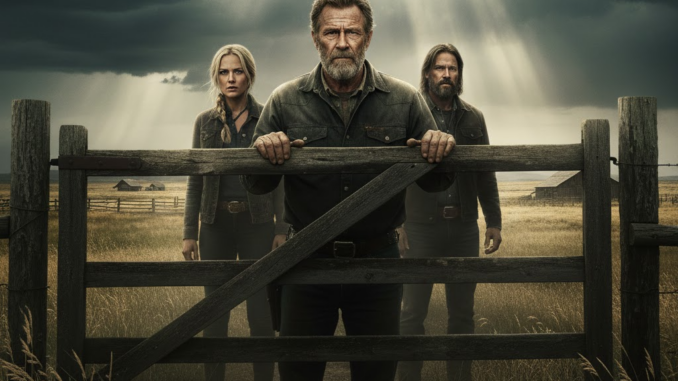
From the very beginning of Yellowstone, land has never merely been property — it has been identity, legacy, and destiny. In the series finale, the Yellowstone Dutton Ranch was sold to the Broken Rock Reservation under strict conditions: the land must remain forever preserved, never developed, and portions would stay accessible to future Dutton descendants. The symbolic price of 1.25 dollars per acre echoed what the family’s ancestors paid generations ago, reinforcing the sacred bond between bloodline and soil.
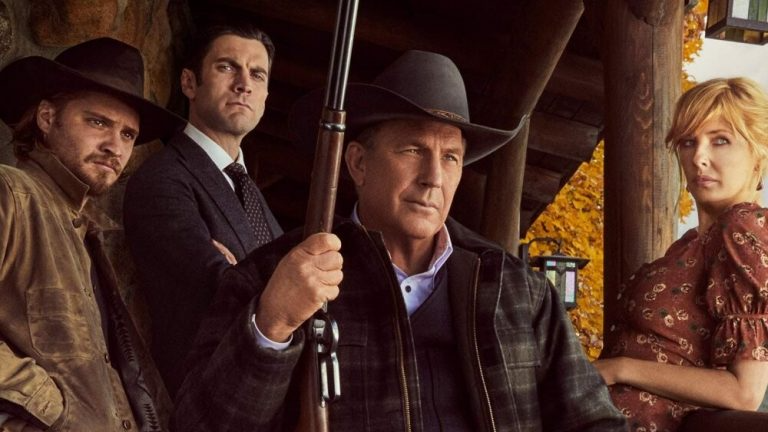
For many viewers, this ending represented honor in its purest form. The land was saved from commercial exploitation. No resorts. No urban sprawl. No casinos. The land returned to Indigenous stewardship, while still honoring the sacrifices of the Dutton lineage. In this interpretation, the finale stood as a rare moral victory — one rooted in preservation, respect, and historical symmetry.
But there is another, darker interpretation.
For decades, the obsession with “holding the land” fueled a cycle of violence. Betrayal, assassination, political manipulation, forced sterilization, internal family warfare — countless tragedies were justified in the name of preservation. The Train Station itself exists because of that belief. Lives were extinguished not for survival, but for ownership.
As laws evolved and society changed, the rigid idea of preserving land “at any cost” became not only outdated, but morally corrosive. What begins as legacy slowly transforms into burden. What starts as honor mutates into survival-driven brutality. The price of preservation becomes blood, family, and peace.
This moral paradox opens the door for future spin-offs and deeper analysis: Is land still sacred when it demands human sacrifice? Does legacy require ownership, or simply protection? And in a world reshaped by environmental crisis and social justice movements, does the old Dutton philosophy survive — or stand condemned?
Yellowstone never gave us a perfect answer. Instead, it left us with a haunting question: Was holding the land an act of honor… or the original sin that doomed everything?