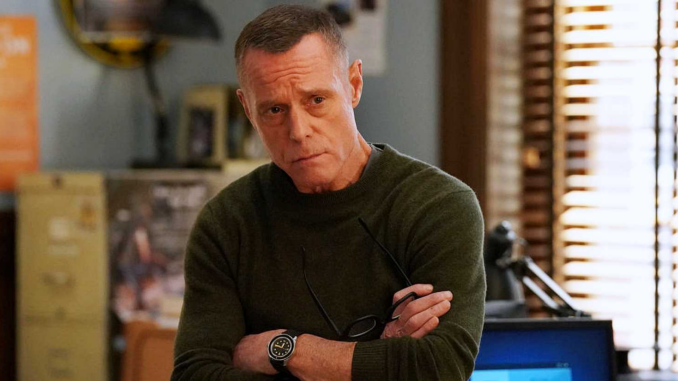
Chicago P.D. season 13 continues to raise the bar with a powerful new layer added to Hank Voight’s story, delivering an unexpected revelation that reshapes how viewers understand the character. Over the years, the One Chicago franchise has grown into one of the most reliable and successful primetime blocks on television, largely because each series maintains its own identity while still feeling part of a shared universe. Although large-scale crossovers have become less frequent, the shows have recently made a visible effort to reconnect their storylines and shared history.
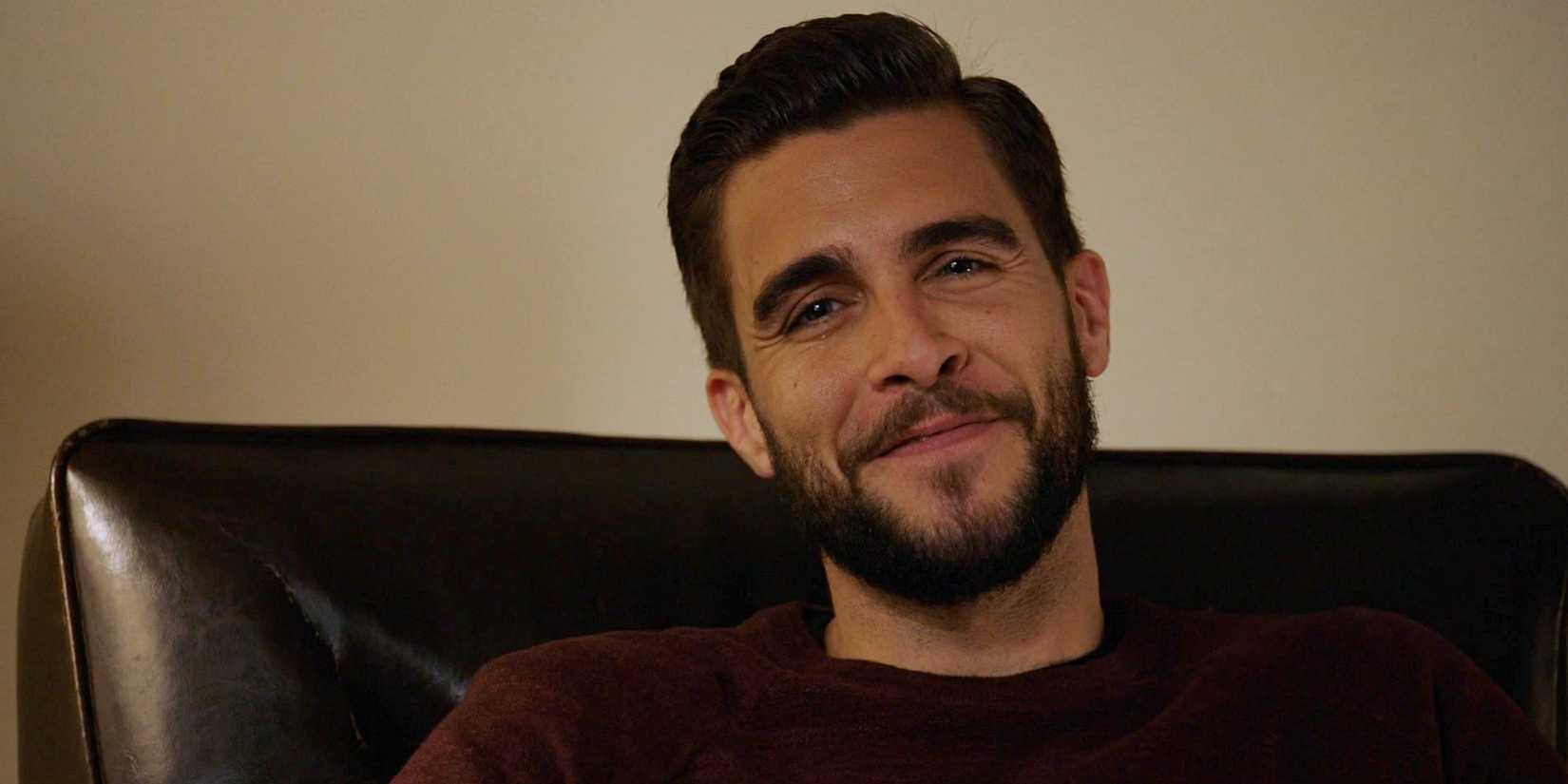
Even so, not every episode can focus on those overlapping threads, as Gaffney Medical, Firehouse 51, and Intelligence are each consumed by their own high-stakes cases. Still, the roots of the One Chicago universe trace back more than a decade, to the moment Voight was first introduced on Chicago Fire. At the time, he was far from the respected and feared leader of Intelligence. Instead, he was positioned as an outright antagonist, clashing directly with Matt Casey and testing viewers’ loyalties.
Now, 13 years later, Chicago P.D. season 13 delivers a stunning revelation that forces fans to rethink Voight’s original villainous portrayal. The twist not only reframes his earliest actions but also casts several of his morally questionable decisions over the past decade in a more complex light.
The key moment arrives in season 13, episode 4, titled “Root Cause.” The episode opens with Voight discovering a disturbing photograph tucked into the windshield of his car. The image shows a young boy—badly beaten and bloodied—lying in a hospital bed. Throughout the episode, the mystery surrounding the photo hangs heavily over Voight, unsettling him in a way viewers rarely see. Detective Eva Imani presses him for answers, but he remains guarded, clearly shaken by what the image represents. Even Trudy is brought in to help trace who left the photo behind.
As Intelligence investigates a case involving a troubled man whose downward spiral may be linked to his father, Imani once again confronts Voight about the photo. The episode ends with a bombshell reveal: the injured child in the picture is Voight himself, taken in the 1970s. This marks the first time the series has ever presented concrete evidence of trauma in his childhood, despite his past being referenced on occasion in earlier seasons.
While the show stops short of confirming exactly what happened to young Voight, the implication is clear. The severity of his injuries suggests abuse, and the parallel case unfolding in “Root Cause” subtly hints that his father may have been responsible. The photograph even includes a partial glimpse of a police officer standing by his hospital bed. Although Voight’s father has been mentioned in the past, there was never any indication that he was violent—until now.
This revelation casts his fierce devotion to his son Justin in a heartbreaking new light. Voight’s willingness to do absolutely anything for Justin—including pressuring Matt Casey in Chicago Fire season 1 to cover up his son’s drunk-driving accident that left a man paralyzed—was originally framed as the ruthless behavior of a corrupt cop. That was the audience’s first encounter with Voight, and at the time, he was clearly positioned as a villain, especially given how beloved Firehouse 51 already was.
Even after Chicago P.D. launched, Voight’s pattern of protecting Justin at all costs continued. Justin’s repeated struggles and poor decisions often forced his father into morally dangerous territory. Tragically, this all culminated in Justin’s brutal death—a turning point that pushed Voight to commit some of his darkest acts, many of which remain unspoken secrets within the series today.
Chicago P.D. airs on NBC. Don’t miss the next chapters of Voight’s story and the intense new cases facing Intelligence by tuning in to upcoming episodes—fans are invited to follow along as season 13 continues to unfold.