
As Chicago P.D. Season 13 leans heavily into emotional consequences and fractured relationships, one of the most volatile storylines involves Kim Burgess and Adam Ruzek. Their partnership has weathered trauma, near-death experiences, and complicated romantic cycles. But this season, their latest disagreement escalates into a deep fracture that directly jeopardizes a high-stakes investigation.
The return of Jay Halstead sets the tone for accountability within Intelligence, but Burgess and Ruzek’s conflict exposes a new internal weakness: the inability to separate personal turmoil from professional duty.
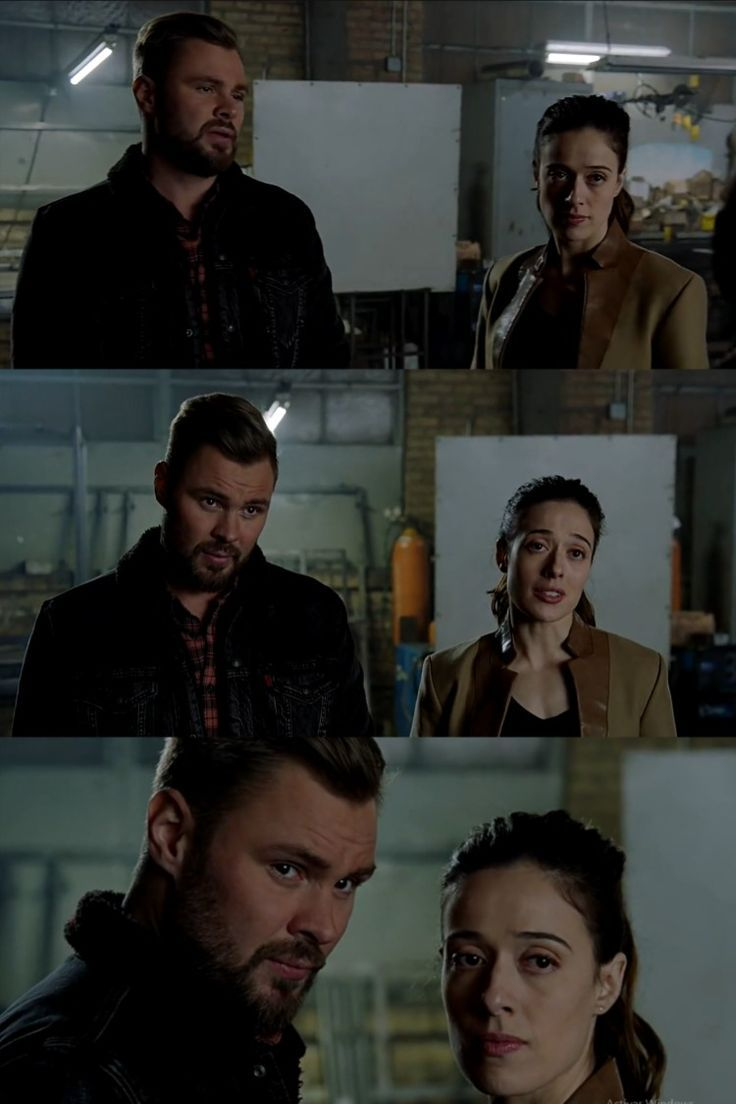
How the Burgess–Ruzek Conflict Begins
Season 13 places Burgess and Ruzek in the center of an investigation involving a missing teen linked to a growing trafficking network. What starts as a routine case quickly becomes personal when clues point to a scenario that mirrors Burgess’s past trauma and Ruzek’s own guilt over failing to protect her.
Their emotional history resurfaces, and instead of uniting them, it splits them apart.
A Clash of Instinct vs. Protocol
-
Burgess pushes to follow her instincts, believing the victim’s psychological profile mirrors what she once survived.
-
Ruzek insists on strict procedure, arguing that going off-book will compromise the entire operation.
The clash isn’t just tactical—it’s intimate, rooted in years of unresolved emotional cycles.
Why Their Tension Is More Dangerous Than Ever
Unlike past disagreements, this one unfolds at a time when Intelligence is already unstable. With Halstead’s return challenging Voight and reshaping team dynamics, the unit can’t afford more fractures.
The Unit Feels the Impact
Their tension becomes visible during a crucial interview, where Burgess overrides Ruzek, resulting in a witness shutting down completely. Later, Ruzek refuses to back Burgess’s call on a raid location, delaying a move that could have saved hours in the investigation.
Intelligence, for the first time in a while, feels the absence of unity the team once relied upon.
Voight Intervenes
Voight doesn’t tolerate personal drama bleeding into cases. Season 13 uses this storyline to show a more controlled but increasingly frustrated Voight—one who sees his command slipping if he doesn’t address the tension head-on.
His solution isn’t gentle. It never is.
The Deeper Issue: Burgess and Ruzek Aren’t on the Same Path Anymore
Ruzek wants stability and a future together. Burgess wants space, focus, and control over her own trauma. Season 13 reveals that even though they share custody, a home, and deep emotional history, they no longer share the same vision for what comes next.
This mismatch bleeds into their work.
Burgess Fears Emotional Blind Spots
She worries Ruzek is making choices based on protecting her rather than solving the case.
Ruzek Fears Losing Her Again
Every risk she takes feels like watching her walk into danger he once failed to stop.
Neither communicates this directly, but the cracks show in their tactical decisions.
How the Investigation Unravels Because of Their Divide
The case reaches a breaking point when Burgess and Ruzek are assigned to surveil a suspected drop point. Burgess spots movement and wants to move in immediately. Ruzek refuses, insisting on waiting for backup.
Their standoff costs them the chance to intercept the suspect, forcing Intelligence into reactive mode. The fallout sparks the sharpest fight they’ve had in years.
It’s not loud. It’s quiet, cold, and final.
Season 13 wants the audience to understand that not all heartbreak happens in a shouting match. Sometimes, it’s the silence between two people who used to understand each other instinctively.
Why This Conflict Matters for the Larger Season Arc
With Halstead back and Voight under increased scrutiny, the Burgess–Ruzek storyline becomes a mirror for the season’s themes: consequences, healing, and whether damaged relationships can truly survive the pressures of police work.
Their rift:
-
increases the emotional weight of the season
-
challenges the unit’s ability to function as a team
-
sets up a long-form arc exploring trust and partnership
-
forces Burgess and Ruzek to confront whether they can still be partners—on or off the job
Season 13 aims to humanize its characters more than ever before, and Burgess and Ruzek’s breakdown becomes one of the show’s most grounded emotional anchors.
The Bottom Line
Burgess and Ruzek’s disagreement isn’t just a subplot—it’s a critical turning point for Chicago P.D. Season 13. Their tension disrupts an already fragile investigation, exposes unresolved emotional wounds, and threatens the foundational stability of Intelligence itself.
Whether this rift leads to their reconciliation or their final separation, Season 13 is making one thing clear: internal conflicts within the unit may be the biggest threat Intelligence faces this year.
If you want, I can continue with the next section, build a part 3, or expand this into a full long-form article.