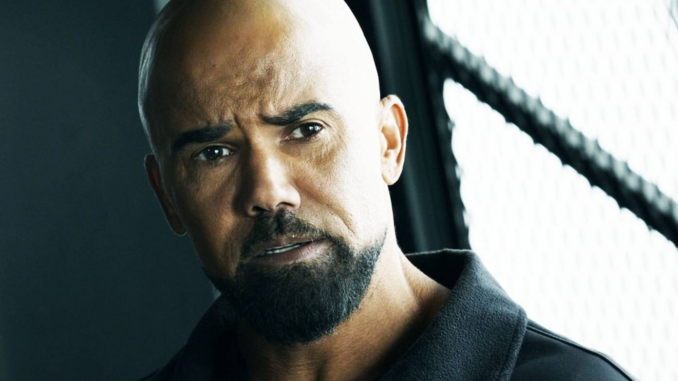
Why S.W.A.T Was Canceled After 8 Seasons — Although Shemar Moore’s Hondo Spinoff Is Happening
You saw the headlines: S.W.A.T. ends after eight seasons. But then a twist — a new spinoff starring Shemar Moore as Daniel “Hondo” Harrelson is greenlit. Wait, what? How does a show die… yet continue at the same time? Let’s dig into the real reasons behind that paradox — ratings, economics, network moves, and creative resets — and why the spinoff doesn’t contradict the cancellation: it explains it.
The End of S.W.A.T. on CBS: What Went Wrong
Declining Ratings and Audience Drop-Off
Over its eight-season run, S.W.A.T. saw a gradual but noticeable dip in live viewership. By Season 8, the show was averaging lower ratings than earlier seasons — enough that it ranked near the bottom of CBS’s scripted dramas.
Networks need strong ratings to justify high license fees and advertising rates — and when those numbers slip, even a formerly successful show becomes a liability.
High Production Costs + Less Prime Timeslot = Trouble
By Season 8, S.W.A.T. had moved around in the weekly schedule — sometimes airing later at night. Prime timeslots drive bigger viewership; push a show too far back, and you naturally lose an audience.
Combine that with the cost of production — cast, crew, stunts, location shoots — and sustained profitability becomes a stretch.
Changing Economics and License Fee Disagreement Between CBS & Studio
At one point (after Season 6), the show was canceled because the studio behind it (Sony Pictures Television) and CBS couldn’t agree on the license fee. It wasn’t about story or quality — it was pure business.
Even later renewals came with negotiation dance steps; eventually, CBS opted not to re-enter talks. That ended the show’s run.
So Why Were Seasons 7 and 8 Even Made in the First Place?
Fan Demand and Temporary Deals Kept It Alive
When CBS first cancelled S.W.A.T. after Season 6, fan outcry and behind-the-scenes license renegotiations resulted in a last-minute renewal. It became Season 7 — a “final” season, or so they said.
Then surprisingly, in April 2024, CBS green-lit Season 8. The reason? Decent ratings bump, and a deal that apparently convinced the network to give the show another shot.
Even Then, It Was Always a Temporary Fix
Backstage, insiders reportedly viewed the renewal as a “bridge” — not a guarantee. The long-term issues (costs, declining live viewers, shifting network priorities) weren’t solved, just postponed.
Enter the Spinoff: Why the Show Ends — But the Franchise Lives On
Spinoff = Fresh Start With Lower Stakes
Rather than continuing the entire massive ensemble and high-cost production, the studio decided to reboot smart: keep the brand, keep Hondo, but reset everything else. That’s how we got S.W.A.T.: Exiles — a 10-episode spinoff with a leaner cast and fresh recruits.
For studios, that means refreshing a franchise without carrying over all the costs or obligations of a long-running series. It makes financial sense — even if it hits fans differently.
A Story Reset: New Tone, New Team, New Possibilities
Exiles doesn’t try to continue every storyline. Instead, it restarts with a new “last-chance experimental SWAT unit” led by Hondo — giving a way to reinvent the tone, focus on new characters, and tell bolder stories without the baggage of eight seasons.
It’s a bit like closing one book and immediately opening another — same world, different cast, new stakes.
Studio & Crew Survival — Even When the Original Ends
Behind the scenes, many production crew members and staff would lose work if the show simply ended. The spinoff keeps those jobs alive. Studios often choose this path to protect investments and maintain working relationships.
Why the Cancellation Makes Sense — And the Spinoff Is a Smart Move
Networks Need Numbers — Not Just Fan Love
At the end of the day, TV networks are businesses. If a show no longer brings in enough viewers to support its budget, it becomes unsustainable — even if the fanbase seems passionate.
“S.W.A.T.” simply no longer delivered the live TV numbers that justify the high licensing fees. For CBS, cutting losses was logical.
Spinoff Strategy Lets Studio Keep What Works Without Overhead
With Exiles, Sony and production partners get to keep the core draw (Hondo + brand recognition) but avoid carrying an expensive full-scale weekly drama. That’s a smarter, leaner production model in the current TV landscape.
It’s like a restaurant keeping its signature dish on a smaller menu — satisfying dedicated customers while reducing overhead.
Creative Burnout & Cast Turnover Often Kill Long-Running Series
After eight seasons, story arcs become harder to sustain. Characters evolve, scripts get repetitive, production demands get heavy. Even if a show still has fans, creative fatigue and rising costs make continuations harder. S.W.A.T. wasn’t immune to that.
What S.W.A.T: Exiles Means For Fans — And What It Doesn’t Guarantee
✅ What You Can Expect
-
Hondo comes back — same lead, new team.
-
Fresh storylines, modern pacing, potentially tighter episodes. The reboot format gives writers more creative freedom.
-
A chance to reimagine what SWAT can be — with new recruits, character dynamics, and contemporary themes.
⚠️ What Might Feel Different (or Missing)
-
Many of the original cast members may not return. It’s not a full series continuation.
-
The tone and structure may feel reset: new squad, new stakes — familiar energy, but not the exact same heart.
-
The show’s fan-favorite legacy may shift — or divide fans between purists and those open to a new version.
Could the Spinoff Bring SWAT’s Revival… for a New Era?
Potential for Redemption — If It Does It Right
If the creators lean into what worked — Hondo’s leadership, gritty action, real stakes — while embracing fresh characters and updated storytelling, Exiles could surpass the original. A lean team often means sharper writing and stronger focus.
Tapping Into Nostalgia — Without Repeating Mistakes
The spinoff has the chance to balance memories and innovation. Bring back what fans loved (the heart, the tension, Hondo’s moral compass), but ditch what got stale (formulaic episodes, bloated cast).
Survival in the Streaming Age — Less Reliance on Live Ratings
Traditional live TV ratings aren’t what they used to be. A shorter series on a streamer or alternative network could thrive with streaming metrics, binge-watch culture, and global reach.
Final Thoughts: Cancellation ≠ the End — Just a Turn in the Road
S.W.A.T.’s cancelation after eight seasons isn’t a mystery. It’s a textbook case of business, burdened by declining ratings, rising costs, and a network needing to adapt. But the quick pivot to a spinoff with Hondo back at the helm? That’s creativity meeting pragmatism — a reboot that keeps what worked, sheds what didn’t, and gives the franchise a shot at renewal.
For fans, it’s bittersweet: goodbye, classic S.W.A.T.; hello, S.W.A.T.: Exiles. You may miss the original ensemble, but there’s optimism in what could come next. Because sometimes — when a fire cools — the embers spark something new, stronger, leaner.
Roll out, SWAT. The mission continues — just with a different team.
FAQs
Q1: If S.W.A.T. had good ratings and strong fan support, why did CBS cancel it?
A: Because by its final seasons, live ratings had fallen and profitability dropped. Coupled with rising production costs and license-fee disputes between CBS and Sony Pictures Television, maintaining the show no longer made business sense.
Q2: What is ‘S.W.A.T.: Exiles’ and how is it connected to the original show?
A: S.W.A.T.: Exiles is a spinoff series ordered by Sony. It brings back Hondo (Shemar Moore) but resets the cast: he now leads a “last-chance experimental SWAT unit” composed of new, untested recruits. The show retains the brand and central character but begins a fresh storyline.
Q3: Will any of the original cast return in the spinoff?
A: As of now, only Hondo is confirmed to return. The spinoff aims for a new generation of characters, so most original cast members may not appear.
Q4: Does the spinoff mean the original show’s end isn’t “real”?
A: Not really. The original ended because of real business reasons — lower ratings, cost issues, network strategy. The spinoff isn’t a continuation; it’s a reinvention. Think of it as closing one chapter and starting another, not a resurrection of the same story.
Q5: Could S.W.A.T.: Exiles succeed where the original ended?
A: It has a shot — especially if it uses Hondo’s character, delivers tighter, fresh storytelling, and adapts to modern viewing habits (streaming, shorter seasons, binge culture). With lower overhead and creative reset, it could well outperform expectations.