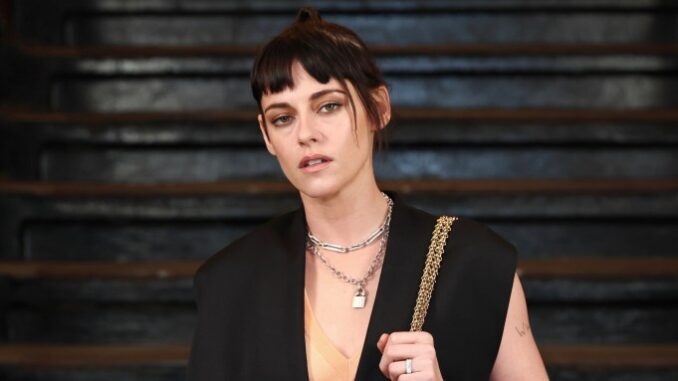
The Gilded Cage and the Tightrope Walk: Why Kristen Stewart Felt Bad For The Twilight Sequel’s Directors
The Twilight saga was, to put it mildly, a phenomenon. A cultural juggernaut that captured the hearts of millions, it simultaneously endured relentless critical derision. Nestled within this maelstrom, Kristen Stewart, as the perpetually bewildered Bella Swan, occupied a unique vantage point. She was the unwilling face of the franchise, the lightning rod for both adoration and scorn. And from this singular perspective, she witnessed something that compelled her empathy: the impossible predicament of the directors tasked with bringing the sequels to life. She felt bad for them, not out of pity for failure, but out of a deep understanding of the gilded cage they were trapped in, and the unenviable tightrope walk they were forced to perform.
At the heart of her sympathy lay the sheer, unyielding weight of expectation. Twilight was not just a series of books; it was a religion for its ardent fanbase. Every nuance, every internal monologue, every beloved (or reviled) line of dialogue was etched into their collective consciousness. The directors – Chris Weitz for New Moon, David Slade for Eclipse, and Bill Condon for Breaking Dawn Parts 1 & 2 – were stepping into a pre-existing universe with a fan base that felt a fierce sense of ownership. Deviate too much, risk fan revolt. Stick too closely to the source material, and prepare for critical scoffing over its more melodramatic or fantastical elements (sparkling vampires, anyone?). It was a no-win scenario, a creative straitjacket woven from fan devotion and source material fidelity. Kristen, herself the subject of obsessive fan scrutiny over her portrayal, understood this paralyzing pressure intimately. She knew what it felt like to have millions of eyes dissecting every blink, every sigh, every perceived flaw.
Beyond the fans, there was the immense, unyielding force of the studio machine. Twilight was a cash cow, and with mega-budgets came mega-demands. The directors weren’t auteurs given free rein; they were navigators of a highly profitable brand. They had to deliver a specific product, adhere to established visual styles, manage enormous special effects demands, and work within grueling schedules to meet release dates. Their vision, while perhaps present in subtle ways, was ultimately subservient to the franchise’s commercial imperative. Kristen, a cog in this colossal machinery, saw firsthand the exhaustion, the compromise, and the sheer logistical nightmare involved in churning out these blockbusters. She wasn’t just an actress delivering lines; she was a witness to the human cost of turning a beloved young adult series into a global phenomenon, and the directors bore the brunt of that burden.
Furthermore, Kristen likely recognized the inherent, almost pre-ordained critical backlash. Twilight was never destined for critical acclaim. It was deemed “unfashionable,” often mocked for its perceived silliness, its melodrama, and its themes. The directors, no matter how skilled or earnest, were swimming against a powerful current of critical prejudice. They could craft a technically proficient, emotionally resonant film, but it would inevitably be filtered through the lens of what Twilight represented to the critical establishment. To see someone pour their heart and skill into a project, knowing full well that it was likely to be met with derision, must have stirred a profound sense of empathy in Stewart. She, too, often found her performances and public persona dismissed or misconstrued, knowing her efforts were often judged through a preconceived lens rather than on their own merit.
In essence, Kristen Stewart felt bad for the Twilight sequel directors because she understood that they were trying to build something substantial on a foundation that was simultaneously adored and ridiculed, under immense pressure from all sides. They were tasked with translating a unique, often quirky, literary experience into a cinematic one for a global audience, knowing that perfection was impossible and widespread criticism was inevitable. She saw them not as glorified technicians, but as fellow human beings caught in the vortex of a cultural phenomenon, doing their best in an untenable position. Her empathy for them was a window into her own experience, a quiet acknowledgment of the shared humanity struggling within the gilded cage of a blockbuster franchise.