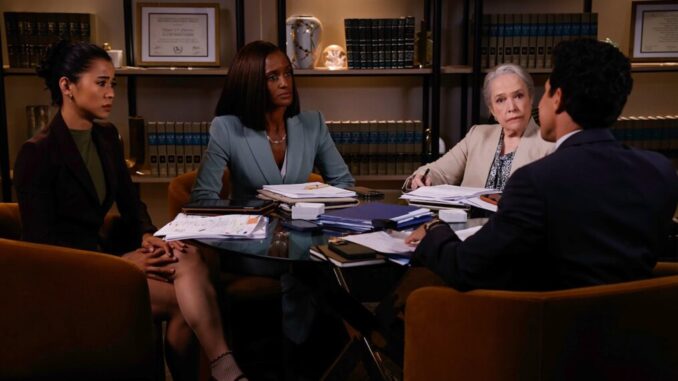
The hum of the fluorescent lights on a soundstage, the crisp scent of new scripts, the camaraderie of a cast and crew – for many, it’s the intoxicating dream of Hollywood. But sometimes, even the dream job can curdle into an exhausting nightmare. Such seems to be the quiet lament emanating from the set of the new Matlock, where the ever-affable Jason Ritter is reportedly hinting at the possibility of stepping away, not due to creative differences or a lack of passion, but from the sheer, soul-sapping intensity of a “hectic filming schedule.” This whisper, more than mere industry gossip, serves as a poignant illustration of the hidden costs of our insatiable demand for content and the human toll exacted on even its most beloved creators.
Jason Ritter, with his lineage of Hollywood royalty and an acting career marked by an endearing earnestness and comedic timing, embodies a certain warmth on screen. He’s the kind of actor whose presence feels like a comfortable embrace, whether he’s navigating the existential dread of Kevin (Probably) Saves the World or adding a quirky charm to Parenthood. His involvement in the Matlock reboot, starring opposite the legendary Kathy Bates, was met with genuine excitement. It felt like a perfect fit: a talented, respected actor in a role that promised both laughs and heart, anchoring a show with a built-in legacy. The allure was undeniable, a chance to be part of a beloved franchise reborn, to work with icons, and to bring a fresh perspective to a familiar world.
Yet, behind the glamour of a network series lies a grueling reality. A “hectic filming schedule” in television isn’t just about long days; it’s a relentless daily cycle of early call times and late wraps, fueled by lukewarm coffee and the adrenaline of performance. It’s the constant pressure to memorize lines, hit marks, embody character, and deliver under tight deadlines. It means sacrificing personal life, often for months on end, as the entire focus becomes the singular pursuit of completing the episode. For a show like Matlock, with its episodic mysteries and potentially complex character arcs, the demands are amplified. Imagine a chef in a Michelin-star restaurant, not just preparing one perfect meal, but a hundred, day after day, week after week, with no break in sight. The initial joy of creation can quickly give way to the weariness of repetitive labor, the artistry eclipsed by the sheer output.
Ritter’s subtle hints illustrate a deeper phenomenon: actor burnout. It’s a condition born from the industry’s increasingly fast-paced production demands, particularly in the age of streaming and accelerated content pipelines. While traditional network shows always had their grind, the modern landscape often compresses seasons into shorter, even more intense bursts, or demands a continuous flow of content that leaves little room for recovery. Actors, despite their celebrity, are ultimately human beings with physical and emotional limits. The strain of constant travel, limited sleep, restricted diets, and the emotional vulnerability required for their craft can lead to exhaustion, mental health struggles, and a fundamental loss of the passion that drew them to the profession in the first place. Ritter, known for his warm demeanor, hinting at a desire to step back speaks volumes; it suggests the schedule has reached a point where it’s compromising his well-being, pushing him to consider a retreat from a role he likely genuinely enjoys.
Beyond Ritter himself, this situation illustrates the precarious balance between artistic ambition and sustainable working conditions within the entertainment industry. It highlights the often-invisible sacrifices made by not just the stars, but also the countless crew members who toil behind the scenes under similar, if not more extreme, pressures. When an actor of Ritter’s caliber, a seemingly “perfect fit” for a role, contemplates leaving, it serves as a stark reminder that even the most coveted jobs come with a price. It urges us to look past the finished product on our screens and acknowledge the human effort, the personal cost, and sometimes, the quiet struggle that goes into bringing those stories to life.
Ultimately, Jason Ritter’s unspoken plea, filtered through hints and industry whispers, is more than just a casting note for Matlock. It’s a compelling illustration of the human limits in a demanding industry, a gentle but firm reminder that even the brightest stars can dim under the relentless glare of a hectic schedule. It prompts a crucial conversation about sustainability, well-being, and the true cost of our collective thirst for endless entertainment. For Ritter, it may be a choice between a beloved role and his peace of mind; for the industry, it’s a call to examine whether the pace of production is truly sustainable for the very people who make the magic happen.