Police procedurals have always walked a fine line between entertainment and realism. But in recent years, one show has sparked louder debates than most—The Rookie. Loved by millions and criticized just as fiercely, the series raises a big, uncomfortable question: Is The Rookie over-glorifying the image of the police?
Let’s dig deep. No sugarcoating. No blind praise. Just a clear-eyed look at why this show sparks such intense reactions—and why people can’t stop watching.
Why The Rookie Sparks So Much Debate
At first glance, The Rookie feels like comfort TV. It’s fast-paced, character-driven, and often uplifting. But beneath the surface, critics argue the show paints policing with a glossy filter that doesn’t reflect real-world complexity.
So why does this matter? Because television doesn’t just entertain—it shapes perception.
The Premise That Hooks Viewers Instantly
A Late-Blooming Cop With a Second Chance
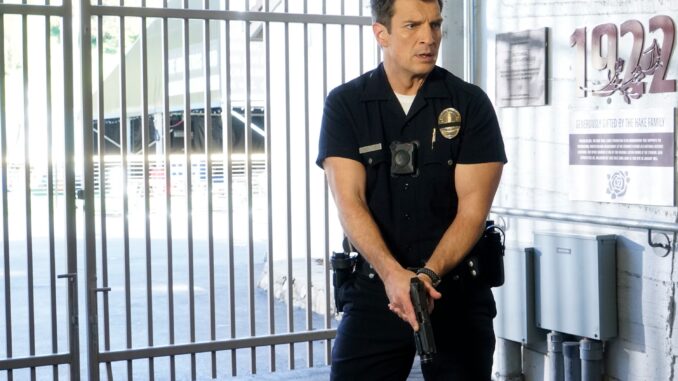
John Nolan, a middle-aged man chasing a new purpose, joins the LAPD as its oldest rookie. That premise alone is inspiring—and incredibly marketable.
It taps into a universal idea: It’s never too late to start over.
But inspiration can quickly drift into idealization.
Hero-Centered Storytelling at Its Core
Police as Everyday Superheroes
In The Rookie, officers consistently:
-
Make the “right” call under pressure
-
Save lives against impossible odds
-
Risk everything with minimal consequences
While that makes for gripping TV, it also creates a simplified narrative where police are nearly always the heroes—and rarely the problem.
The Absence of Systemic Accountability
Where Are the Real Consequences?
One major criticism is how rarely the show explores:
-
Institutional failures
-
Corruption beyond “bad apples”
-
Long-term consequences of police mistakes
Conflicts often wrap up neatly by the end of an episode. In reality, policing is anything but tidy.
Good Cops vs. Bad Criminals: A Simplified World
A Black-and-White Moral Lens
Most episodes follow a familiar pattern:
-
Police = moral center
-
Criminals = clear villains
This framing leaves little room for nuance, social context, or uncomfortable gray areas that exist in real communities.
Life isn’t black and white—but The Rookie often is.
Does Entertainment Justify Idealization?
“It’s Just a TV Show”… Or Is It?
Supporters argue that The Rookie is meant to entertain, not educate. And they’re not wrong.
But here’s the catch:
When a show reaches millions of viewers, its narrative carries weight—whether it intends to or not.
The Emotional Bond Viewers Form With Officers
Character-Driven Storytelling Builds Trust
The show excels at making viewers care:
-
We see officers’ families
-
Their heartbreaks and victories
-
Their personal growth
That emotional connection makes it harder to question their authority or actions on screen.
It’s storytelling brilliance—but also subtle persuasion.
Romance and Humor Soften the Badge
Humanizing the Uniform
Romantic subplots and humor make officers relatable. They laugh, fall in love, mess up, and recover.
While this adds depth, it also shifts focus away from the power imbalance inherent in policing.
Escalating Action, Decreasing Realism
From Street Patrol to Action Movie
As seasons progress, the stakes skyrocket:
-
Terrorist plots
-
International criminals
-
High-speed chases every other episode
This Hollywood escalation distances the show even further from everyday police work—and reality.
Representation vs. Reality
Diversity Done Right—or Carefully Curated?
The Rookie deserves credit for showcasing diversity within the force. Strong female characters and officers of color are central to the story.
However, critics argue that diversity is sometimes used as a shield—suggesting that representation alone solves deeper systemic issues.
Policing Without Politics
Avoiding the Hard Conversations
The show largely sidesteps:
-
Police brutality debates
-
Racial profiling
-
Public distrust of law enforcement
By staying “neutral,” The Rookie maintains broad appeal—but avoids the most pressing realities of modern policing.
Why Fans Still Defend the Show
Comfort TV in Uncertain Times
For many viewers, The Rookie offers:
-
Hope
-
Stability
-
Clear heroes in a chaotic world
And honestly? That’s not nothing.
In an era filled with grim headlines, people crave stories where someone shows up to help—and succeeds.
Is The Rookie Unique in This Criticism?
A Long Tradition of Copaganda
The Rookie isn’t alone. Police glorification has been a staple of TV for decades.
What’s changed is the audience—more informed, more skeptical, and less willing to accept simple narratives.
The Responsibility of Modern Storytelling
Can a Show Entertain and Challenge at the Same Time?
Absolutely. And that’s why the criticism exists—because viewers believe The Rookie could do more.
Not less entertainment. Just more honesty.
So, Is The Rookie Over-Glorifying the Police?
The Honest Answer
Yes—to a degree.
The Rookie presents an idealized version of policing that prioritizes heroism over accountability and optimism over realism. That doesn’t make it malicious—but it does make it incomplete.
Final Verdict: Enjoy, But Question
Watch With Open Eyes
The Rookie is engaging, heartfelt, and undeniably watchable. But it’s also a polished narrative that smooths over the rough edges of real-world policing.
Enjoy the show—but don’t confuse fiction with reality.
Conclusion
The Rookie thrives because it tells stories people want to believe—stories of redemption, courage, and doing the right thing. But in doing so, it risks presenting a one-sided view of law enforcement that feels increasingly out of step with the real world. The show isn’t wrong for being hopeful—but hope without balance can become illusion. As viewers, the power lies with us: to enjoy the drama, connect with the characters, and still ask the hard questions.