Sparkle vs. Bite: Who is the True Icon of Vampire Storytelling?
The vampire, an archetype steeped in centuries of folklore and fear, has always been a mutable creature. From the monstrous Count Dracula to the tortured Lestat, each era reinvents the bloodsucker to reflect its anxieties and desires. In the early 21st century, two titans emerged to once again redefine the modern vampire for a new generation: Stephenie Meyer’s Twilight saga and L.J. Smith’s The Vampire Diaries, adapted for film and television respectively. Both captured the zeitgeist, eliciting fervent devotion and fierce debate. But when pitted against each other to determine the “true icon” of modern vampire narratives, the distinction shifts from mere popularity to the enduring power of myth, depth of character, and the willingness to embrace the fangs as well as the romance.
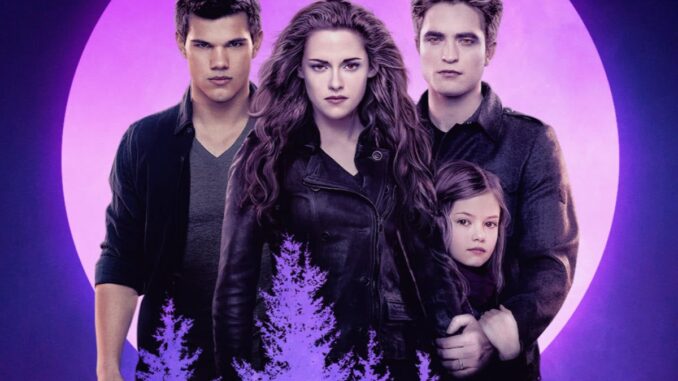
Twilight, in its cinematic incarnation, was an undeniable supernova. It introduced audiences to Edward Cullen, a brooding, perpetually 17-year-old vampire whose skin glittered like diamonds in the sunlight, and his epic, all-consuming love for the clumsy, human Bella Swan. The films broke box office records, spawned a global phenomenon, and cemented a specific vision of the vampire: beautiful, eternally young, conflicted, and above all, romantic. Twilight‘s iconic status lies in its unprecedented commercial success and its bold re-imagining of vampire physiology and lore. It stripped away much of the traditional horror, replacing it with a gothic romance that captivated millions, particularly young women, making the vampire a symbol of forbidden, intense love rather than existential dread. The image of a glittering, self-loathing Edward became synonymous with a genre shift, proving that vampires could be protagonists in a sweeping love story, not just villains in a tale of terror.
However, to truly gauge an icon, one must look beyond the initial flash to the sustained resonance and complexity of the portrayal. This is where The Vampire Diaries, though primarily a television series, arguably surpasses Twilight‘s cinematic reach in terms of iconic vampiric storytelling. While Twilight gave us the singular, brooding Edward, The Vampire Diaries presented a dynamic duo in the Salvatore brothers, Stefan and Damon. Here, vampirism was not merely a backdrop for romance but a curse, a power, and a constant moral tightrope walk.
Damon Salvatore, with his fangs-bared ferocity, sardonic wit, and capacity for both shocking cruelty and profound love, became an instant icon of the morally ambiguous vampire. He was everything Edward wasn’t: dangerous, unpredictable, and reveling in his immortality, even as he yearned for redemption. Stefan, his brother, offered the conflicted hero, constantly battling his own bloodlust and the dark impulses of his nature. Together, they illustrated the dualities inherent in the vampire myth – the monstrous and the humane, the predatory and the protective, the seductive and the terrifying. The Vampire Diaries never shied away from the brutal implications of immortality and bloodlust, showcasing compulsion, violence, and the messy consequences of living outside human morality, even while weaving intricate love triangles and deep friendships. Its vampires were not merely sparkly objects of affection; they were complex beings, capable of profound good and unspeakable evil, evolving across seasons in a narrative tapestry far richer and more expansive than Twilight‘s more narrowly focused romance.
Furthermore, The Vampire Diaries built a vastly more intricate and engaging supernatural world. Witches, werewolves, hybrids, and ancient bloodlines intertwined, creating a lore that felt lived-in and dangerous. The vampires themselves had varied origins, weaknesses, and strengths, making them part of a larger, constantly threatened ecosystem. This comprehensive world-building allowed for endless storytelling possibilities and a continuous exploration of what it truly means to be a creature of the night, bound by both instinct and conscience. While Twilight presented a compelling, if simplified, take on vampires, The Vampire Diaries delved into the very essence of the myth, dissecting its allure and its horror with equal measure.
An icon doesn’t just capture a moment; it endures, adapts, and leaves a richer, more nuanced legacy. While Twilight‘s specific “sparkly vampire” became an instant, recognizable shorthand, it often did so by simplifying the genre. The Vampire Diaries, on the other hand, expanded it. It showed that vampires could be intensely romantic without sacrificing their inherent danger. It allowed its characters to be deeply flawed, make terrible choices, and still strive for something akin to humanity. The enduring popularity of characters like Damon Salvatore, who embodied both the devilish charm and the heartbreaking vulnerability of the vampire, speaks volumes about the show’s lasting impact.
In conclusion, while Twilight undeniably sparkled its way into the cultural consciousness, forever altering the landscape of supernatural romance and proving the commercial viability of a gentler vampire, it is The Vampire Diaries that truly earns the mantle of a more complete and enduring icon. By embracing the full spectrum of vampiric existence – the alluring darkness, the agonizing humanity, the fangs-bared ferocity, and the profound capacity for love – The Vampire Diaries offered a multi-faceted, complex, and ultimately more authentic portrayal of the mythical creature. It gave us not just a hero to swoon over, but a pantheon of morally gray characters who embodied the eternal struggle between monster and man, forever etching their bite into the heart of modern vampire storytelling.