
There was a time when The Good Doctor thrived on clinical tension. Impossible diagnoses. Ethical dilemmas with no clean answers. Doctors clashing over what was medically right versus emotionally human.
That version of the show feels distant now.
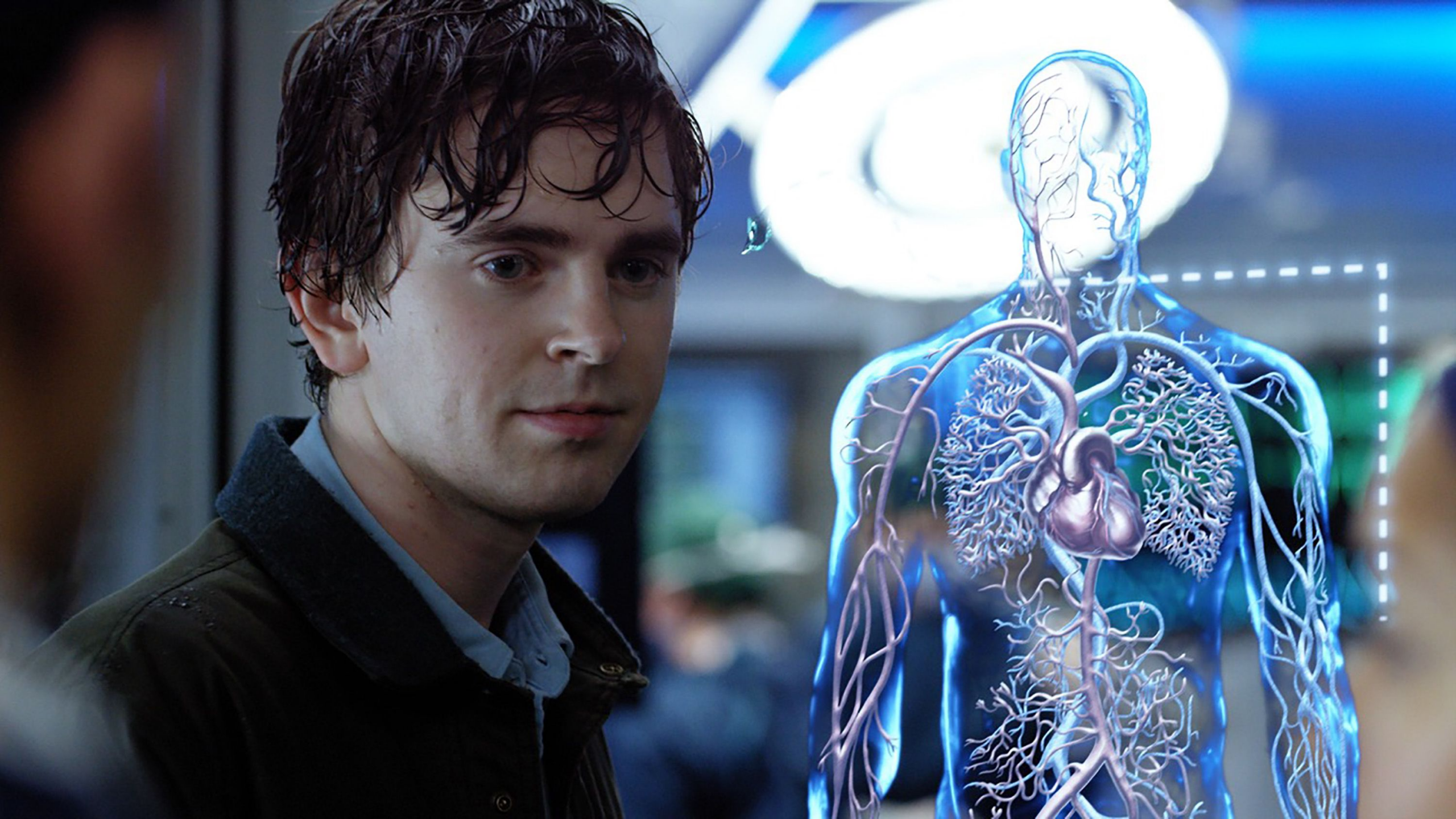
In recent seasons, medical cases increasingly serve as background noise. Surgeries are compressed. Diagnoses arrive quickly. The real focus lies elsewhere — romantic entanglements, personal conflicts, workplace politics, and emotional fallout.
For some viewers, this evolution feels natural. Long-running shows must evolve or die.
For others, it feels like betrayal.
The argument isn’t that character drama doesn’t belong in a medical series — it always has. The controversy lies in balance. When the medicine becomes secondary, the hospital setting loses its weight. Stakes feel artificial. The urgency fades.
Fans have noticed patterns: cases that conveniently mirror emotional issues, illnesses introduced only to spark arguments, and ethical debates resolved with surprising ease. What once felt intellectually demanding now feels emotionally manipulative.
The show hasn’t abandoned medicine — but it has deprioritized it.
And that shift has fractured the audience. Some praise the emotional accessibility. Others feel the show has lost its identity in exchange for broader appeal.
The question no one wants to ask out loud is simple:
If the hospital is no longer the point, why keep pretending it is?