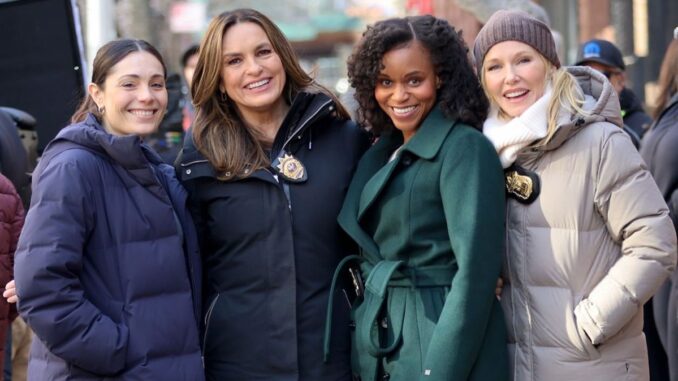
Ice-T addresses rumors about reduced screen time on Law & Order: SVU, as fans speculate whether budget shifts and cast changes could shape future seasons.
Few TV shows inspire loyalty, debate, and emotional investment quite like Law & Order: SVU. After more than two decades on the air, every casting decision, storyline pivot, or even a few missing minutes of screen time can send fans spiraling into speculation. So when Ice-T recently suggested that his limited on-screen presence may be tied to budget realities—especially following Kelli Giddish’s return—it was bound to ignite conversation.
Is this simply a practical production decision, or does it hint at deeper shifts behind the scenes? For fans who have grown up with these characters, the question feels personal.
Context: Where SVU Stands Right Now
Entering its later seasons, Law & Order: SVU occupies a unique place in television history. Very few series survive long enough to become institutions, and even fewer manage to remain culturally relevant while doing so. With evolving social conversations, rotating cast members, and tighter television budgets across the industry, the show has had to adapt—sometimes in ways viewers notice immediately.
Ice-T’s character, Odafin Tutuola, has long been a steady presence. He’s not always at the center of every episode, but his grounded perspective often balances the emotional intensity of the cases. Recently, however, fans began noticing that he seemed to appear less frequently or for shorter stretches within episodes.
At the same time, the return of Kelli Giddish—who portrays Amanda Rollins—reignited excitement and nostalgia. Rollins’ storylines have always resonated deeply with viewers, and her reappearance naturally shifted focus back to unresolved arcs and familiar dynamics.
Why This Moment Matters to Fans
For long-time fans, SVU is not just a TV show—it’s a ritual. Characters like Tutuola, Rollins, and Olivia Benson feel like constants in a rapidly changing TV landscape. So when screen time changes, fans don’t see it as a minor adjustment; they see it as a potential signal.
Ice-T’s comments about budget constraints struck a nerve because they pulled back the curtain on something fans rarely want to confront: even beloved shows must answer to financial realities. In an era where streaming wars and shrinking ad revenues dominate industry conversations, no series—no matter how iconic—is immune.
For some fans, the idea that budget decisions might influence which characters get more or less focus feels unsettling. It raises questions about priorities, legacy, and whether emotional continuity is being sacrificed for practicality.
Themes That Stand Out This Season
One of the most compelling aspects of the current Law & Order: SVU season is its quieter intensity. Instead of relying solely on shocking twists, the show leans into character-driven moments—sometimes subtle, sometimes painfully raw.
The Weight of History
With characters who have endured decades of trauma, victories, and losses, every scene carries history. Even when a character like Tutuola appears briefly, his presence is weighted with meaning. Fans often argue that fewer scenes don’t necessarily mean less impact—but it does change the rhythm of the show.
Balancing Legacy and Fresh Energy
Rollins’ return brings emotional familiarity, but it also forces the series to balance nostalgia with forward momentum. That balancing act may explain why some characters rotate in prominence from episode to episode.
Budget as an Invisible Character
Though rarely acknowledged on screen, budget constraints have become an unspoken influence. Fewer locations, tighter episode structures, and strategic use of long-standing cast members all subtly shape the storytelling.
Fan Reactions and Online Buzz
Unsurprisingly, fan reactions have been intense—and divided. Across social media and fan forums, speculation runs rampant.
Some fans believe Ice-T’s comments simply reflect transparency. From this perspective, acknowledging budget realities shows respect for viewers who invest time and emotion into the show. Others, however, worry that financial decisions could gradually erode the ensemble feel that made SVU special in the first place.
There’s also a hopeful camp. These fans suggest that limited screen time now could mean a stronger focus later—perhaps saving major character moments for pivotal episodes. After all, SVU has a long history of surprising viewers when they least expect it.
Importantly, none of this speculation is confirmed. Much of the buzz lives firmly in fan theory territory, fueled by passion rather than inside knowledge.
What This Could Mean for Future Episodes
Looking ahead, several possibilities emerge—each equally plausible, depending on how the creative team navigates upcoming seasons.
Rotating Spotlights
SVU may continue rotating focus among its core cast, allowing different characters to take center stage depending on the storyline. This approach keeps the show dynamic but risks leaving some fans feeling shortchanged.
Event-Focused Appearances
Another theory suggests that characters like Tutuola could appear less frequently but in more impactful, story-defining moments. This would align with budget efficiency while preserving emotional payoff.
Preparing for a New Era
Some fans speculate that these shifts could be part of a gradual transition, setting the stage for future seasons where legacy characters mentor newer ones—or step back without disappearing entirely.
Again, these ideas remain speculative. The show has not confirmed any long-term changes, and SVU’s history suggests that surprises are always possible.
The Emotional Core of SVU Remains Intact
Despite concerns about screen time and budgets, one thing remains clear: Law & Order: SVU still understands its emotional core. Episodes continue to explore difficult themes with sensitivity, and character relationships remain central to the storytelling.
Ice-T’s openness about behind-the-scenes realities may actually strengthen the bond between the show and its audience. By acknowledging challenges rather than ignoring them, the series invites fans into a more honest relationship—one where passion and pragmatism coexist.
Final Thoughts: Should Fans Be Worried?
At this point, it may be too early to panic. Limited screen time doesn’t necessarily signal an ending or a downgrade in importance. In a long-running series, evolution is inevitable—and sometimes uncomfortable.
What matters most is whether SVU continues to honor its characters, respect its audience, and tell stories that resonate. As long as those elements remain intact, fans may find that even smaller moments can still carry enormous weight.
So what do you think—are budget-driven changes a natural part of keeping SVU alive, or do they risk changing the heart of the show fans fell in love with?