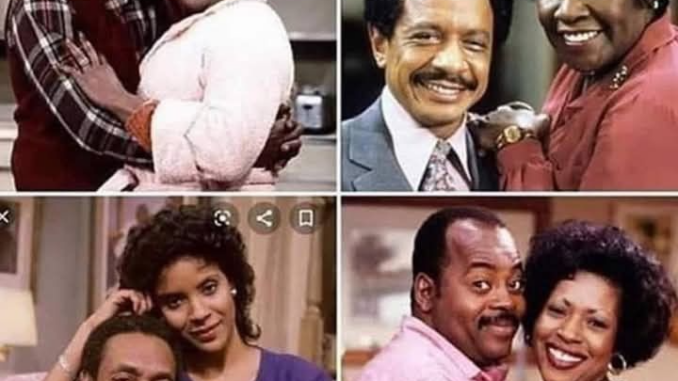
Some TV shows fade away quietly. Others stick around like an old family photo—slightly worn, a little dated, but packed with memories. Family Matters falls squarely into the second category. Even decades later, the show still sparks laughter, nostalgia, and debate.
So what made Family Matters such a big deal? And does it still hold up today? Let’s rewind the tape and take a deep, honest look at one of the most iconic sitcoms to come out of the late 80s and early 90s.
What Was “Family Matters” All About?
At its core, Family Matters was a classic family sitcom. It followed the lives of the Winslow family, a middle-class household living in Chicago. Carl Winslow was a hardworking police officer. Harriette Winslow held the family together with wit and warmth. Their kids navigated school, friendships, and growing pains.
Sounds simple, right? That simplicity was the magic.
The Show’s Place in 80’s Television History
Premiering in 1989, Family Matters arrived during a golden era of sitcoms. Family-based shows dominated television, offering comfort, humor, and moral lessons at the end of each episode.
This was the era when TV families felt like extensions of your own. Family Matters fit perfectly into that landscape, blending comedy with heart in a way audiences instantly connected with.
Meet the Winslow Family
The Winslows were the backbone of the show. Carl’s booming voice and strict-but-loving parenting balanced Harriette’s sharp humor and emotional intelligence. Their kids—Eddie, Laura, and initially Judy—represented different stages of growing up.
They weren’t perfect, and that was the point. Their arguments felt real. Their lessons felt earned.
Steve Urkel: The Character Who Changed Everything
Let’s be honest. You can’t talk about Family Matters without talking about Steve Urkel.
Originally meant to appear once, Urkel became a cultural phenomenon almost overnight. His suspenders, high-pitched voice, and clumsy charm stole the spotlight.
The show slowly shifted from a family ensemble to an Urkel-centric comedy. Love him or hate him, Urkel defined Family Matters.
How the Show Evolved Over Time
Early seasons focused on everyday family issues—school trouble, discipline, sibling rivalry. As the series progressed, things got wilder. Science experiments, transformations, and over-the-top storylines took center stage.
Some fans loved the evolution. Others missed the grounded family tone. Either way, the transformation kept the show relevant and memorable.
Comedy Style: Slapstick Meets Sitcom Warmth
Family Matters blended physical comedy with traditional sitcom humor. One moment you’re laughing at Urkel falling through a door, the next you’re watching a heartfelt conversation between Carl and his kids.
That balance kept episodes from feeling empty. Even the silliest moments were anchored by emotion.
Life Lessons Hidden Behind the Laughs
Beneath the jokes, Family Matters tackled real issues. Peer pressure. Racism. Responsibility. Self-worth. Each episode usually wrapped up with a lesson that didn’t feel forced.
It was like getting advice from a TV parent—firm, caring, and just a little cheesy.
Representation and Cultural Impact
At a time when Black family sitcoms were gaining traction, Family Matters played an important role. It showed a stable, loving household dealing with universal problems.
The Winslows weren’t stereotypes. They were relatable, multidimensional, and proudly themselves. That representation mattered—and still does.
The Strength of the Supporting Cast
Beyond the main family, the show featured memorable side characters. Friends, neighbors, and coworkers added layers to the world of Family Matters.
Each character served a purpose, whether it was comic relief or emotional support. The cast chemistry felt natural, like a real community.
Why Some Characters Faded Away
As the show evolved, not every character survived the transition. Some were quietly written out as the focus narrowed.
This was one of the show’s biggest criticisms. While it streamlined storytelling, it also left gaps fans never forgot.
The Writing: Simple, Effective, and Emotional
The writing wasn’t flashy, but it didn’t need to be. Dialogue felt natural. Jokes landed. Emotional moments felt sincere.
The writers understood their audience. They didn’t talk down to viewers. They invited them in.
Fashion, Music, and 80’s Nostalgia
From high-waisted jeans to oversized sweaters, Family Matters is a time capsule of late 80’s and early 90’s style. The sets, music cues, and aesthetics instantly transport you back.
Watching it today feels like flipping through an old yearbook—cringey at times, but comforting.
Does “Family Matters” Hold Up Today?
Short answer: yes, with context.
Some jokes feel dated. Some storylines stretch believability. But the heart of the show still beats strong. Themes of family, acceptance, and growth are timeless.
If you meet the show where it is, it still delivers.
Why Fans Still Rewatch Family Matters
People don’t just rewatch Family Matters for laughs. They rewatch it for comfort. It feels safe. Familiar. Like a warm meal after a long day.
That emotional connection is hard to manufacture—and impossible to fake.
The Legacy of Family Matters in Pop Culture
Few sitcoms leave behind catchphrases, iconic characters, and lasting influence. Family Matters did all three.
It shaped future family comedies and proved that heart and humor could coexist without canceling each other out.
What Modern Sitcoms Can Learn From Family Matters
Today’s shows often chase shock value or edgy humor. Family Matters reminds us that sincerity still works.
Strong characters. Clear values. Real emotions. Those never go out of style.
Conclusion: Why Family Matters Still Matters
Family Matters wasn’t perfect—and it didn’t need to be. It was funny, heartfelt, and unapologetically human. It grew, stumbled, and evolved, just like the families watching at home.
Decades later, its legacy remains. Not just as a sitcom, but as a reminder that family—messy, loud, and loving—is always worth celebrating.
Frequently Asked Questions (FAQs)
1. Was Family Matters originally meant to focus on Steve Urkel?
No. Urkel was intended as a guest character before becoming the show’s breakout star.
2. Is Family Matters considered an 80’s or 90’s show?
It began in the late 80’s but is often associated with early 90’s television.
3. What made Family Matters different from other sitcoms?
Its mix of humor, heart, and strong family values set it apart.
4. Why do people still talk about Family Matters today?
Because its characters and themes left a lasting emotional impact.
5. Is Family Matters worth watching for new viewers?
Absolutely, especially if you enjoy character-driven, feel-good sitcoms.