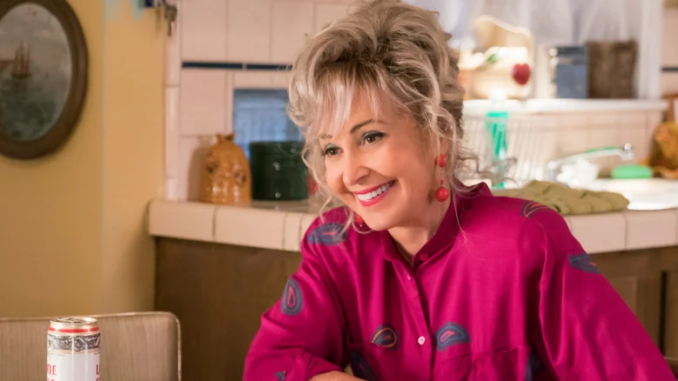
At first glance, it sounds almost rebellious. Why would an actress join a hit prequel series and deliberately ignore the original show that made it famous? Yet that’s exactly what Annie Potts did when she stepped into the role of Meemaw on Young Sheldon.
No binge-watching.
No studying future episodes.
No copying mannerisms.
And somehow—it worked brilliantly.
This article dives deep into why Annie Potts ignored The Big Bang Theory, how that decision shaped her performance, and why it might be the secret ingredient behind one of television’s most beloved characters.
Who Is Annie Potts? A Veteran Actress With Nothing to Prove
A Career Built on Confidence
By the time Annie Potts joined Young Sheldon, she wasn’t chasing validation. She had already built a rock-solid career spanning decades, with iconic roles in Ghostbusters, Designing Women, Pretty in Pink, and Toy Story.
Experience Shapes Instinct
When you’ve been acting that long, you trust your gut. Potts didn’t need a roadmap—she needed freedom. And that freedom started with one bold decision: ignoring The Big Bang Theory.
Understanding the Meemaw Timeline Problem
Two Versions of the Same Character
Here’s the tricky part: Meemaw already existed in The Big Bang Theory, played by June Squibb. That version of the character appears decades later in Sheldon’s life.
The Risk of Copying the Future
If Potts studied Squibb’s portrayal too closely, she risked turning young Meemaw into a carbon copy of an older woman who had lived an entirely different life.
That’s like trying to act like your 80-year-old self today. Awkward, right?
Why Annie Potts Made a Clean Creative Break
Protecting Character Authenticity
Potts wanted Meemaw to feel alive in the present, not chained to a future version. By ignoring The Big Bang Theory, she allowed the character to grow organically.
Letting the Script Lead
Instead of reverse-engineering personality traits, Potts focused on what was written—dialogue, situations, and relationships. The script became her compass.
The Philosophy Behind Her Decision
Acting in the Moment, Not the Outcome
Potts has openly shared that she didn’t want to play the “end result” of Meemaw. She wanted to play who this woman is right now, raising a daughter and helping shape a brilliant, complicated grandson.
Life Doesn’t Come With Spoilers
In real life, we don’t know how we’ll turn out. Potts mirrored that reality by refusing to look ahead.
How This Decision Shaped Meemaw’s Personality
Fearless, Not Frail
Unlike the softer, older Meemaw seen later in Sheldon’s life, Potts’ version is bold, sarcastic, and fiercely independent. That contrast feels intentional—and refreshing.
Humor With Teeth
Her Meemaw isn’t just funny; she’s sharp. The humor bites back. That edge might have been dulled if Potts tried to align too closely with the future version.
Why Fans Connected Instantly With Potts’ Meemaw
She Feels Real, Not Referenced
Viewers didn’t need to know The Big Bang Theory to love Meemaw. That’s a big win. Her character stands on her own, without inside jokes or callbacks.
A Grandmother Unlike the Stereotype
Forget knitting and cookies. This Meemaw gambles, drinks beer, and calls people out. Potts made her unforgettable by making her unapologetically human.
The Creative Freedom Granted by the Showrunners
Trust Between Actor and Producers
The producers of Young Sheldon trusted Potts completely. They didn’t demand mimicry—they encouraged originality.
Why That Trust Paid Off
Instead of a nostalgic imitation, audiences got a fully realized character. Ratings soared. Fans cheered. Critics praised.
Comparing Meemaw Across Both Shows (Without Copying)
Same Roots, Different Seasons of Life
Think of Meemaw like a tree. The roots are the same, but the branches grow differently over time. Potts focused on the roots—strength, love, stubbornness.
Growth Happens Naturally
By not forcing alignment, the character’s evolution feels believable when viewers eventually connect both versions.
Why This Approach Is Rare in Television
Most Actors Study Everything
In spin-offs and prequels, actors often obsess over continuity. That pressure can lead to stiff performances.
Potts Chose Courage Over Caution
Ignoring the original show wasn’t lazy—it was brave. She trusted her instincts, and that confidence shines through every scene.
The Impact on Young Sheldon’s Overall Tone
Grounding the Show Emotionally
Meemaw acts as an emotional anchor. Her authenticity balances Sheldon’s eccentric genius and Mary’s strict parenting.
A Voice of Reason—and Chaos
Sometimes she’s the wisest person in the room. Sometimes she’s the wild card. That unpredictability keeps the show fresh.
What Actors and Creators Can Learn From This
Originality Beats Imitation
Potts proved that honoring a universe doesn’t mean copying it. Original interpretations can enrich a franchise.
Trust the Writing—and Yourself
Her approach reminds creatives everywhere: do the work, then let go.
Why Ignoring the Past Strengthened the Franchise
Expanding the Universe Instead of Shrinking It
By creating a distinct Meemaw, Young Sheldon expanded the Big Bang universe instead of trapping it in nostalgia.
Room for Growth and Surprise
Fans didn’t know exactly what to expect—and that made watching more exciting.
The Long-Term Payoff for Annie Potts
A Career-Defining Late Role
Meemaw introduced Potts to a new generation of fans. Not bad for a role she shaped by not studying.
Legacy Through Authenticity
Sometimes the best way to honor a story is to tell your own version of it.
Conclusion: Ignoring the Obvious Was the Smartest Move
Annie Potts didn’t ignore The Big Bang Theory out of disrespect—she ignored it out of respect for storytelling. By choosing presence over prediction, she created a Meemaw that feels bold, real, and unforgettable.
In a world obsessed with references and callbacks, Potts reminded us of something powerful: great characters live in the moment.
And honestly? That’s why we can’t imagine Young Sheldon without her.
Frequently Asked Questions (FAQs)
1. Did Annie Potts ever watch The Big Bang Theory at all?
Yes, she was aware of it but chose not to study it closely for character preparation.
2. Was this decision approved by the producers?
Absolutely. The showrunners supported her creative independence.
3. Is Meemaw in Young Sheldon supposed to match the older version?
Not exactly. She’s meant to be the same person at a very different stage of life.
4. Did fans criticize the difference between the two Meemaws?
Most fans praised the fresh take and embraced Potts’ portrayal.
5. Did this choice affect the show’s success?
Many believe it strengthened the show by making Meemaw a standout character.