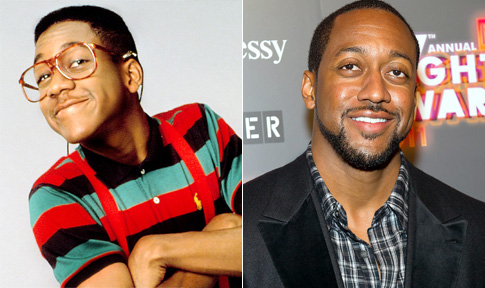
Few television characters are as instantly recognizable as Steve Urkel, the high-pitched, suspenders-wearing neighbor who transformed Family Matters from a modest family sitcom into a pop-culture juggernaut. At the center of that transformation was Jaleel White, whose performance propelled the show to unprecedented popularity—and quietly reshaped its internal dynamics.
White joined Family Matters as a guest star intended for a single appearance. Audience response was overwhelming, and producers quickly expanded Urkel’s role. By the show’s later seasons, the character had become its defining element, eclipsing the Winslow family that initially anchored the narrative. While ratings soared, the shift reportedly created tension behind the scenes.
In later interviews, White has acknowledged that Urkel’s dominance altered relationships among the cast. Ensemble shows rely on balance, and the rapid elevation of one character can disrupt that equilibrium. Although White has avoided naming specific conflicts, he has described an environment where creative priorities changed faster than personal dynamics could adapt.
Cast members found themselves navigating a new hierarchy, with storylines increasingly centered on Urkel’s antics rather than family-driven plots. Industry observers note that such shifts are common when a breakout character emerges, but they can leave other actors feeling marginalized. White has said he often felt caught in the middle—benefiting professionally while sensing unspoken resentment.
The pressure placed on White was immense. As a young actor, he became responsible for sustaining the show’s success, carrying a character that demanded extreme physical comedy and vocal strain. He has since spoken about exhaustion and the difficulty of separating himself from Urkel’s exaggerated persona. “People didn’t see me,” he once reflected, “they saw Urkel.”
After Family Matters ended, White struggled to escape typecasting. Offers were limited, and many roles mirrored the awkward genius archetype audiences associated with him. This challenge, he argues, was a direct consequence of Urkel’s cultural saturation. While grateful for the opportunity, White has admitted that the character’s shadow loomed large over his post-sitcom career.
In recent years, White has taken a more reflective tone, acknowledging both the benefits and costs of Urkel’s success. He has praised the show’s impact on representation and humor while encouraging honest conversations about how fame can distort creative environments. His comments have reignited fan discussions about whether Family Matters lost part of its original heart in exchange for mainstream popularity.
Today, White embraces his legacy with cautious pride. He participates in retrospectives and discussions about potential revivals while emphasizing that any future project must honor the ensemble nature of the original concept. His story remains a compelling case study in how one character can redefine a series—and the lives of those who bring it to life.