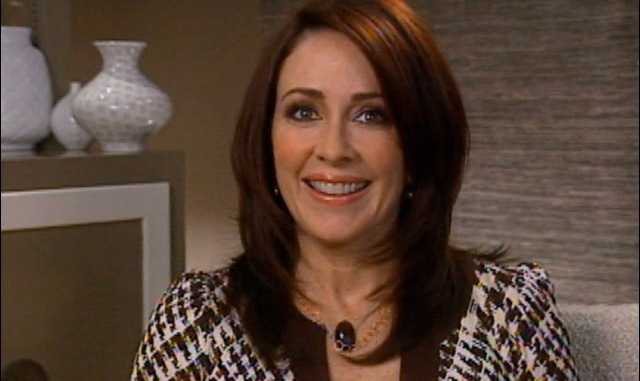
Patricia Heaton’s portrayal of Debra Barone earned her critical acclaim and multiple awards, yet the character’s long-term legacy has become increasingly controversial. As audiences revisit Everybody Loves Raymond through streaming, Debra’s role as the perpetually frustrated wife has sparked renewed debate about gender dynamics, emotional labor, and the limits of sitcom feminism.
Debra Barone was not a passive sitcom spouse. She argued, pushed back, and openly expressed resentment—traits that set her apart from earlier television wives. However, her resistance was often neutralized by the show’s structure. No matter how justified her anger, Debra rarely “won.” The joke frequently landed on her emotional intensity rather than Ray’s irresponsibility.
Heaton’s performance walked a narrow line. She brought intelligence and realism to Debra, grounding scenes that might otherwise have drifted into caricature. Yet the writing often placed Debra in a perpetual state of dissatisfaction, framing her as difficult rather than exhausted. Feminist critics later described the character as a cautionary example of how women’s anger is rendered comedic.
Off-screen, Heaton has had a complex relationship with the role. She has expressed pride in Debra’s honesty while acknowledging that the show reflected traditional marital power imbalances. As social conversations around marriage and gender evolved, Heaton’s own public statements—particularly her outspoken political and religious views—added new layers of controversy.
Some viewers struggled to separate Debra from Heaton herself, projecting the character’s frustrations onto the actress. This conflation underscores a broader issue in television: when female characters are defined by emotional labor, actresses often absorb the audience’s discomfort.
In recent years, Heaton has embraced projects that allow her greater agency, often playing women with authority rather than domestic confinement. Her career choices suggest a conscious move away from the limitations Debra represented, even as the role remains her most iconic.
Debra Barone now exists as a cultural artifact—a snapshot of late-1990s feminism constrained by mainstream comedy. Heaton’s performance ensured the character’s humanity, even when the narrative undercut her. In doing so, she created one of television’s most honest—and unresolved—portraits of marital inequality.