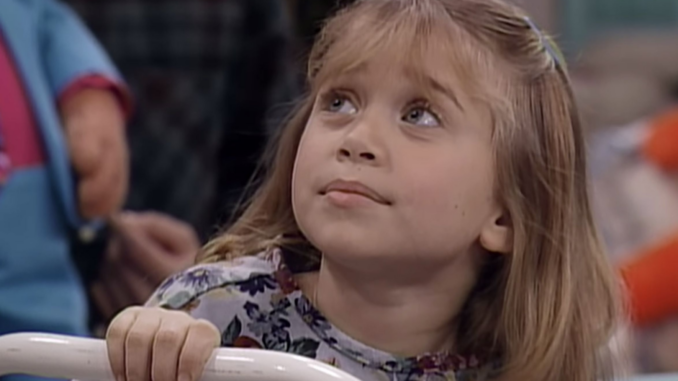
Full House Cast Reveals the Olsen Twin Who Didn’t Like Filming the Sitcom
For decades, Full House has been the comfort show people return to when life feels a little too loud. It’s warm, predictable, and full of smiling faces—including the tiniest stars of them all, Mary-Kate and Ashley Olsen. But behind those iconic baby giggles and matching outfits lies a truth fans rarely heard—until now.
Jodie Sweetin and Andrea Barber, who played Stephanie Tanner and Kimmy Gibbler, recently revealed that one Olsen twin didn’t actually enjoy filming the sitcom. Yep, the show that defined a generation wasn’t always fun for everyone involved.
So which twin struggled? Why did it matter? And what does this revelation tell us about child stardom? Let’s unpack the story that has fans talking—and rethinking everything they thought they knew about Full House.
A Beloved Sitcom With Hidden Realities
From the outside, Full House looked like pure joy. A loving family, laugh tracks, and wholesome lessons wrapped up in 22-minute episodes. But like most long-running TV shows, the real story behind the cameras was more complex.
Jodie Sweetin and Andrea Barber spent their formative years on that set. They grew up under bright lights, strict schedules, and constant expectations. So when they talk about what really went on, it’s not gossip—it’s lived experience.
And this time, the spotlight is on the Olsen twins.
Which Olsen Twin Didn’t Like Filming Full House?
According to Sweetin and Barber, Mary-Kate Olsen was the twin who didn’t enjoy filming as much.
While Ashley often appeared more comfortable and cheerful on set, Mary-Kate reportedly struggled with the demands of filming at such a young age. The cameras, the repetition, the structured environment—it wasn’t always a happy place for her.
Think about it. Most kids that age are learning to walk and talk, not hitting marks and smiling on cue.
Why Ashley and Mary-Kate Had Different Experiences
It’s easy to forget that twins are still individuals. Even identical twins can react very differently to the same environment.
Ashley seemed more at ease with the routine of filming. Mary-Kate, on the other hand, was more sensitive to the pressure. And that difference showed up early.
The production team often relied on switching twins when one became overwhelmed. That system worked—but it didn’t erase the emotional toll.
The Pressure of Growing Up on Camera
Imagine your childhood documented forever. Every awkward moment. Every tired day. Every tear.
That was reality for the Olsen twins.
Jodie Sweetin has openly discussed her own struggles as a child star, so her perspective carries weight. She understands firsthand that fame at a young age can feel less like a gift and more like a job you didn’t choose.
Mary-Kate’s discomfort wasn’t a flaw—it was a natural response.
Andrea Barber’s Honest Take on Child Stardom
Andrea Barber, who joined the show slightly later, observed the twins from a different angle. She noticed that while the twins were treated kindly, the environment wasn’t designed for emotional development—it was designed for efficiency.
Barber has said that not loving the process didn’t mean Mary-Kate wasn’t talented. It just meant she was human.
That honesty is refreshing in an industry that often glosses over the cost of early fame.
Why This Revelation Resonates With Fans Today
This confession hits differently now because conversations around mental health and child labor have evolved.
Back in the late ’80s and early ’90s, few people questioned whether child actors enjoyed their work. Today, we ask better questions—and we listen more carefully to the answers.
Mary-Kate’s experience feels relatable. Who hasn’t been pushed into something they didn’t fully understand or enjoy?
Full House Was a Job—Even for Toddlers
It’s easy to romanticize the past, but the truth is simple: Full House was a workplace.
There were call times, retakes, lighting adjustments, and expectations. For adults, that’s normal. For toddlers? It can be overwhelming.
Mary-Kate’s discomfort reminds us that success doesn’t always equal happiness, especially when it starts before you can even speak.
How the Cast Protected the Olsen Twins
One comforting detail shared by Sweetin and Barber is how the older cast members tried to shield the twins.
Bob Saget, John Stamos, and Dave Coulier often joked around to lighten the mood. They treated the twins like little sisters, not props.
Still, even the best intentions can’t fully erase the stress of working at such a young age.
Why Mary-Kate’s Feelings Were Valid
There’s a tendency to dismiss child discomfort with phrases like “they won’t remember” or “they’re lucky.”
But Mary-Kate’s reaction proves something important: kids feel pressure, even if they can’t articulate it.
Her resistance wasn’t misbehavior. It was communication.
And listening to that now feels long overdue.
How This Shaped the Olsen Twins’ Future Choices
Fast forward a few years, and the Olsen twins took control of their careers. They moved behind the scenes, built a fashion empire, and eventually stepped away from acting altogether.
Mary-Kate’s early discomfort may explain why both twins chose privacy over continued fame.
When you start working before you can consent, stepping away later becomes an act of self-preservation.
Jodie Sweetin’s Perspective as a Former Child Star
Sweetin’s honesty carries extra depth because she’s been open about her own post-Full House struggles.
She knows that early fame can distort identity. When she speaks about Mary-Kate, it’s not judgment—it’s empathy.
She understands that loving the people doesn’t always mean loving the process.
Why Fans Are Rethinking Full House
This revelation doesn’t ruin Full House. If anything, it adds nuance.
Fans aren’t turning away from the show—they’re watching it with more awareness. Those cute Michelle Tanner moments now come with a deeper understanding of what was happening behind the scenes.
And that understanding fosters compassion, not criticism.
The Bigger Conversation About Child Actors
Mary-Kate’s experience opens the door to a broader discussion about how the entertainment industry treats children.
Today, there are more protections, more conversations, and more accountability. But stories like this remind us why those changes matter.
No amount of fame should come at the cost of a child’s well-being.
Why This Story Matters Beyond Full House
This isn’t just about one sitcom or one twin.
It’s about listening when someone says, “This doesn’t feel right.” Even if the outside world thinks they’re lucky. Even if the smiles look convincing.
Mary-Kate’s story echoes in schools, families, and workplaces everywhere.
Fans React With Empathy, Not Shock
Interestingly, most fans didn’t react with outrage—they reacted with understanding.
Many said the revelation made them respect Mary-Kate more. Others shared their own stories of being pushed into activities they didn’t enjoy as kids.
That shared vulnerability is powerful.
What We Can Learn From This Honest Moment
If there’s one takeaway, it’s this: success should never silence discomfort.
Jodie Sweetin and Andrea Barber didn’t share this story to stir drama. They shared it to tell the truth—and to remind us that even the happiest-looking stories have layers.
Conclusion: A Fuller Picture of Full House
Full House will always be a symbol of warmth, family, and comfort. But thanks to Jodie Sweetin and Andrea Barber, we now see the fuller picture—one that includes honesty, complexity, and compassion.
Knowing that Mary-Kate Olsen didn’t love filming the show doesn’t tarnish its legacy. It humanizes it. It reminds us that behind every smile on screen is a real person with real feelings.
And sometimes, the most important stories are the ones told years later—when everyone is finally ready to listen.
FAQs
1. Which Olsen twin didn’t like filming Full House?
Mary-Kate Olsen reportedly struggled more with filming and didn’t enjoy it as much as Ashley.
2. Why didn’t Mary-Kate like filming the show?
She found the structured environment and constant filming overwhelming at such a young age.
3. Did the cast know about this at the time?
Yes, older cast members noticed differences and tried to make the twins comfortable on set.
4. Did this affect the Olsen twins’ later career choices?
It may have influenced their decision to step away from acting and focus on fashion and privacy.
5. Does this change how fans see Full House?
For many fans, it adds depth and understanding rather than diminishing their love for the show.