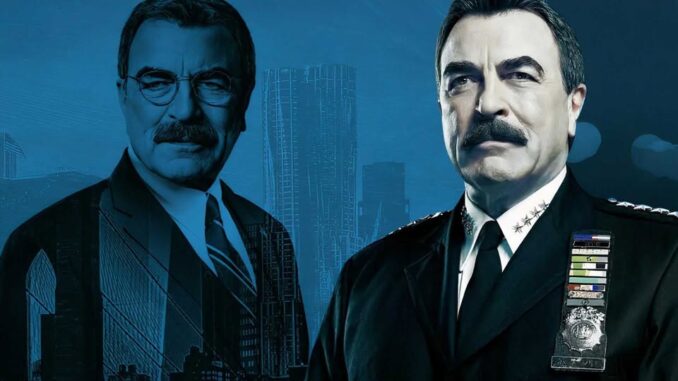
Tom Selleck spent more than a decade bringing quiet authority and moral weight to Blue Bloods, and when the curtain finally fell, the goodbye wasn’t easy. For Selleck, the end of the long-running CBS drama felt less like a natural finale and more like an abrupt farewell. Years later, that feeling still lingers—especially as the franchise continues to grow without him.
For fourteen seasons, Selleck’s Frank Reagan wasn’t just a character; he was the backbone of the series. Viewers tuned in weekly for the familiar rhythm of family dinners, ethical debates, and steady leadership. That consistency turned Blue Bloods into comfort television for millions, and it gave Selleck a role that blended purpose with longevity in a way few actors ever experience.
When the show ended, Selleck made it clear he wasn’t ready to move on. Ratings remained solid, fan loyalty was unwavering, and the cast chemistry was intact. From his perspective, there was still plenty of story left to tell. Losing that platform felt personal, not procedural.
What makes the sting sharper is watching the Blue Bloods spinoff find success. Selleck has openly admitted that seeing the franchise thrive without the original series—and without Frank Reagan at its center—is “not a great feeling.” It’s an honest reaction that many can relate to. Success doesn’t always soothe loss; sometimes it highlights what’s missing.
The spinoff works because it borrows the DNA that Blue Bloods perfected: law enforcement drama grounded in family, values, and consequence. Fans recognize the tone immediately. Yet even with strong performances and familiar themes, something essential feels absent to long-time viewers. Frank Reagan’s calm gravitas is difficult to replace.
For Selleck, the emotional weight goes beyond professional pride. After so many years, the role became part of his identity. Letting go wasn’t just about losing a job; it was about losing a daily routine, a creative family, and a character who mirrored the values he portrayed so convincingly.
Despite a career filled with iconic roles—from Magnum, P.I. to film classics—Blue Bloods occupies a unique place in Selleck’s story. It arrived at a stage of life when stability mattered more than ambition, offering consistency and meaning rather than reinvention. That’s why its ending hits differently.
Fans continue to voice their disappointment. Social media remains filled with calls for Frank Reagan’s return, even if only for a cameo. The affection hasn’t faded, and that enduring support both validates Selleck’s feelings and makes the loss harder to accept.
The situation also reflects a broader reality in Hollywood, where veteran actors can feel sidelined even while audiences still crave familiar faces. Experience brings depth, and depth was one of Blue Bloods’ greatest strengths. Many viewers believe the show ended not because it failed, but because the industry moved on too quickly.
Whether Tom Selleck ever returns to the franchise remains uncertain. For now, the door appears closed, but not locked. A future appearance could offer closure—for fans and for the man who helped define the series.
In the end, Tom Selleck’s reaction isn’t about resentment. It’s about attachment, legacy, and the complicated emotions that surface when something meaningful ends before you’re ready. Watching the spinoff succeed doesn’t erase the ache. It simply reminds him—and the audience—of what made Blue Bloods special in the first place.