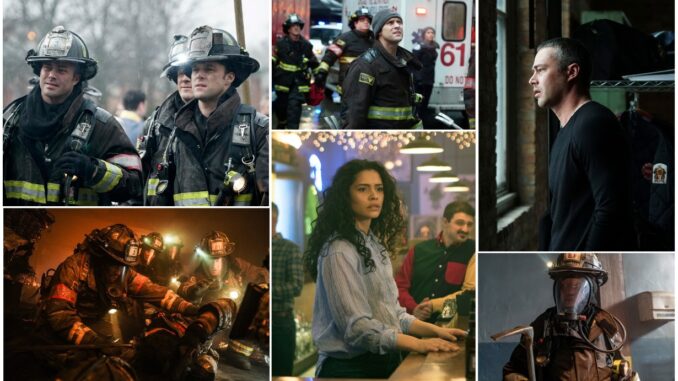
The Most Dramatic Firefighting Scenes in Chicago Fire You Shouldn’t Miss
From the very first episode, Chicago Fire has proven that it’s not just another procedural drama. It’s a high-adrenaline, emotionally charged series that places its characters in life-or-death situations where every decision matters. Over the years, the show has delivered countless unforgettable firefighting scenes—moments so intense they still linger in fans’ minds long after the credits roll.
One of the most dramatic aspects of Chicago Fire is how it turns routine calls into catastrophic events. What begins as a standard rescue often spirals into chaos, forcing Firehouse 51 to adapt on the fly. Explosions, structural collapses, and unpredictable fire behavior keep both the characters and viewers constantly on edge.
The high-rise inferno episodes stand out as some of the show’s most gripping moments. Flames racing upward, stairwells filled with smoke, and trapped civilians push the firefighters to their physical and emotional limits. These scenes capture the sheer scale of danger and the terrifying reality of fighting fires where escape routes disappear in seconds.
Another unforgettable category involves rescues gone wrong. Chicago Fire doesn’t shy away from showing how quickly heroism can turn into tragedy. Firefighters pinned under debris, oxygen tanks running out, or radios going silent create heart-stopping moments where hope hangs by a thread. These scenes remind viewers that bravery doesn’t guarantee survival.
Explosions are another signature element that elevate the drama. Whether it’s a gas leak, a factory accident, or a hidden accelerant, the sudden blast often changes everything in an instant. The shockwaves don’t just shatter buildings—they test leadership, teamwork, and emotional resilience inside Firehouse 51.
Some of the most powerful firefighting scenes are deeply personal. When one of their own is in danger, the stakes feel even higher. Watching teammates risk everything to save each other transforms an action sequence into an emotional gut punch. These moments define the family bond that makes Chicago Fire resonate so strongly.
The pressure valve storyline and similar technical emergencies showcase the show’s brilliance in using small details to create massive tension. A single malfunction can trigger a chain reaction, turning a controlled situation into a nightmare. These scenes highlight how firefighting is as much about precision and knowledge as it is about courage.
Winter rescues add another layer of intensity. Fires combined with freezing temperatures, ice-covered streets, and limited visibility create brutal conditions. These episodes emphasize endurance and sacrifice, showing firefighters battling not just flames, but the elements themselves.
Mass-casualty incidents remain some of the most emotionally overwhelming scenes in the series. Multiple victims, limited resources, and impossible choices force firefighters to confront the harsh reality that they can’t save everyone. The aftermath—silent looks, shaken hands, and unspoken grief—often hits harder than the fire itself.
What truly makes these scenes unforgettable is the emotional fallout that follows. Chicago Fire doesn’t reset after the flames are out. Trauma carries over, shaping characters long after the rescue ends. That continuity gives weight to every blaze and makes each dramatic moment feel earned.
In the end, the most dramatic firefighting scenes in Chicago Fire aren’t just about spectacular visuals. They’re about sacrifice, fear, loyalty, and resilience. These moments define the series and explain why fans keep coming back—because every fire tells a story, and every story leaves a mark.