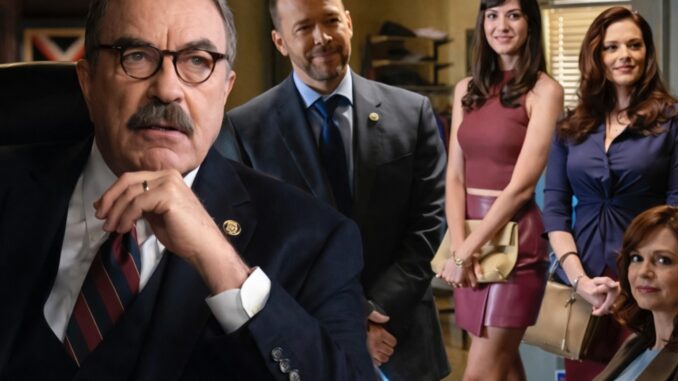
Blue Bloods has remained a fan favorite for many years, but even the most loyal viewers admit the show has its flaws. Loving a long-running series doesn’t mean ignoring what doesn’t work. In fact, many fans criticize Blue Bloods precisely because they care so deeply about it. Over time, certain patterns and choices have become harder to overlook.
One of the biggest complaints from fans is how repetitive the Reagan family dinner scenes feel. While these moments were once powerful and emotional, they eventually became predictable. Viewers know exactly how the conversation will unfold, with clashing opinions leading to Frank Reagan delivering the final moral takeaway. Fans don’t want the dinners removed, but they wish the writers would shake things up more often.
Another issue fans often mention is that Frank Reagan almost always ends up being right. As the moral center of the show, Frank is respected and admired, but conflicts lose tension when his viewpoint consistently wins. Many viewers wanted to see him challenged in ways that didn’t conveniently validate his position every time.
The show’s approach to social and ethical issues also frustrates some fans. Blue Bloods frequently addresses real-world topics, but longtime viewers say these issues are sometimes presented too simply. Instead of exploring multiple sides in depth, episodes often wrap up with a clear moral lesson, which can feel preachy rather than thought-provoking.
Danny Reagan’s character arc is another common complaint. His anger, rule-breaking, and emotional intensity were compelling early on, but fans feel his character hasn’t evolved. Episode after episode, Danny faces similar problems with little lasting change, leaving viewers wishing for growth or deeper self-reflection.
Jamie and Eddie’s relationship disappointed some fans after initially showing great promise. Before they became a couple, their chemistry felt natural and exciting. Once they got together, many viewers felt their dynamic became flat and less engaging, as if the writers struggled to keep their relationship interesting.
Fans also point out how many supporting characters are underused or abruptly written out. New partners, colleagues, and side characters often appear briefly and then disappear without explanation. This lack of continuity makes the world of Blue Bloods feel less realistic and less emotionally invested.
Erin Reagan’s storyline is another sore spot. Although she is intelligent and principled, fans feel her character growth has stalled. Her personal and professional struggles rarely lead to lasting change, making her storylines feel repetitive and unresolved.
Another frustration is how quickly conflicts are resolved. High-stakes situations are introduced, only to be neatly wrapped up by the end of the episode. Fans say this makes dramatic moments feel rushed and lowers the emotional impact.
Many viewers also feel the show plays things too safe. Blue Bloods sticks closely to its formula, which provides comfort but limits creativity. Fans often wish the series would take bigger risks or allow long-term consequences to carry across multiple episodes or seasons.
Despite these complaints, fans continue to watch because the core of the show still works. The Reagan family dynamic, strong performances, and sense of tradition keep viewers emotionally connected. Even when certain elements become frustrating, Blue Bloods remains familiar and comforting.
In the end, the things fans can’t stand about Blue Bloods don’t outweigh what they love about it. The criticisms come from loyalty, not dislike. For many viewers, pointing out the flaws is simply part of caring about a show that has been part of their lives for years.