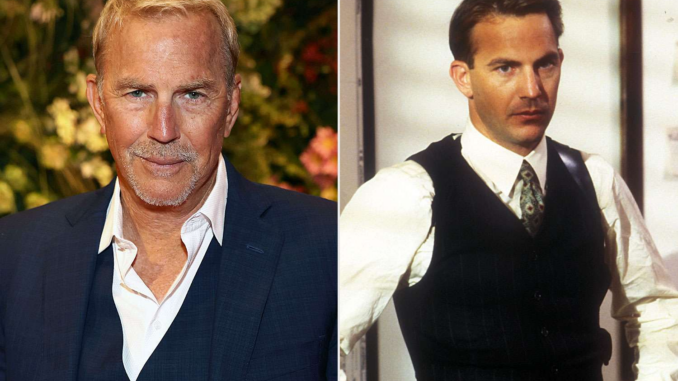
In Yellowstone, Kevin Costner’s John Dutton does not lead with speeches or grand gestures. He leads with silence, control, and the quiet certainty of a man who believes the land defines everything. This article explores how Costner’s restrained performance anchors the series and turns John Dutton into one of modern television’s most complex patriarchs.
John Dutton: A Man Built by Land
John Dutton is not driven by money or status. His identity is rooted in ownership—of land, legacy, and family. Kevin Costner portrays him as a man who speaks little because he believes explanation is weakness.
Rather than emotional expression, Dutton relies on authority. Costner’s performance emphasizes posture, pauses, and measured eye contact, making John Dutton feel intimidating without ever raising his voice.
Leadership Through Control
John Dutton governs his ranch the same way he governs his family: firmly, selectively, and without apology. Costner avoids making the character sympathetic in obvious ways. Instead, he allows audiences to wrestle with Dutton’s morality.
This ambiguity is central to Yellowstone. Dutton protects his land at all costs, even when those costs include manipulation, violence, and emotional neglect.
A Patriarch Out of Time
John Dutton represents an older worldview struggling to survive in a changing America. Costner’s age and presence add weight to this theme. He is not evolving—he is resisting.
The tension between tradition and inevitability drives both the character and the show.
Conclusion
Kevin Costner’s John Dutton is compelling because he is unyielding. His power comes not from action, but from refusal—to bend, to explain, or to let go. That stubborn stillness is the heart of Yellowstone.