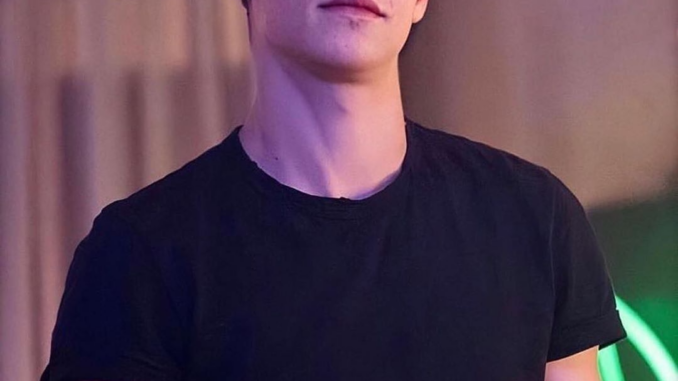
Hardin Scott has been labeled many things since the After series began: toxic, passionate, destructive, irresistible. But the word that follows him most closely is “bad boy.” The question is — does Hardin truly fit that label, or is he something far more complicated?
And maybe more importantly: do fans actually love the bad-boy vibe… or the pain behind it?
The Classic Bad Boy Image
On the surface, Hardin checks every bad-boy box. He’s emotionally guarded, unpredictable, sharp-tongued, and allergic to vulnerability. He breaks rules, pushes boundaries, and often hurts the people closest to him. His intensity is magnetic — and dangerous.
This version of Hardin is what initially pulls Tessa in. He’s the chaos she never planned for, the temptation she can’t walk away from. For many fans, this raw, reckless energy is exactly what made the early films so addictive.
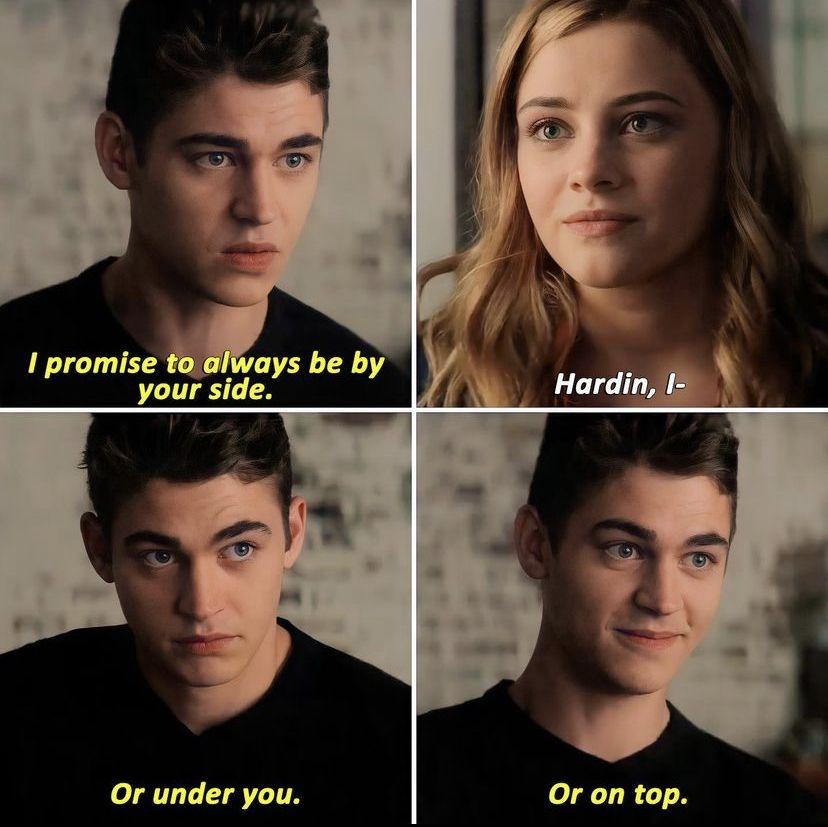
Where the Label Starts to Crack
But as the series unfolds, the “bad boy” image begins to fracture. Hardin isn’t cruel for fun. His anger is rooted in trauma, abandonment, and a deep fear of being unlovable. Every outburst feels less like rebellion and more like self-sabotage.
True bad boys rarely reflect. Hardin does — painfully so. He regrets. He spirals. He tries, fails, and tries again. That emotional awareness complicates the label fans are so quick to attach to him.
Is He Toxic — Or Just Human?
There’s no denying Hardin’s behavior crosses lines. The series never fully excuses it. But it also refuses to reduce him to a stereotype. His growth is slow, uneven, and uncomfortable — which makes it feel real.
This is where fans divide.
Some argue that the bad-boy trope romanticizes toxic behavior. Others see Hardin as a flawed character learning how not to hurt the people he loves. The tension between those two interpretations is what keeps conversations alive long after the films end.
Why Fans Are Still Drawn to His Vibe
Hardin’s appeal isn’t just about rebellion. It’s about vulnerability hidden beneath aggression. The moments where his defenses crack — when he’s quiet, remorseful, or unsure — are often the most powerful.
That contrast is the “vibe” many fans respond to: strength mixed with fragility, confidence masking fear. It’s not safe. It’s not ideal. But it’s compelling.
So… Do You Like This Kind of Bad Boy?
Hardin Scott isn’t a fantasy without consequences. He’s a reminder that intensity can be intoxicating — but also exhausting. Loving someone like him means navigating passion and pain side by side.
And that’s the real question the After series leaves with its audience:
Do you love the bad boy because he’s dangerous… or because you believe he can change?
Either way, Hardin’s vibe continues to divide — and that may be why he remains unforgettable.