Saying Goodbye to a Television Landmark
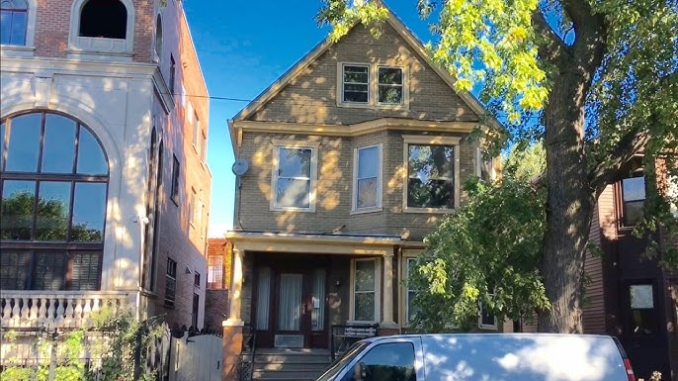
If walls could talk, the Winslow house would have a lot to say. For millions of fans, that home wasn’t just a filming location—it was a symbol of warmth, laughter, discipline, and unconditional love. Now, that piece of television history is gone.. The real-life house used as the exterior for Family Matters has officially been demolished, and fans are feeling the loss like a punch to the gut.
Why does a house matter so much? Because for years, it felt like home to all of us.
Why the Winslow House Meant So Much to Fans
The Winslow home represented stability. It was where Carl laid down the law, Harriette held the family together, Laura rolled her eyes, Eddie messed up, and Steve Urkel crashed through the door yelling his iconic line.
That house wasn’t fancy. It wasn’t flashy. But it felt real. And that’s why its disappearance stings.
Where the Real Family Matters House Was Located
The real Winslow house was located in Chicago, Illinois—fitting for a show deeply rooted in working-class American values. While the interior scenes were filmed on a soundstage, the exterior shots used a real residential home.
For fans, that address became sacred ground. Some even traveled just to take photos in front of it, like visiting a childhood memory frozen in time.
The Demolition: What Actually Happened
The house didn’t fall overnight. Like many historic properties, it faced years of neglect, ownership changes, and redevelopment pressure. Eventually, the decision was made to tear it down.
No dramatic farewell. No preservation effort. Just machinery and rubble where a TV icon once stood.
Sometimes history doesn’t get a proper goodbye.
Why Wasn’t the Winslow House Preserved?
You might be wondering—why didn’t someone save it?
Preservation costs money. Unless a property is officially protected or funded by a dedicated group, it’s vulnerable. Unlike famous landmarks turned museums, the Winslow house remained a private residence for years.
Nostalgia alone doesn’t pay property taxes.
Fan Reaction: Grief, Anger, and Nostalgia
When news of the demolition surfaced, fans reacted fast. Social media filled with throwback clips, emotional posts, and disbelief.
People weren’t just mourning a building—they were mourning a feeling. A time when life felt simpler and TV families felt like real ones.
The House as a Symbol of 90s Sitcom Culture
In the 90s, sitcom homes were characters themselves. Think about it—the Full House living room, the Fresh Prince mansion, the Roseanne couch.
The Winslow house belonged in that hall of fame. Its front steps, brick exterior, and familiar doorway were burned into pop culture memory.
Family Matters and Its Enduring Legacy
Family Matters wasn’t just a comedy. It tackled serious issues—race, responsibility, discipline, and love—without losing its humor.
The Winslow house was the setting where those lessons unfolded. Losing it feels like losing the stage where important conversations once happened.
Why Physical TV Landmarks Matter
Digital streaming keeps shows alive, but physical landmarks make them tangible. They remind us that these stories existed beyond screens.
When a landmark disappears, it creates a strange emptiness—like revisiting your childhood neighborhood and realizing everything has changed.
Can Nostalgia Survive Without the Structure?
Absolutely. While the house is gone, the memories remain. Episodes still stream. Quotes still circulate. The Winslows still live in our hearts.
But there’s something irreplaceable about knowing a place still exists in the real world.
The Rise and Fall of Sitcom Filming Locations
Many iconic TV homes have met similar fates. Urban development doesn’t pause for pop culture.
The demolition of the Winslow house is part of a larger pattern—one where entertainment history often loses to modern real estate priorities.
What Replaced the Winslow House?
As with many demolished properties, the land is expected to be redeveloped. New construction will rise where laughter once echoed.
Progress moves forward—but it doesn’t always look back.
Why This Loss Feels Personal
Here’s the truth: we didn’t just watch Family Matters. We grew up with it.
The Winslow house was present during homework afternoons, family dinners, and weekend reruns. Losing it feels like losing a familiar anchor in time.
Could the House Have Been Saved?
With enough funding, awareness, and early intervention—maybe. But preservation requires action before demolition notices go up.
Unfortunately, by the time fans learned what was happening, it was already too late.
What This Teaches Us About Preserving Pop Culture
If we value these landmarks, we need to treat them like the history they are. That means documentation, advocacy, and education.
Because once they’re gone, all we have left are screenshots and memories.
The Winslow Home Lives On—Just Not Physically
The house may be gone, but its spirit remains. Every rerun, every quote, every nostalgic laugh keeps it alive in a different way.
Sometimes home isn’t a place—it’s a feeling.
Conclusion: Goodbye to the House That Raised a Generation
The demolition of the real Family Matters house marks the end of a quiet era. It’s a reminder that time moves forward whether we’re ready or not.
But while the bricks are gone, the bond remains. The Winslow home may no longer stand in Chicago, but it still stands tall in television history—and in our hearts.
And maybe that’s what truly matters.
FAQs
1. Was the Family Matters house a real home?
Yes, the exterior shots were filmed using a real residential house in Chicago.
2. Were interior scenes filmed inside the real house?
No, interior scenes were filmed on a studio set.
3. Why was the Winslow house demolished?
The property faced redevelopment and was not officially preserved as a historic site.
4. Can fans still visit the Family Matters house location?
The original structure no longer exists, though the land remains accessible.
5. Does this affect the Family Matters legacy?
Not at all. The show’s cultural impact and emotional connection remain strong.