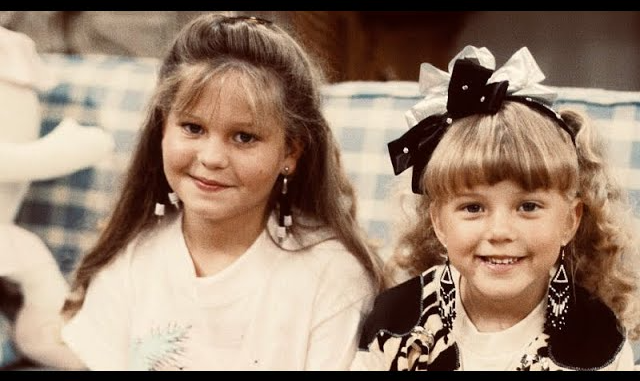
Same Living Room, Totally Different Lives
Walking back into the Tanner house in Fuller House felt like opening a time capsule—except the people inside had lived real lives in the meantime. DJ, Stephanie, and Kimmy returned, but they weren’t the girls we remembered. They were women shaped by loss, ambition, mistakes, and growth.
This isn’t just a comparison of two shows. It’s a story about how people change when life stops being simple. Let’s break down how DJ Tanner, Stephanie Tanner, and Kimmy Gibbler evolved from Full House to Fuller House—and why their transformations felt so real.
Why Comparing Full House and Fuller House Matters
At first glance, Fuller House looked like a nostalgic reboot. Same house. Same catchphrases. Same hugs at the end of the episode. But underneath the surface, something deeper was happening.
The women who once needed guidance were now the ones giving it. That role reversal is the heart of the comparison—and the reason fans connected so strongly.
DJ Tanner Then: The Responsible Big Sister
In Full House, DJ Tanner was the blueprint for responsibility. She followed rules, worried about everyone else, and often acted like a third parent.
She was dependable, cautious, and emotionally mature beyond her years. DJ carried the weight of being the oldest—and it showed.
Back then, her biggest worries were school, boys, and keeping the peace.
DJ Tanner Now: The Single Mom Holding It Together
Fast forward to Fuller House, and DJ’s life looks very different. She’s a widowed mother of three, balancing grief, career pressure, and parenting—all under one roof.
This version of DJ still feels familiar, but she’s tougher now. Less idealistic. More human.
She’s not just responsible anymore—she’s resilient.
How Motherhood Changed DJ Tanner
Motherhood softened DJ in some ways and sharpened her in others. She learned to bend rules, embrace imperfection, and ask for help—something young DJ rarely did.
Her growth showed that strength doesn’t always mean control. Sometimes it means vulnerability.
Stephanie Tanner Then: The Wild Middle Child
Stephanie in Full House lived in the shadow of her older sister. She was loud, impulsive, and desperate to be seen.
She cracked jokes, pushed boundaries, and masked insecurity with humor. Her famous catchphrases weren’t just funny—they were armor.
She wanted attention because she needed reassurance.
Stephanie Tanner Now: The Free Spirit with Depth
In Fuller House, Stephanie returned as a confident, career-driven woman with emotional layers we hadn’t seen before.
She still had the sass. Still had the humor. But now it came with self-awareness.
Her storyline tackled adulthood realities like infertility and self-doubt—subjects the original show never explored.
Stephanie’s Journey from Loud to Grounded
Stephanie didn’t lose her spark—she refined it. Life taught her patience, empathy, and perspective.
Her transformation showed that growth doesn’t mean becoming quieter. It means becoming more honest.
Kimmy Gibbler Then: The Unfiltered Neighbor
Kimmy Gibbler in Full House was chaos in human form. Loud clothes. Zero filter. Socially awkward and proudly unaware.
She was often the punchline—but she never apologized for being herself.
Kimmy didn’t fit in, and she didn’t try to.
Kimmy Gibbler Now: The Fierce, Loving Mother
Fuller House gave Kimmy the development she always deserved. She returned as a devoted mother, loyal friend, and emotional anchor.
She was still eccentric—but now it felt intentional, not accidental.
Kimmy evolved without losing her identity. That balance made her transformation one of the most satisfying.
How Divorce and Parenthood Shaped Kimmy
Kimmy’s experiences with divorce and raising a daughter forced her to mature fast. She became protective, intuitive, and emotionally strong.
Her quirks remained, but they were grounded in love and purpose.
She wasn’t the joke anymore—she was the heart.
Friendship Dynamics: Then vs. Now
In Full House, DJ and Kimmy’s friendship was playful and surface-level. In Fuller House, it became deeper and more complex.
They supported each other through grief, parenting struggles, and major life decisions.
Stephanie’s role shifted too—from tagalong to equal partner in emotional support.
From Sisters to Co-Leaders
One of the biggest changes was leadership. In Fuller House, all three women shared responsibility equally.
There was no “main” adult. They leaned on each other, disagreed, compromised, and grew together.
That teamwork reflected real adulthood better than any lecture ever could.
How Career Choices Reflect Their Growth
DJ became a veterinarian—stable, nurturing, and practical. Stephanie pursued music—creative, risky, and expressive. Kimmy explored multiple paths while prioritizing family.
Their careers mirrored their personalities and showed how adulthood allows room for reinvention.
Emotional Intelligence: A Major Upgrade
The biggest shift between Full House and Fuller House wasn’t age—it was emotional intelligence.
The women communicated better, owned their mistakes, and showed empathy instead of judgment.
That evolution made the show feel relevant, not recycled.
Why Fans Related More to Fuller House
As fans aged, so did their problems. Fuller House spoke directly to adult experiences—loss, uncertainty, parenting fears, and personal reinvention.
DJ, Stephanie, and Kimmy became mirrors instead of role models. And that made all the difference.
Humor That Grew Up with the Characters
The humor shifted from slapstick to situational. Still funny—but smarter.
Jokes came from real-life chaos instead of exaggerated antics. It felt earned, not forced.
What Stayed the Same Despite the Changes
Even with all the growth, some things never changed:
-
Loyalty
-
Family-first values
-
Emotional openness
-
Willingness to show up
Those constants kept the soul of the original show alive.
Why Their Evolution Felt Authentic
The transformations weren’t overnight. They were layered, imperfect, and gradual—just like real life.
That authenticity is why fans accepted the changes instead of resisting them.
What Full House vs. Fuller House Teaches Us About Growing Up
Growing up doesn’t erase who you were—it builds on it.
DJ, Stephanie, and Kimmy didn’t abandon their younger selves. They integrated them.
That message hit home for viewers navigating their own adulthood.
Conclusion: Same House, Stronger Women
Comparing Full House and Fuller House reveals something powerful. DJ, Stephanie, and Kimmy didn’t just age—they evolved.
They became fuller versions of themselves. More complex. More resilient. More real.
And in doing so, they proved that growing up doesn’t mean losing magic—it means redefining it.
FAQs
Did DJ change the most between the two shows?
Yes. DJ’s transition into single motherhood added emotional depth and realism to her character.
Why was Stephanie’s storyline so impactful?
Because it addressed adult struggles like infertility and self-worth with honesty and sensitivity.
How did Kimmy improve as a character in Fuller House?
She gained emotional depth, maturity, and purpose while staying true to her quirky personality.
Was Fuller House more adult-focused than Full House?
Yes. It tackled mature themes while keeping the family-friendly tone.
Which character had the best transformation overall?
Many fans agree Kimmy’s growth was the most surprising and rewarding.