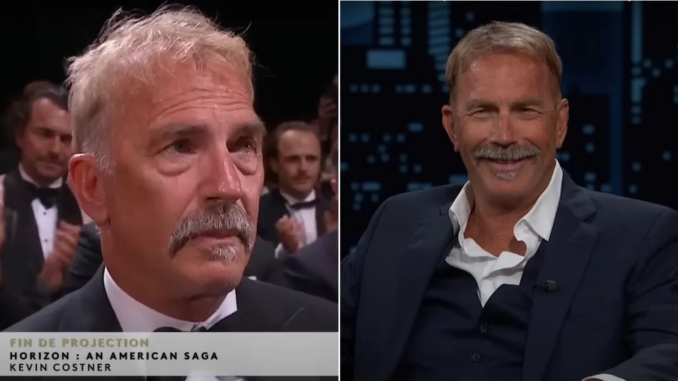
When Yellowstone premiered, it was immediately clear that the series was built around the presence of Kevin Costner. As John Dutton, Costner delivers not merely a performance, but a symbolic embodiment of the fading American patriarch—one rooted in land, authority, and moral absolutism. His casting bridges classic Western mythology with contemporary prestige television.
A Character Built on Legacy
John Dutton is defined by inheritance. He is less an individual than a vessel for generational obligation. Costner plays him with deliberate restraint, allowing silence, posture, and gaze to communicate power. This economy of expression aligns John with the Western archetype of the taciturn landowner, while grounding him in modern political conflict.
Authority Without Romance
Unlike traditional Western heroes, John Dutton is not romanticized. He is ruthless, strategic, and often emotionally distant. Costner resists sentimentality, portraying leadership as burden rather than glory. His John Dutton rules through calculation, not charisma, and the series allows audiences to sit with the discomfort of that authority.
The Costner Effect
Costner’s long cinematic association with frontier narratives lends Yellowstone immediate cultural weight. His presence signals continuity between Hollywood’s mythic past and television’s darker present. This intertextual resonance deepens the show’s exploration of land ownership, entitlement, and power.
Conclusion
Kevin Costner’s John Dutton stands as one of the most complex patriarchs in modern television. He is not a hero nor a villain, but a relic—dangerous precisely because he refuses to disappear.