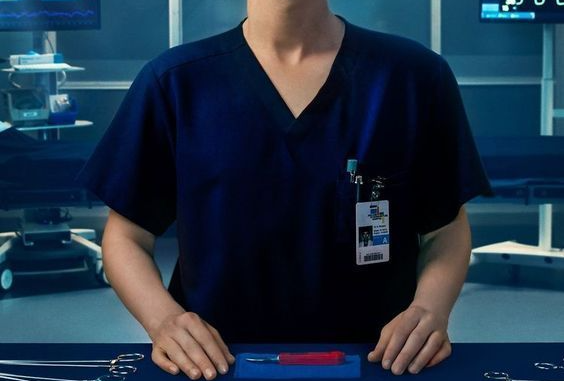
For years, Shaun Murphy was the heart of The Good Doctor.
He was the underdog viewers rooted for, the brilliant surgeon fighting a system that never made space for people like him. His victories felt earned. His struggles felt real.
But now, one uncomfortable question is splitting the fandom in half:
Has Shaun Murphy outgrown the story — or has the story outgrown Shaun?
As the series evolved, Shaun changed. He became more confident. More respected. More secure in his career and personal life. What once felt like survival slowly turned into stability — and for some fans, that shift changed everything.
The Shaun Murphy audiences first fell in love with was constantly underestimated. Every diagnosis felt like a battle. Every surgery was a risk. Watching him succeed meant watching the system bend, even slightly, in his favor.
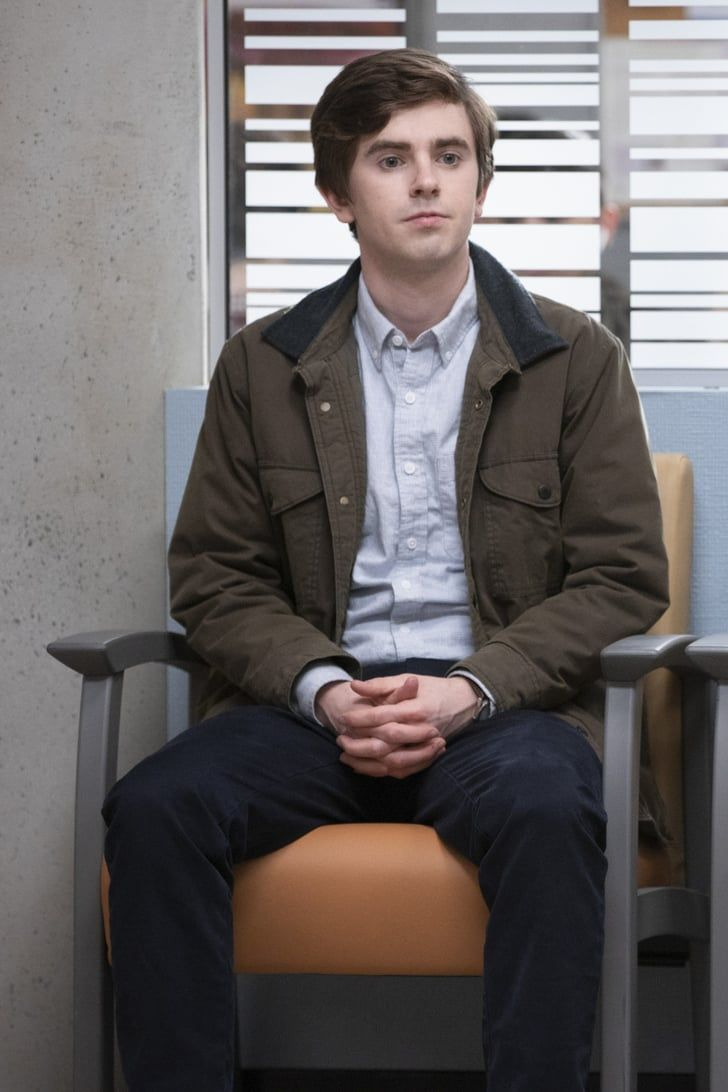
But the Shaun we see later is no longer fighting to belong.
He already belongs.
And that’s where the controversy begins.
Some viewers see this as powerful representation — proof that growth is possible, that a neurodivergent character doesn’t have to remain stuck in struggle to be compelling. Shaun’s evolution shows adulthood, leadership, marriage, and responsibility without erasing who he is.
Others see something else entirely.
They argue that as Shaun became more “functional” within the system, the show softened its edge. The raw tension that once defined The Good Doctor gave way to safer storytelling. The conflicts feel smaller. The stakes feel different. And Shaun’s mistakes — once central to the narrative — now feel quickly resolved.
This raises a difficult but necessary debate:
Is progress being mistaken for perfection?
Shaun Murphy was never meant to be inspirational just because he succeeded. He was compelling because the world didn’t change easily for him. When acceptance becomes the default, the story risks losing the friction that made it honest.
Yet, asking Shaun to remain an outsider forever would be its own failure.
So what’s the solution?
The most compelling version of The Good Doctor isn’t one where Shaun regresses — but one where his growth creates new, harder conflicts. Being respected means being held accountable. Being a leader means making decisions that affect others. And being stable doesn’t mean being unchallenged.
If the upcoming chapters truly want to test Shaun Murphy, they can’t rely on old obstacles. They have to ask deeper questions:
Can Shaun handle authority?
Can he fail publicly?
Can he be wrong — and still be trusted?
Shaun Murphy isn’t less interesting because he’s grown.
He’s more dangerous to the story if the show is afraid to push him.
And that’s why Shaun remains The Good Doctor’s most divisive character — not because he changed, but because viewers can’t agree on how much change is too much.
Love him or criticize him, one thing is undeniable:
As long as Shaun Murphy stands at the center of the hospital, The Good Doctor will never stop challenging what “normal” leadership really looks like.