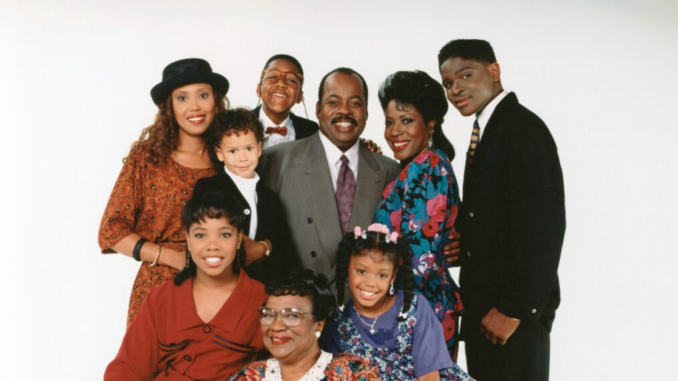
The Episode That Quietly Started a TV Revolution
Before the suspenders, before the snort-laugh, before “Did I do that?” became a national catchphrase, Family Matters began as something far simpler. The Family Matters pilot episode didn’t scream “iconic.” It whispered “relatable.” And that’s exactly why it worked.
What no one could predict—not the writers, not the network, not even the cast—was that one awkward neighbor would walk into the Winslow home and permanently change television history. Let’s rewind the tape and take a deep, nostalgic look back at where it all began and how Steve Urkel’s legacy became larger than anyone ever imagined.
The Origins of Family Matters
Family Matters didn’t start as a cultural juggernaut. It started as a spin-off.
A Spin-Off With Modest Expectations
The show emerged from Perfect Strangers, centering on Harriette Winslow’s family life. The goal was simple: tell grounded stories about a working-class family in Chicago.
A Focus on Family First
At its core, the series aimed to spotlight everyday struggles—parenting teens, balancing work, and keeping a household together.
Breaking Down the Family Matters Pilot Episode
The pilot episode set the tone in subtle but powerful ways.
A Realistic Family Dynamic
From the very first scenes, the Winslows felt authentic. They talked over each other. They disagreed. They laughed. It felt like walking into a real home.
Carl Winslow Takes Center Stage
Carl wasn’t a caricature. He was a hardworking police officer trying to keep his family safe and on track—while still figuring things out himself.
The Winslow Family as Introduced in the Pilot
Each character served a clear purpose from day one.
Harriette Winslow: The Emotional Anchor
Harriette balanced strength and warmth effortlessly, grounding the show emotionally.
Eddie and Laura Winslow: Teenage Reality
The kids weren’t perfect—and that was the point. Their flaws made the family believable.
Tone and Themes of the Pilot Episode
The pilot walked a careful line—and nailed it.
Comedy With Consequences
Jokes landed, but actions still mattered. Humor didn’t erase responsibility.
Lessons Without Preaching
The episode delivered messages naturally, like advice from a parent rather than a lecture.
The World Before Steve Urkel
Here’s the part many fans forget.
Urkel Wasn’t in the Pilot
That’s right—Steve Urkel didn’t appear in the pilot episode. The show initially stood firmly on the Winslows’ shoulders.
A Traditional Family Sitcom Setup
Without Urkel, the show leaned into realism more than absurdity.
Steve Urkel’s First Appearance and Immediate Impact
Then came episode four—and everything changed.
An Unexpected Scene-Stealer
Steve Urkel entered as a one-time gag character. Nerdy. Loud. Awkward. Unforgettable.
Audience Reaction Was Instant
Viewers responded immediately. Laughter turned into demand.
Why Steve Urkel Worked So Well
Urkel wasn’t just funny—he was layered.
Comedy Rooted in Vulnerability
Behind the jokes was a kid desperate to belong. That resonated.
An Outsider We All Recognized
Everyone has felt like Urkel at some point—awkward, misunderstood, hopeful.
How Steve Urkel Changed the Direction of Family Matters
The show didn’t fight the wave—it rode it.
Shifting the Spotlight
As Urkel’s popularity exploded, storylines adjusted to feature him more prominently.
Balancing Act Between Family and Fandom
The challenge became keeping the Winslows central while embracing Urkel’s appeal.
The Evolution of Urkel From Neighbor to Icon
Steve Urkel didn’t stay static—and neither did the show.
From Comic Relief to Emotional Core
Over time, Urkel gained depth, ambition, and heart.
The Rise of Alter Egos
From Stefan Urquelle to science experiments gone wild, Urkel pushed sitcom boundaries.
The Cultural Explosion of Steve Urkel
Urkel didn’t just live on TV—he lived everywhere.
Merchandise, Catchphrases, and Parodies
He became a brand before branding was common.
A Character Bigger Than the Show
Few sitcom characters ever reach that level. Urkel did.
The Steve Urkel Legacy in Television History
Decades later, his influence still shows.
Redefining the Nerd Archetype
Urkel made intelligence funny, vulnerable, and cool—long before it was trendy.
Opening Doors for Bold Characters
He proved that risky, unconventional characters could anchor a show.
Did Steve Urkel Overshadow the Original Vision?
This debate still sparks conversation.
Pros: Massive Popularity and Longevity
Urkel kept the show alive and relevant for years.
Cons: Shift Away From Realism
Some fans missed the grounded tone of the pilot.
Why the Family Matters Pilot Still Matters Today
Even knowing what came later, the pilot stands strong.
A Blueprint for Heartfelt Storytelling
It reminds us where the show began—and why it connected.
The Calm Before the Cultural Storm
Watching it now feels like spotting lightning before thunder.
Lessons Modern Sitcoms Can Learn From Family Matters
There’s wisdom baked into that first episode.
Start With Heart
Spectacle can come later. Connection comes first.
Let Characters Grow Naturally
Urkel’s rise wasn’t forced—it was earned.
Why Fans Keep Revisiting the Pilot Episode
Because beginnings matter.
It Feels Like Home
The pilot is comfort viewing—simple, warm, familiar.
It Shows How Far the Show Traveled
From grounded sitcom to pop-culture powerhouse.
The Enduring Power of Steve Urkel’s Legacy
Love him or question him, his impact is undeniable.
A Character Who Refused to Be Small
Urkel took up space—and made room for others like him.
A Reminder That TV Magic Is Often Accidental
The best moments aren’t always planned.
Conclusion: One Pilot, One Character, One Unforgettable Legacy
Looking back, the Family Matters pilot episode feels like the first step of a journey no one could predict. And the Steve Urkel legacy? That’s the beautiful chaos that followed. Together, they tell a story about television at its best—human, surprising, and timeless. Sometimes, all it takes is one awkward knock at the door to change everything.
FAQs
1. Was Steve Urkel part of the original Family Matters plan?
No, he was introduced later as a minor character before becoming central.
2. Why is the pilot episode still important today?
It shows the show’s original heart and foundation.
3. Did Steve Urkel help or hurt the show?
He helped it succeed while also changing its tone.
4. What made Steve Urkel so relatable?
His vulnerability, intelligence, and desire to belong.
5. Is Family Matters still relevant for new audiences?
Yes, its themes and characters remain timeless.