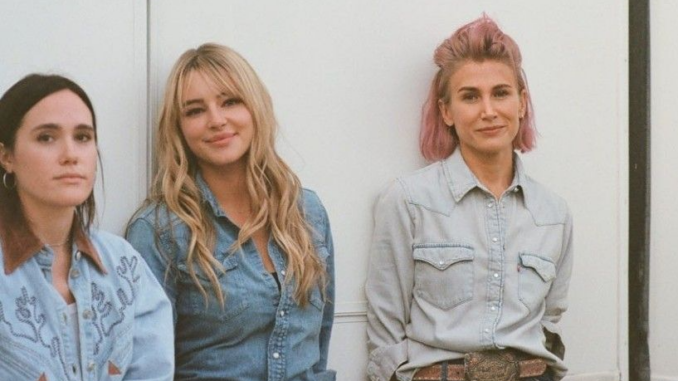
Yellowstone has never struggled with strong personalities, but few debates spark as much quiet tension as this one: if only one could return, should it be Laramie or Teeter?
On paper, the answer seems simple. In practice, it cuts straight to what Yellowstone actually values in its later years.
Laramie was disruption.
She entered the bunkhouse like a spark near dry hay — unpredictable, polarizing, and deliberately out of place. Her presence challenged the old codes of the ranch, especially the unspoken rules about loyalty and belonging. Laramie wasn’t trying to fit into the Yellowstone myth; she tested it. And for a time, that friction was the point.
But friction alone doesn’t sustain a story.
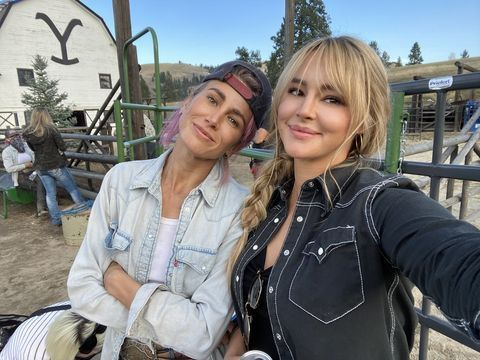
Teeter, on the other hand, became part of the land.
She didn’t just survive the bunkhouse — she earned it. Through grit, humor, and relentless endurance, Teeter transformed from comic relief into something rarer: a symbol of inclusion hard-won, not handed out. Her loyalty to the ranch was never loud, but it was absolute. When the Yellowstone world grew darker and more fragmented, Teeter grounded it in something real.
That difference matters now more than ever.
If Yellowstone is moving toward legacy rather than provocation, Teeter fits that direction naturally. She carries history, scars, and earned respect — the kind of character who doesn’t need conflict to justify her place. Her return wouldn’t reopen old drama; it would reinforce what the ranch stands for when everything else is being stripped away.
Laramie’s return would stir tension, yes — but it risks repeating a cycle the show has already explored. Teeter’s return deepens the emotional foundation instead of testing it.
So who should come back?
If the goal is noise — Laramie.
If the goal is meaning — Teeter.
And at this stage of Yellowstone, meaning feels far more dangerous — and far more necessary — than chaos.
Because when the dust finally settles on the Dutton Ranch, it won’t be the loudest voices that remain.
It will be the ones who stayed.