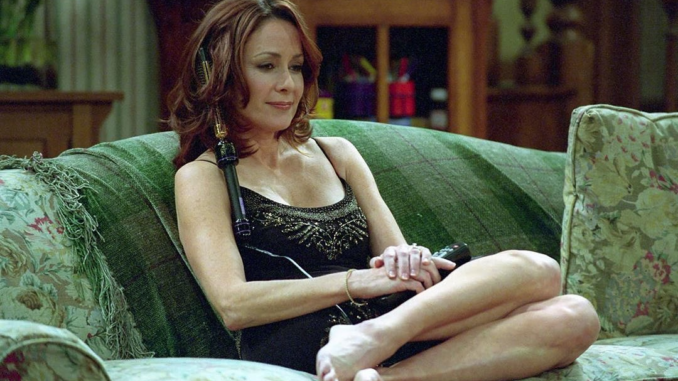
When people talk about Everybody Loves Raymond, the conversation often starts with Ray Barone. But if you look closer—really look—you’ll see the show didn’t survive because of Ray alone.
It survived because of Patricia Heaton.
As Debra Barone, she wasn’t just “the wife.” She was the emotional anchor, the moral compass, and often the only adult in the room.
Who Is Patricia Heaton Before Everybody Loves Raymond?
Before becoming Debra Barone, Patricia Heaton was far from an overnight success.
She struggled for years:
-
Small TV roles
-
Failed pilots
-
Limited recognition
At one point, she was nearly written off by the industry.
Then Everybody Loves Raymond happened—and everything changed.
Debra Barone: A Sitcom Wife Done Differently
Debra Barone broke the traditional sitcom mold.
She wasn’t:
-
Cheerfully submissive
-
Unrealistically patient
-
Reduced to punchlines
Instead, she was:
-
Intelligent
-
Emotionally exhausted
-
Honest about resentment
Patricia Heaton made Debra feel like a real woman—not a TV archetype.
Why Debra Felt So Real to Viewers
Debra didn’t smile through disrespect.
She reacted:
-
With frustration
-
With sarcasm
-
With emotional fatigue
And that honesty resonated deeply, especially with women who saw their own lives reflected on screen.
Debra wasn’t perfect. She was human.
Patricia Heaton’s Subtle Comedy Style
Unlike louder characters, Heaton mastered quiet comedy.
Her strength came from:
-
Facial expressions
-
Timing
-
Controlled irritation
A raised eyebrow could land harder than a punchline.
That restraint made her performance timeless.
Standing Her Ground Against Ray Barone
Ray Barone often avoided responsibility.
Debra didn’t let him off the hook.
Their dynamic worked because:
-
Ray deflected
-
Debra confronted
Patricia Heaton ensured Debra never became a doormat—even when the script leaned that way.
Debra vs Marie: One of Sitcom History’s Greatest Rivalries
Debra’s conflict with Marie Barone wasn’t exaggerated—it was painfully realistic.
Passive-aggressive comments
Backhanded compliments
Silent judgment
Patricia Heaton played Debra’s discomfort with precision. She didn’t overreact—she simmered.
That slow burn made the tension unforgettable.
Why Debra Never “Won” (And Why That Matters)
Debra rarely got clear victories.
No big confrontations.
No permanent changes.
That frustration mirrored real life.
Patricia Heaton understood that realism mattered more than payoff.
Awards and Industry Respect
Patricia Heaton earned major awards for her role—and deserved them.
Not because Debra was flashy.
But because she was consistent, grounded, and emotionally true.
Comedy isn’t always about laughs. Sometimes it’s about recognition.
Balancing Humor and Emotional Weight
Debra carried emotional labor:
-
Parenting
-
Marriage strain
-
In-law pressure
Heaton balanced humor with exhaustion in a way few sitcom actors ever have.
She made emotional labor visible—without speeches.
Why Debra Was Never “Unlikable”
Some critics labeled Debra as “nagging.”
But that label ignores context.
Debra reacted to:
-
Disrespect
-
Lack of partnership
-
Constant intrusion
Patricia Heaton made sure Debra’s anger always felt justified—even when it was messy.
Patricia Heaton’s Influence Behind the Scenes
Heaton wasn’t just performing—she was advocating.
She reportedly pushed for:
-
Stronger writing for Debra
-
Emotional realism
-
Respectful character treatment
That influence shaped how Debra evolved over time.
Life After Everybody Loves Raymond
After the show ended, Heaton didn’t fade away.
She continued playing:
-
Intelligent women
-
Complex mothers
-
Strong leads
But Debra Barone remained her most defining role.
Why Debra Still Resonates Today
Years later, Debra Barone still feels current.
Because:
-
Marriage dynamics haven’t changed
-
In-law tension still exists
-
Emotional imbalance is universal
Patricia Heaton gave voice to experiences many people struggle to articulate.
Debra Barone as a Cultural Shift
Before Debra, sitcom wives often existed to support the male lead.
After Debra, they demanded space.
Patricia Heaton helped redefine what a sitcom wife could be.
Why Patricia Heaton’s Performance Aged So Well
There’s nothing dated about honesty.
Debra’s frustrations don’t rely on trends—they rely on human behavior.
That’s why the performance still lands decades later.
Conclusion: The Quiet Power of Patricia Heaton
Patricia Heaton didn’t steal scenes.
She grounded them.
Without Debra Barone, Everybody Loves Raymond would’ve been a farce. With her, it became a reflection of real family life—messy, frustrating, and deeply familiar.
That’s not just acting.
That’s legacy.
FAQs About Patricia Heaton and Debra Barone
1. Was Debra Barone based on a real person?
She was inspired by real marital dynamics, not one specific individual.
2. Why did Debra seem angry so often?
Because she carried emotional and domestic responsibility without equal support.
3. Did Patricia Heaton influence Debra’s writing?
Yes, she advocated for realism and character depth.
4. Was Debra meant to be likable?
She was meant to be understandable, not perfect.
5. Is Debra Barone one of TV’s most realistic wives?
Many critics and fans believe so.