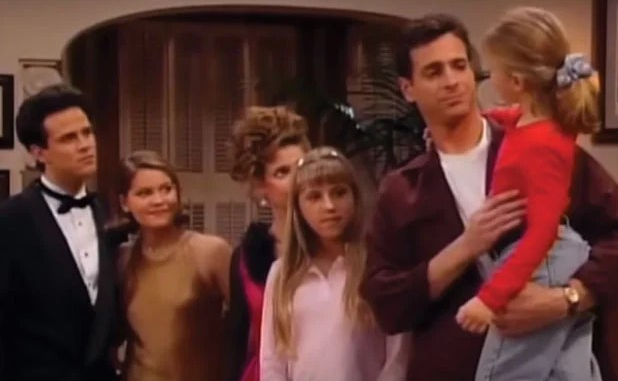
A Beloved Sitcom That Didn’t Quite Stick the Landing
Let’s be honest—Full House is one of those shows that feels like home. The Tanner living room, Danny’s dad jokes, Uncle Jesse’s hair obsession, Joey’s corny impressions—comfort TV at its finest. But as warm and fuzzy as the sitcom made us feel for eight seasons, its ending left many fans scratching their heads.
I’m convinced Full House could’ve saved itself from such a controversial ending—and not with a huge rewrite, either. Just a few smarter choices, better emotional payoff, and one missing ingredient could have turned a “meh” finale into a legendary one.
So grab your nostalgia goggles. Let’s break it all down.
What Made Full House So Special in the First Place
Before we critique the ending, we need to remember why Full House worked so well.
A Simple Premise With a Big Heart
At its core, Full House was about family—not the perfect kind, but the stitched-together, chaotic, loving kind. Three men raising three girls under one roof felt fresh, heartfelt, and relatable.
Characters Who Grew Up With Us
Michelle’s sass, DJ’s awkward teen years, Stephanie’s emotional depth—these characters weren’t just written; they evolved. Viewers grew up alongside them, which made the ending matter even more.
The Controversial Ending That Sparked Debate
Why the Series Finale Felt Abrupt
The final episode, “Michelle Rides Again,” wasn’t originally written as a series finale. That’s the first major problem. ABC canceled the show unexpectedly, leaving the writers scrambling.
As a result, the finale felt more like a season cliffhanger than a goodbye.
Michelle’s Memory Loss: High Stakes, Low Closure
Michelle losing her memory after a horse-riding accident was dramatic—but it shifted focus away from everyone else. Instead of a reflective farewell, the show zoomed in on a single crisis.
Was it emotional? Yes. Was it satisfying as an ending? Not really.
Mistake #1: Making the Finale All About Michelle
Michelle was adorable, but by season eight, Full House was an ensemble show.
Neglecting DJ and Stephanie’s Growth
DJ was heading toward adulthood. Stephanie had matured emotionally. The finale barely acknowledged their journeys. That’s like throwing a graduation party and only celebrating one student.
Missed Opportunity for Full-Circle Moments
Imagine DJ reflecting on losing her mom, or Stephanie stepping into a leadership role. Those moments could have tied the entire series together beautifully.
Mistake #2: No Emotional Goodbyes
Why Farewells Matter in Sitcoms
Sitcom finales are about closure. Think hugs, tears, laughter, and callbacks. Full House skipped most of that.
The House Deserved a Goodbye Too
That San Francisco house was practically a character. A final walk-through, a quiet moment, or even a voiceover could’ve added emotional weight.
How Full House Could Have Fixed Its Ending
Now let’s talk solutions—because fixing this wouldn’t have required a miracle.
A Two-Part Farewell Episode
Expanding the finale into a true goodbye would have changed everything. One episode for the crisis, one for reflection and closure.
Let Each Character Have a Final Moment
Danny reflecting on parenthood. Jesse choosing family over fame. Joey acknowledging his unconventional but meaningful role. Small moments—huge payoff.
The One Missing Ingredient: Reflection
Why Looking Back Matters
Fans didn’t just want resolution—they wanted acknowledgment of the journey.
Callbacks Could Have Elevated the Finale
Flashbacks. Old jokes. References to Pam Tanner. These are emotional anchors that reward loyal viewers.
Comparing Full House to Other Sitcom Endings
Why Some Shows Get It Right
Sitcoms that stick the landing focus on themes, not gimmicks. They honor the past while opening the door to the future.
Where Full House Fell Short
Instead of celebrating its legacy, the show leaned too hard on shock drama.
The Network Cancellation That Changed Everything
Behind-the-Scenes Reality
ABC canceled Full House for budget reasons, not ratings. That decision robbed the show of proper planning.
Why Fans Still Feel the Impact
A rushed ending feels like an unfinished conversation—and fans never forget that.
Could the Ending Have Been Saved Last-Minute?
Honestly? Yes.
A Simple Final Scene Would Have Helped
All it needed was one quiet family moment. A hug. A line like, “Whatever happens, this house will always be full.”
Chills, right?
Why the Ending Still Matters Today
The Netflix Revival Proved Fans Wanted Closure
Fuller House existed because fans never stopped caring. That alone proves the original ending left emotional loose ends.
Nostalgia Is Powerful—But Closure Is Stronger
People revisit Full House because it feels safe. A stronger ending would have made it timeless.
Lessons Modern Sitcoms Can Learn From Full House
Plan Your Ending Early
Even if cancellation comes suddenly, knowing your core message helps.
Always Serve the Characters First
Plot twists fade. Character growth lasts.
Would a Different Ending Have Changed the Legacy?
Absolutely—in a good way.
From “Classic Sitcom” to “Perfect Sitcom”
Full House was already beloved. A better finale could’ve cemented it as flawless.
Why Fans Still Talk About It Decades Later
Because Full House meant something. It wasn’t just TV—it was comfort, routine, and family.
And when something that meaningful ends poorly, people remember.
Conclusion: A Great Show That Deserved a Greater Goodbye
I’m convinced Full House didn’t need a dramatic twist to end strong. It needed heart, reflection, and time. The ingredients were already there—the show just didn’t get the chance to use them properly.
Even with its flawed finale, Full House remains a classic. But in another universe, with one better decision, it could’ve ended as perfectly as it began.
FAQs
1. Why was the Full House finale controversial?
Because it focused on a dramatic memory-loss plot instead of giving proper closure to all characters.
2. Was the finale meant to be the series ending?
No. The show was canceled unexpectedly, forcing the episode to double as a finale.
3. What was missing from the final episode?
Emotional goodbyes, character reflections, and a sense of finality.
4. Did Fuller House fix the original ending?
Partially. It offered nostalgia and updates but couldn’t fully replace the missed goodbye.
5. Could Full House have had a perfect ending?
Yes—with more focus on family reflection rather than shock drama.