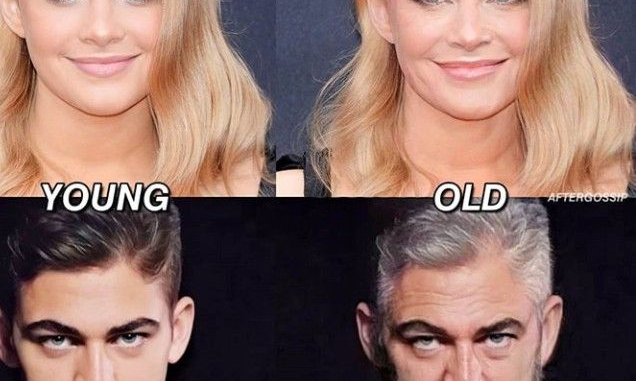
Few on-screen couples have divided audiences the way Hardin Scott and Tessa Young have. Their relationship wasn’t built to be comfortable — it was built to be felt. And that’s exactly why the question still lingers long after After Everything: which version of Hardin and Tessa actually deserves to last?
At the beginning, they were chaos wrapped in chemistry. Intense glances, explosive arguments, passionate reconciliations — the kind of love that feels cinematic, addictive, and impossible to ignore. This version of Hardin and Tessa captured the fantasy of first love taken to extremes. It was intoxicating to watch, but exhausting to sustain. Drama wasn’t a phase — it was the foundation.
That’s why, over time, the cracks became impossible to ignore.
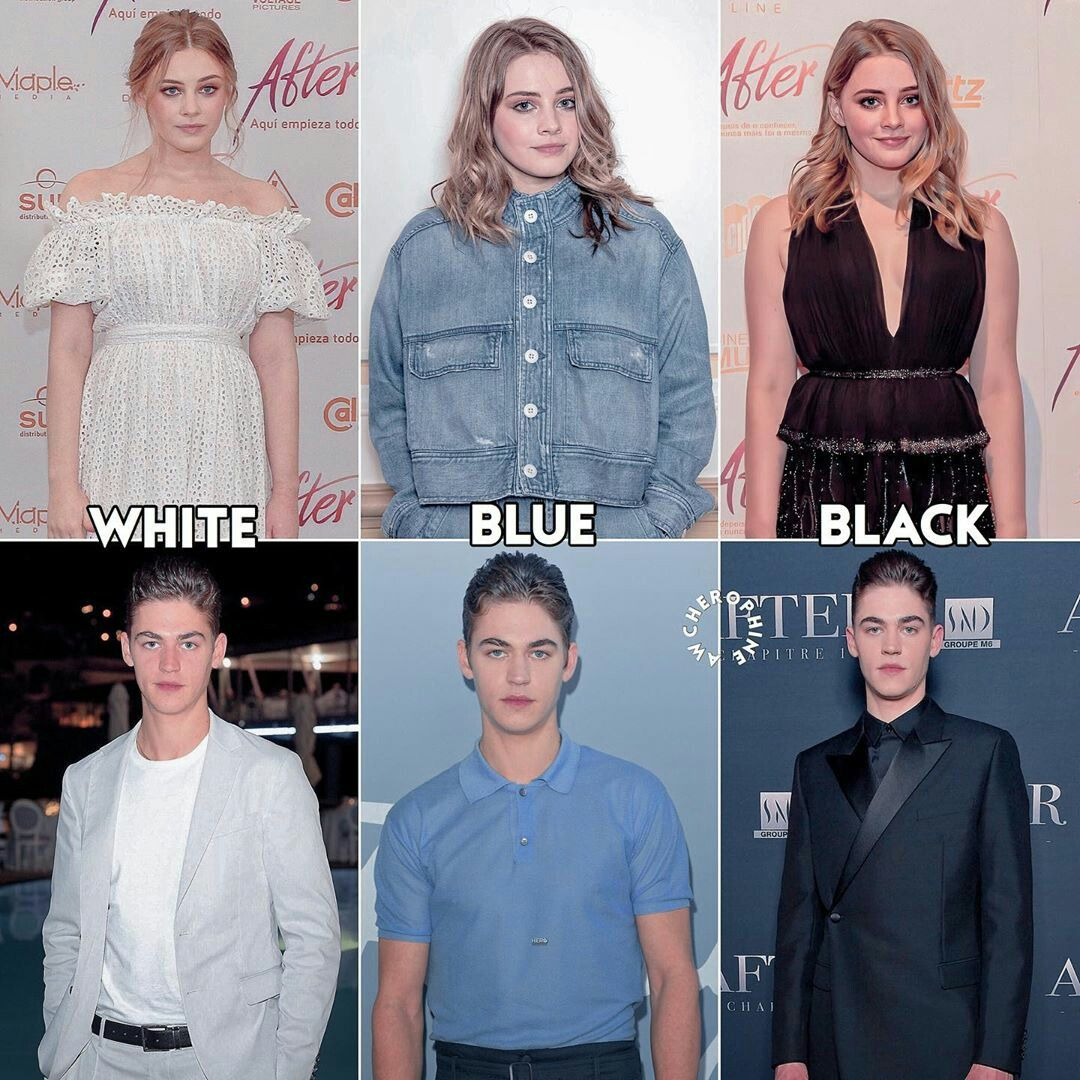
As the story progressed, something shifted. Pain stopped being romanticized. Distance forced reflection. Silence replaced shouting. And slowly, a different version of Hardin and Tessa emerged — quieter, more restrained, but undeniably more real. This wasn’t love as obsession anymore. It was love as choice.
What makes the later version more compelling isn’t that they suddenly became perfect. It’s that they stopped trying to save each other and started taking responsibility for themselves. Hardin learned that love doesn’t excuse damage. Tessa learned that loyalty shouldn’t mean self-erasure. Together, they became less explosive — and more intentional.
That evolution is why the upcoming After Forever (2026) carries so much weight. It’s no longer about whether they can survive passion. It’s about whether they can survive peace. Forever isn’t proven in arguments or reunions — it’s tested in consistency, honesty, and restraint.
So which version is better?
The early Hardin & Tessa were a dream — vivid, dramatic, unforgettable.
The later Hardin & Tessa are a risk — quieter, less thrilling, but far more sustainable.
And maybe that’s the point.
Some love stories are meant to burn brightly and fade. Others are meant to change form to survive. Whether fans prefer the fire or the aftermath says less about the characters — and more about what kind of love we believe in.
Because in the end, After was never asking who they loved harder.
It was asking who they were willing to become.