When a Sitcom Knows Exactly When to Leave
Some TV finales explode with drama. Others drown in nostalgia. And then there’s Everybody Loves Raymond, a show that quietly closed the door, waved goodbye, and trusted the audience to understand. No fireworks. No shocking twists. Just family, laughter, and one last shared meal.
At first glance, the finale might seem… uneventful. But look closer, and you’ll realize it’s one of the smartest sitcom endings ever made. Let’s dive into why The Finale of Everybody Loves Raymond still stands as a masterclass in knowing who you are—and when to stop.
A Quick Recap of Everybody Loves Raymond
Before we zoom in on the finale, let’s set the table.
A Show Built on Everyday Chaos
The series revolved around Raymond Barone, a sportswriter living across the street from his overbearing parents, with his long-suffering wife Debra and his jealous brother Robert never far behind.
Why the Show Connected So Deeply
It wasn’t flashy. It was familiar. Like peeking into a neighbor’s house and realizing, “Wow, my family’s just as weird.”
Why Sitcom Finales Are So Hard to Get Right
Ending a beloved show is like landing a plane full of passengers with opinions.
Too Big, and It Feels Fake
Grand gestures can feel forced or out of character.
Too Small, and Fans Feel Cheated
Audiences want closure—but not a betrayal of what made the show special.
The Bold Choice: Keeping the Finale Ordinary
Everybody Loves Raymond chose restraint.
No Weddings, No Funerals, No Farewells
The finale didn’t revolve around a life-changing event.
Just Another Day in the Barone Family
And that was the point.
The Central Plot: A Health Scare Without Melodrama
The episode hinges on a minor but meaningful event.
Raymond’s Surgery as a Wake-Up Call
Raymond undergoes surgery, prompting the family to reflect—briefly—on what really matters.
Fear Brings the Family Together (Momentarily)
They worry, bicker, care, and annoy each other, all at once.
Marie Barone: Still Marie Until the End
If you expected Marie to suddenly soften, think again.
Control Issues Never Take a Day Off
Even in crisis, Marie can’t help herself.
Why That Consistency Matters
She didn’t change because real people rarely do.
Debra’s Role in the Finale
Debra remains the emotional anchor.
Strength, Sarcasm, and Love
She worries deeply but never loses her edge.
Why Debra Represents the Audience
She reacts the way we would—loving, frustrated, exhausted.
Robert’s Quiet Vulnerability
Robert gets one of the most touching moments.
Fear Beneath the Sarcasm
His concern for Ray feels raw and honest.
A Brother’s Love, Finally Unmasked
No jokes, no jealousy—just fear of loss.
Frank Barone: Brutally Honest to the End
Frank stays exactly who he is.
Grumpy, Blunt, and Weirdly Wise
He doesn’t sugarcoat emotions.
Why Frank’s Consistency Feels Comforting
You know what you’re getting—and that’s the charm.
The Hospital Scene: Where the Show Says Everything Without Saying It
This is the heart of the finale.
Family Anxiety on Full Display
Everyone reacts differently, but everyone shows up.
No Big Speeches Needed
Silence and presence do the heavy lifting.
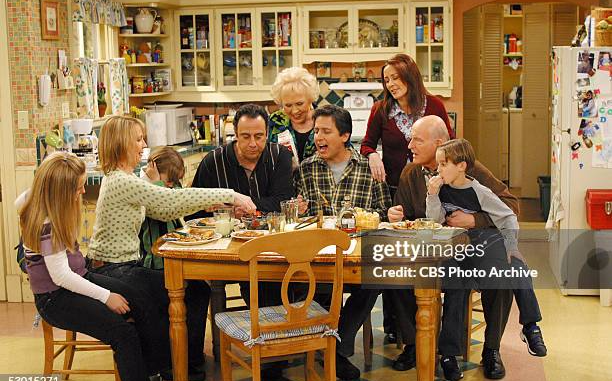
The Final Scene: Around the Dinner Table
And then, just like that, we’re home.
Food, Noise, and Familiar Chaos
The family sits down to eat—arguing, joking, interrupting.
Why This Ending Was Perfect
Because this is what the show was always about.
The Meaning Behind the Simplicity
Nothing changed—and everything did.
Life Goes On
No lessons spelled out. No dramatic resolutions.
The Show Trusted Its Audience
It didn’t need to explain itself.
Why Fans Were Divided at First
Not everyone loved it immediately.
Some Expected More Closure
No flashbacks. No final monologues.
But Time Has Been Kind
Rewatching reveals its brilliance.
Ray Romano’s Vision for the Ending
This finale was intentional.
Ending Where the Show Lived
Romano wanted it to feel like any other episode—just the last one.
No Victory Lap
Because family life doesn’t end with applause.
How the Finale Fits the Show’s Theme
The ending mirrors the premise perfectly.
Love Isn’t Loud
It’s persistent, annoying, forgiving, and real.
Everybody Loves Raymond—In Their Own Way
Even when they drive him crazy.
Why the Finale Feels So Human
This episode feels like real life.
No Neat Bows
Just relationships that continue.
That’s Why It Lingers
It feels unfinished—just like family always does.
Comparing It to Other Sitcom Finales
This one zigged when others zagged.
No Emotional Manipulation
It didn’t beg for tears.
Confidence Over Spectacle
It knew its strength.
The Legacy of the Finale
Years later, it still holds up.
A Blueprint for Ending Right
Know your show. Trust your audience.
Why It Still Gets Praise Today
Because it feels honest.
What the Finale Says About Family
At its core, the message is simple.
Family Is Always There—For Better or Worse
They annoy you, worry you, and love you anyway.
And Tomorrow, You’ll Eat Together Again
That’s life.
Conclusion: A Goodbye That Felt Like Home
The finale of Everybody Loves Raymond didn’t shout. It didn’t cry. It didn’t pretend to be more than it was. Instead, it leaned into the everyday magic of family life. By ending the way it began—around a table, surrounded by noise—it gave viewers something rare: a goodbye that felt real.
And sometimes, that’s the most satisfying ending of all.
Frequently Asked Questions (FAQs)
1. Why didn’t the finale have a big dramatic ending?
The creators wanted it to feel like a normal day, staying true to the show’s tone.
2. Was the finale planned far in advance?
Yes, the writers intentionally avoided gimmicks or major changes.
3. Did fans like the ending?
Initial reactions were mixed, but it’s now widely praised.
4. What is the main theme of the finale?
Family continuity—life goes on, together.
5. Why is the finale considered one of the best sitcom endings?
Because it respected the characters, the audience, and the story.