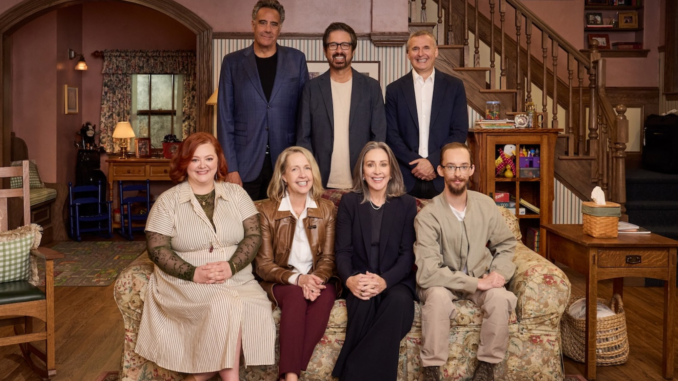
Thirty years. Let that sink in.
Everybody Loves Raymond officially hit its 30th anniversary, and suddenly, fans everywhere are looking back at a sitcom that didn’t rely on flashy gimmicks or outrageous plots. Instead, it leaned into something far more powerful: painfully relatable family life.
The 30th anniversary reunion isn’t just a celebration of a TV show. It’s a reminder of why Everybody Loves Raymond still resonates decades later—and why it continues to feel like a mirror held up to our own living rooms.
Let’s dive into what makes this reunion so special, why the show still works, and how its legacy keeps growing.
Why Everybody Loves Raymond Still Matters After 30 Years
Some sitcoms age like milk. Raymond aged like fine wine.
The humor wasn’t built on trends—it was built on truth. Overbearing parents. Marriage misunderstandings. Sibling rivalry. Sound familiar?
Thirty years later, the jokes still land because family dynamics never change.
A Look Back at the Show’s Simple but Brilliant Premise
At its core, Everybody Loves Raymond followed Ray Barone, a sportswriter living across the street from his parents. That setup alone created endless chaos.
The brilliance? Nothing felt exaggerated. It felt lived-in, like someone secretly recorded real family arguments and added a laugh track.
What the 30th Anniversary Reunion Represents
This reunion isn’t about reviving the show.
It’s about honoring what it meant.
Cast reflections focus on:
-
Gratitude for long-term fans
-
Respect for the writing
-
Pride in telling honest stories
It’s less “look at us” and more “look at what we made together.”
Ray Barone: The Reluctant Center of the Storm
Ray wasn’t a hero. And that’s why he worked.
Why Ray Still Feels Real
Ray was flawed, lazy, loving, and defensive—sometimes all at once. He represented the everyday spouse trying to survive family pressure without totally losing himself.
Thirty years later, Ray still feels like someone you know.
Debra Barone: The Backbone of the Entire Show
Let’s be honest—Debra carried the house.
Why Debra Became Iconic
She balanced:
-
Parenting
-
Marriage
-
In-laws from hell
Debra’s frustration wasn’t exaggerated. It was justified. That honesty made her one of sitcom TV’s most relatable characters.
Marie Barone: The Mother-in-Law Everyone Recognized
Marie Barone was terrifyingly accurate.
Why Marie Worked
She wasn’t evil. She was controlling, passive-aggressive, and deeply convinced she was helping.
That realism made her both hilarious and unsettling—just like real life.
Frank Barone: Blunt, Loud, and Unforgettable
Frank didn’t filter himself—and audiences loved it.
Frank’s Role in the Family
Frank represented:
-
Old-school masculinity
-
Emotional avoidance
-
Brutal honesty
His one-liners became legendary, but his character also revealed vulnerability beneath the sarcasm.
Robert Barone: The Underrated Emotional Core
Robert might be the most quietly relatable character.
Why Robert Resonates
Always in Ray’s shadow, Robert embodied:
-
Insecurity
-
Longing for approval
-
Dry humor as defense
Many fans see themselves in Robert more than anyone else.
Why the Writing Still Holds Up Today
The show avoided topical humor.
Instead, it focused on:
-
Conversations
-
Awkward silences
-
Emotional misunderstandings
That approach made the writing timeless.
How the Show Redefined Family Sitcoms
Before Raymond, sitcom families often felt polished.
After Raymond, dysfunction became honest.
The show normalized:
-
Marital arguments
-
Parental resentment
-
Emotional exhaustion
And somehow made it funny without being cruel.
What the Cast Has Said About the Reunion
Cast members often reflect on:
-
How rare the chemistry was
-
How writing felt like therapy
-
How none of it felt forced
They didn’t just act like a family. They became one.
Why There’s No Full Revival—and Why That’s Okay
Fans always ask for a reboot.
But the creators have been clear: the story ended where it needed to.
Sometimes, preserving a legacy matters more than extending it.
How Modern Audiences Are Discovering Raymond
Younger viewers are finding the show through:
-
Streaming
-
Reruns
-
Family recommendations
And the response is the same: “How is this still so accurate?”
The Emotional Weight of Watching It Today
Watching now hits differently.
You notice:
-
The subtleties
-
The compromises
-
The unspoken love
It’s not just funny anymore—it’s comforting.
Why Everybody Loves Raymond Feels Like Therapy
The show reminds us:
-
We’re not alone
-
Families are messy
-
Love doesn’t look perfect
Sometimes, laughter is how we survive.
The Cultural Impact of the Show
The show influenced:
-
Writing styles
-
Character-driven comedy
-
Honest family storytelling
It proved you don’t need spectacle to succeed—just truth.
What the 30th Anniversary Really Celebrates
It’s not just longevity.
It’s relevance.
Thirty years later, the show still speaks the same language as its audience.
Why Fans Still Rewatch It Comfortably
Because it feels safe.
You know the ending. You know the rhythm. And somehow, it still surprises you.
That’s rare.
Conclusion: Thirty Years Later, We Still Love Raymond
The Everybody Loves Raymond 30th anniversary reunion isn’t about nostalgia alone. It’s about recognition—recognizing how powerful honest storytelling can be.
The show didn’t try to impress. It tried to connect.
And three decades later, it still does.
FAQs
Was Everybody Loves Raymond based on real life?
Yes, many storylines were inspired by real family experiences.
Why hasn’t the show been rebooted?
Creators believe the story ended naturally and respectfully.
Which character is most relatable today?
Many fans relate strongly to Debra and Robert.
Is the show still relevant for younger viewers?
Absolutely. Family dynamics never go out of style.
Why is the 30th anniversary significant?
It highlights the show’s lasting emotional and cultural impact.