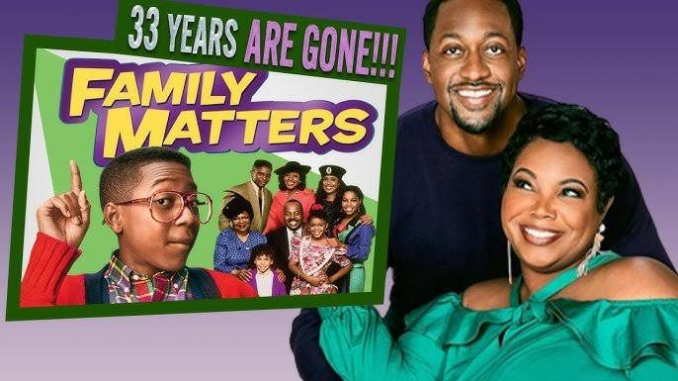
The Character Who Was Never Supposed to Matter
Steve Urkel wasn’t planned. He wasn’t marketed. He wasn’t designed to become a television legend. And yet, against all odds, Urkel didn’t just join Family Matters—he became it.
Originally written as a one-time guest character, Urkel was meant to add a quick laugh and disappear. Instead, audiences latched onto him instantly. Within weeks, he was unavoidable. Within seasons, he was unstoppable.
Why Steve Urkel Felt Different From Every Other Sitcom Nerd
Sitcoms had nerds before Urkel—but none like him. Urkel wasn’t cool underneath the awkwardness. There was no hidden swagger waiting to emerge.
He was unapologetically himself.
That authenticity made him revolutionary. Kids who felt invisible suddenly saw someone loud, smart, clumsy, and unashamed owning the screen.
“Did I Do That?” and the Power of a Catchphrase
Urkel’s iconic catchphrases weren’t just jokes—they were branding before branding was a thing. “Did I do that?” became a cultural shortcut for chaos, innocence, and accountability all rolled into one.
Catchphrases usually age badly. Urkel’s didn’t. They aged into nostalgia gold.
How Urkel Hijacked Family Matters — In the Best Way
As Urkel’s popularity exploded, Family Matters shifted focus. Stories revolved around his inventions, his crush on Laura, and his constant collisions with Carl Winslow.
Some critics complained. Viewers didn’t care.
Because Urkel didn’t erase the family—he challenged it, stretched it, and made it evolve.
Carl Winslow vs. Steve Urkel: Comedy’s Perfect Rivalry
The tension between Carl and Urkel was sitcom magic. Carl represented structure, authority, and order. Urkel embodied chaos, intellect, and unpredictability.
Their dynamic wasn’t just funny—it mirrored real-life generational and personality clashes. That’s why it worked so well.
Why Urkel’s Intelligence Was Never the Joke
Urkel wasn’t mocked for being smart. He was mocked for being socially awkward. That distinction mattered.
In a media landscape where intelligence often came with arrogance, Urkel’s brilliance was paired with vulnerability. That made him relatable, not threatening.
The Laura Winslow Effect
Urkel’s unrelenting love for Laura could have aged terribly. Instead, it survived because it was played with sincerity, restraint, and growth.
Over time, Urkel evolved. He learned boundaries. He matured. His love became less obsession, more devotion.
Stefan Urquelle: When Urkel Flipped the Script
The introduction of Stefan wasn’t just a gag—it was commentary. Stefan showed what society rewards: confidence, attractiveness, smoothness.
But audiences still preferred Urkel.
Why? Because perfection is boring. Flaws are human.
Merchandising, Marketing, and the Birth of a Sitcom Icon
Urkel wasn’t just a character—he was a brand. Dolls, cereal boxes, commercials, and guest appearances flooded pop culture.
Few sitcom characters crossed over into mainstream marketing the way Urkel did. He wasn’t tied to a show. He was the show.
Why Younger Generations Are Rediscovering Urkel
Social media thrives on exaggerated personalities—and Urkel was built for it. His physical comedy, facial expressions, and quotable lines are tailor-made for short-form clips.
Gen Z didn’t grow up with Urkel. They found him organically. That’s the real test of longevity.
How Steve Urkel Redefined Representation
Urkel wasn’t a stereotype—he was a statement. He showed that Black characters could be nerdy, intellectual, and emotionally expressive without being sidelined.
That mattered then. It matters even more now.
The Risk That Paid Off
Centering a sitcom around such an unconventional lead was risky. But Family Matters leaned into it—and television history changed because of it.
Risk created resonance.
Why Urkel Never Needed a Reboot
Unlike many characters from the past, Urkel doesn’t need reinvention. His appeal is intact. His humor still lands. His heart still resonates.
That’s rare.
Steve Urkel vs. Modern Sitcom Characters
Many modern sitcom characters feel engineered. Urkel felt discovered.
That difference is why he stands apart—and always will.
Why Steve Urkel Will Outlive Family Matters
Shows end. Characters fade. Icons endure.
Urkel didn’t just survive Family Matters. He transcended it.
Conclusion
Steve Urkel wasn’t a happy accident—he was a cultural correction. He proved that audiences don’t need perfect heroes. They need honest ones.
Decades later, Urkel still matters because he reminds us that being yourself—no matter how awkward—isn’t a weakness. It’s a superpower.
FAQs
Was Steve Urkel supposed to be a main character?
No. He was intended as a one-time guest before audience reaction changed everything.
Why did Steve Urkel become so popular?
Because he was authentic, memorable, and emotionally relatable.
Did Urkel overshadow the rest of the cast?
He shifted focus, but also gave the show its lasting identity.
Why is Steve Urkel trending again today?
Social media, nostalgia, and renewed appreciation for unique characters.
Is Steve Urkel considered a TV icon?
Absolutely. Few sitcom characters have had his cultural impact.