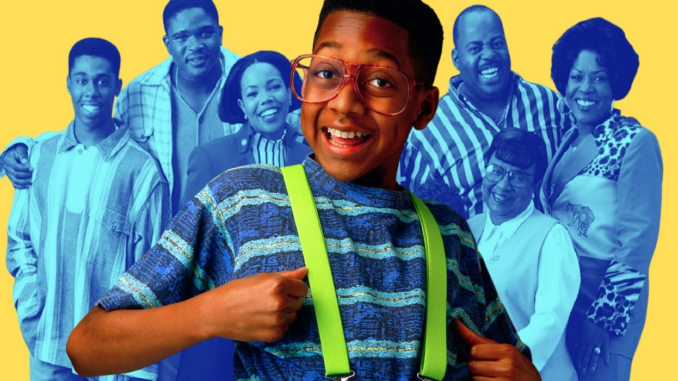
America Loved Urkel—But the Set Told a Different Story
To audiences, Steve Urkel was comedy gold. High-pitched voice, suspenders, snorts, and catchphrases that lived rent-free in everyone’s brain. He turned Family Matters into a ratings powerhouse.
But behind the scenes? Not everyone was laughing.
Over the years, cast members have opened up about the tension that grew as Steve Urkel went from quirky guest character to the face of the entire show. This isn’t a story about hate—it’s about imbalance, frustration, and how sudden fame can quietly change everything.
Steve Urkel Was Never Supposed to Be the Star
Here’s the truth most fans don’t realize: Steve Urkel was meant to be a one-time character.
Family Matters was designed as a family sitcom focused on:
-
Carl Winslow’s role as a father and cop
-
Harriette Winslow’s strength as a working mother
-
The dynamics of a Black middle-class household
Urkel was just comic relief. A quick laugh. Nothing more.
Then the audience spoke—and everything shifted.
Ratings Changed the Game Overnight
Steve Urkel didn’t just become popular. He became unstoppable.
Ratings spiked whenever he appeared. Fan mail poured in. Kids quoted him nonstop. Networks saw dollar signs.
As a result:
-
Scripts were rewritten
-
Storylines were reshaped
-
Episodes increasingly revolved around Urkel
The show followed the numbers, not the original vision.
The Cast Felt Sidelined
One of the biggest reasons the Family Matters cast struggled with Urkel was simple: they felt pushed aside.
Actors who signed on to play layered, evolving characters suddenly found themselves:
-
Losing screen time
-
Reduced to reaction shots
-
Written out of major story arcs
Imagine being part of a band, only to realize every song is now a solo. That’s how it felt.
It Wasn’t Personal—It Was Professional
To be clear, most cast members have said their frustration wasn’t about Jaleel White as a person.
The issue was structural, not personal.
The show stopped feeling like an ensemble and started feeling like a one-man vehicle. That shift can bruise egos, careers, and creative satisfaction—even in a successful show.
Jaleel White Became the Face of Everything
As Urkel’s popularity exploded, so did the pressure on Jaleel White.
He became:
-
The marketing focus
-
The main plot driver
-
The public symbol of the show
That spotlight created distance. When one actor becomes the brand, collaboration naturally suffers—even if no one intends it to.
The Winslow Family Lost Narrative Depth
Another major frustration? The Winslows stopped growing.
Earlier seasons explored:
-
Parenting challenges
-
Career struggles
-
Teen identity
Later episodes often sidelined those themes in favor of:
-
Wacky inventions
-
Sci-fi plots
-
Over-the-top comedy
The heart of the show felt diluted.
Carl Winslow Became a Reaction, Not a Lead
Carl Winslow started as the emotional core of the show.
Over time, his role shifted into:
-
Reacting to Urkel
-
Yelling at Urkel
-
Cleaning up Urkel’s messes
While still funny, the character lost complexity—and that frustrated the actor portraying him.
Laura Winslow’s Character Arc Shrunk
Laura Winslow began as confident, smart, and independent.
As Urkel dominated storylines, Laura increasingly became:
-
The object of pursuit
-
The emotional prize
-
A repeated rejection loop
That repetition limited her growth and range, which didn’t go unnoticed.
Creative Frustration in the Writers’ Room
The tension didn’t stop with the cast.
Writers faced constant pressure to:
-
“Add more Urkel”
-
Escalate jokes
-
Push realism aside
Some loved the freedom. Others missed grounded storytelling. That creative tug-of-war affected the tone—and morale—of the entire production.
Success Made Complaints Hard to Voice
Here’s the tricky part: the show was wildly successful.
Complaining about a hit feels risky. No one wants to sound ungrateful. So frustration often stayed unspoken—or surfaced years later.
Success can silence honest conversations, even when something feels off.
The Sci-Fi Turn Was a Breaking Point
As Urkel’s inventions became more outrageous, some cast members felt the show crossed a line.
Cloning machines. Transformations. Time travel.
For actors who signed up for a family sitcom, this felt like playing a completely different show without consent.
Audience Love vs. Cast Reality
Fans adored Urkel. That made criticism feel awkward.
How do you explain being unhappy on a show millions love?
That disconnect—between public joy and private frustration—is a common theme in long-running TV productions.
Did the Cast Ever Reconcile Their Feelings?
With time, perspective softened the edges.
Many cast members now acknowledge:
-
Urkel kept the show alive
-
The exposure boosted careers
-
The impact was undeniable
Still, they don’t hide the fact that the transition was difficult.
Both truths can exist.
Why Jaleel White Wasn’t the Villain
It’s important to say this clearly: Jaleel White didn’t cause the problem.
He played the role written for him. He delivered what audiences loved. Turning down success wasn’t an option.
The issue was the system, not the performer.
What This Says About Ensemble Shows
Family Matters became a case study in what happens when balance disappears.
Ensemble shows thrive on shared space. When one character absorbs all the oxygen, even great chemistry can strain.
It’s not about talent—it’s about proportion.
Why Fans Still Debate This Today
Fans continue debating Urkel’s takeover because it changed the show’s identity.
Some love the chaos. Others miss the warmth.
That debate keeps the show alive—and relevant.
Conclusion: A Complicated Legacy Wrapped in Suspenders
Steve Urkel made Family Matters unforgettable. He also reshaped it in ways not everyone welcomed.
The cast didn’t dislike Urkel—they struggled with what his success cost them creatively. It’s a reminder that massive popularity often comes with hidden trade-offs.
And honestly? That complexity makes the story behind the laughs even more human.
FAQs
Did the Family Matters cast hate Steve Urkel?
No. The frustration was about the shift in focus, not personal dislike.
Was Steve Urkel supposed to be a main character?
No, he was originally intended as a one-time appearance.
Did Jaleel White cause on-set tension?
Most agree the network’s decisions—not Jaleel White—created tension.
Why did the show become more unrealistic?
To capitalize on Urkel’s popularity, writers leaned into exaggerated comedy and sci-fi elements.
Is Family Matters still worth watching?
Absolutely. Its legacy, flaws included, makes it a classic.