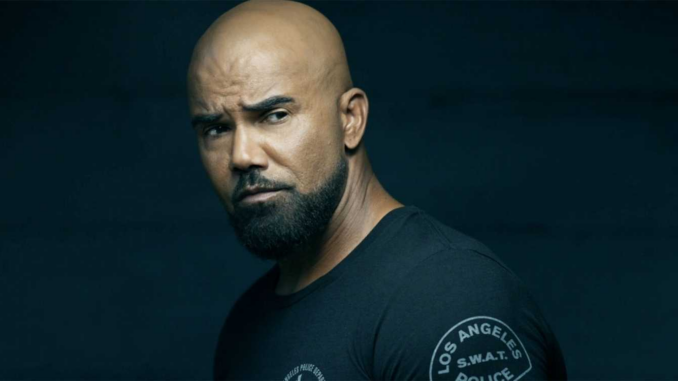
It finally happened. After years of close calls, surprise renewals, and fan-fueled comebacks, S.W.A.T. is officially ending with Season 8 on CBS. And this time? There’s no miracle save waiting in the wings.
For longtime fans, the news hits hard. S.W.A.T. wasn’t just another police drama—it was a show that fought for its life more than once and somehow kept winning. Until now.
So why is this really the end? What does it mean for the characters, the fans, and network television itself? Let’s break it all down.
S.W.A.T.’s Unbelievable History With Cancellation
Before we talk about the ending, we need to talk about survival.
S.W.A.T. has one of the wildest renewal stories in modern TV. It was:
-
Canceled
-
Brought back
-
Canceled again
-
Revived again
Each time, fans held their breath. Each time, the show lived to fight another day.
Until Season 8.
Why Season 8 Is Different This Time
No Last-Minute Save on the Horizon
In previous years, S.W.A.T. benefited from:
-
Strong streaming numbers
-
Vocal fan campaigns
-
Scheduling gaps at CBS
This time, those safety nets are gone.
CBS has made it clear: Season 8 is the final chapter.
CBS’s Changing Strategy Explained
Network television is evolving fast, and S.W.A.T. got caught in the shift.
Why CBS Is Moving On
The decision comes down to:
-
Rising production costs
-
A push toward newer properties
-
A changing audience landscape
It’s not about quality—it’s about economics.
Eight Seasons Is Still a Big Win
Let’s put this in perspective.
In today’s TV world:
-
Most shows don’t make it past Season 3
-
Network dramas rarely hit Season 8
By that standard, S.W.A.T. didn’t fail—it endured.
Shemar Moore and the Heart of the Show
Why Hondo Became a TV Icon
At the center of everything stood Daniel “Hondo” Harrelson.
Shemar Moore gave viewers a lead who was:
-
Strong but compassionate
-
Decisive but reflective
-
Fearless but human
Hondo wasn’t perfect—and that’s why he worked.
Why Fans Always Believed a Reprieve Was Coming
Past experience trained fans to expect a miracle.
Every time cancellation loomed:
-
Ratings rebounded
-
Streaming numbers surged
-
CBS reversed course
Hope became muscle memory.
Season 8 breaks that pattern.
How the Writers Approached Season 8 Knowing the End Was Real
A Season Written With Purpose
Unlike previous “maybe final” seasons, Season 8 is intentional.
The storytelling focuses on:
-
Closure over cliffhangers
-
Character legacy
-
Emotional payoff
No scrambling. No guessing. Just resolution.
What the Final Season Is Really About
More Than Missions and Action
Yes, there are high-stakes operations. But Season 8 zooms out.
It asks:
-
What does leadership cost?
-
How do you let go of a calling?
-
What remains after the badge?
These questions shape the final episodes.
The Team Dynamic That Made S.W.A.T. Special
S.W.A.T. was never a solo act.
The ensemble mattered:
-
Trust between teammates
-
Conflict without betrayal
-
Loyalty tested under pressure
Season 8 honors those bonds instead of breaking them.
Why There Will Be No Shock Ending
Respect Over Spectacle
Some shows end with chaos just to make noise.
S.W.A.T. chooses restraint.
No cheap twists.
No random deaths.
No betrayal for shock value.
Just honesty.
Why the End Feels Final This Time
There’s no cliffhanger bait.
No “to be continued” energy.
No industry whispers.
Everything about Season 8 says: this is it.
And oddly enough, that certainty gives the ending weight.
How Streaming Changed the Fate of S.W.A.T.
Ironically, streaming both saved and ended the show.
It helped:
-
Build a larger audience
-
Prove long-term value
But it also raised expectations and costs that network TV can’t always sustain.
What S.W.A.T. Leaves Behind as a Police Drama
A More Human Take on Law Enforcement
S.W.A.T. didn’t pretend the job was simple.
It showed:
-
Moral gray areas
-
Community tension
-
Consequences, not just heroics
That approach made it stand out.
Why the Ending Matters to Fans
For viewers, this isn’t just about TV.
It’s about:
-
Years of emotional investment
-
Characters that felt familiar
-
A routine that became comfort
Saying goodbye feels personal.
Why Ending at Season 8 Is Actually the Right Call
Staying too long can dilute a story.
Ending now means:
-
Characters remain intact
-
The legacy stays strong
-
The story closes with dignity
Not every ending has to be tragic to be meaningful.
What Happens Next for the Cast and Fans
The cast moves on.
Fans rewatch.
New viewers discover the series.
That’s not disappearance—that’s transformation.
S.W.A.T. as a Symbol of Network TV’s Shift
The show’s end reflects a bigger truth:
The era of long-running network dramas is changing.
S.W.A.T. didn’t fail—it simply reached the end of a road that’s disappearing.
Conclusion
S.W.A.T. ending with Season 8 on CBS marks the close of a rare television journey. After surviving multiple cancellations, the series finally reaches a planned, definitive ending—with no last-minute reprieve expected this time. Instead of fading out, it stands tall, delivering closure, respect, and a legacy built on resilience, teamwork, and heart. For fans, the goodbye is bittersweet—but it’s also earned.
Frequently Asked Questions (FAQs)
1. Is Season 8 really the final season of S.W.A.T.?
Yes. CBS has confirmed that Season 8 will be the show’s final season.
2. Why isn’t S.W.A.T. being saved again?
Rising costs and shifting network priorities make another reprieve unlikely.
3. Does Season 8 provide closure?
Yes. The season is written with a clear ending in mind.
4. Will there be a spin-off or revival later?
Nothing has been announced, and no continuation is currently expected.
5. Is S.W.A.T. worth watching from the beginning?
Absolutely. Its long-form character development makes the full series rewarding.