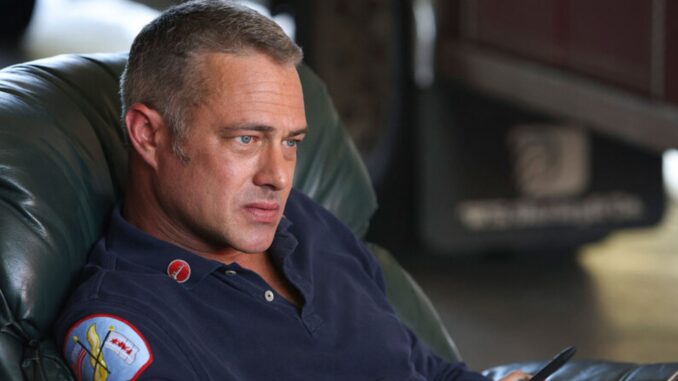
When Chicago Fire first premiered, it didn’t just spark interest among TV viewers—it also caused a surprising amount of confusion among sports fans across the Windy City. For locals especially, the title carried an entirely different meaning long before NBC ever aired a single episode.
In Chicago, “Chicago Fire” was already firmly associated with the city’s Major League Soccer team, the Chicago Fire FC. Established in the late 1990s, the club is a staple of the local sports scene, and its name is deeply tied to the city’s identity. So when headlines started popping up about “Chicago Fire coming to NBC,” many fans initially assumed the news had something to do with soccer, not a scripted drama about firefighters.
The confusion was amplified by local media coverage and casual word-of-mouth. Sports fans scrolling through headlines or overhearing conversations would catch the phrase “Chicago Fire” without context, leading to plenty of double takes. Was the team changing leagues? Getting a documentary? Launching a reality show? The overlap in naming made early discussions oddly ambiguous.
Even within Chicago itself, the mix-up became something of a running joke. Social media posts occasionally had to clarify whether someone was talking about the TV show or the soccer club, especially on game days or during major episodes. For newcomers to the city, it could be genuinely puzzling to hear passionate debates about “Chicago Fire” and not immediately know which one was on fire—figuratively or literally.
Over time, the distinction became clearer. The NBC series grew into a powerhouse franchise, while the soccer team maintained its own loyal following. Context—and capitalization—did a lot of heavy lifting. Still, the initial confusion highlighted just how embedded the name “Chicago Fire” already was in the city’s cultural and sports landscape.
In the end, both entities carved out their own space. But for a brief moment, Chicago sports fans had to adjust to the idea that “Chicago Fire” could mean a dramatic rescue at Firehouse 51—or a match at Soldier Field. And in a city as passionate as Chicago, that kind of overlap was bound to spark confusion.