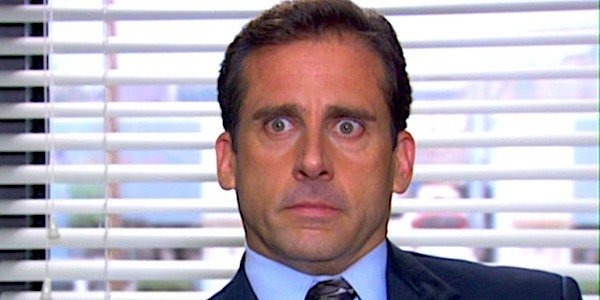
How ‘The Office’ Memes Became the Language of the Internet
Introduction: One Show, Infinite Reactions
Let’s be honest—if the internet had an official dialect, ‘The Office’ memes would be its grammar. Happy? There’s a Jim Halpert smirk for that. Uncomfortable? Michael Scott has you covered. Existential dread on a Monday morning? Stanley Hudson already said it best.
But how did a mockumentary about a painfully ordinary paper company turn into one of the most powerful communication tools online?
This isn’t just about jokes or nostalgia. ‘The Office’ memes have become a shared emotional shorthand, a universal language spoken across Twitter, Reddit, Instagram, TikTok, Slack channels, and group chats worldwide.
Let’s break down how it happened—and why it still works.
The Birth of a Meme Machine
A Show Built for Screenshots
‘The Office’ wasn’t designed to become meme royalty, yet it accidentally perfected the formula.
The mockumentary style—with its zoom-ins, lingering silences, and awkward facial expressions—created frame-perfect reaction shots long before memes were even mainstream.
Every pause felt intentional. Every look told a story. Every cringe moment begged to be captured.
Timing Was Everything
The show aired from 2005 to 2013—right as social media was exploding. Facebook, Twitter, Tumblr, and Reddit were hungry for visual humor, and ‘The Office’ arrived like a content buffet.
Why ‘The Office’ Memes Feel So Personal
They Cover Every Human Emotion
Seriously—name an emotion.
-
Confidence? Michael Scott, falsely.
-
Disappointment? Jim’s camera glance.
-
Burnout? Stanley, eternally.
-
Chaos? Dwight, proudly.
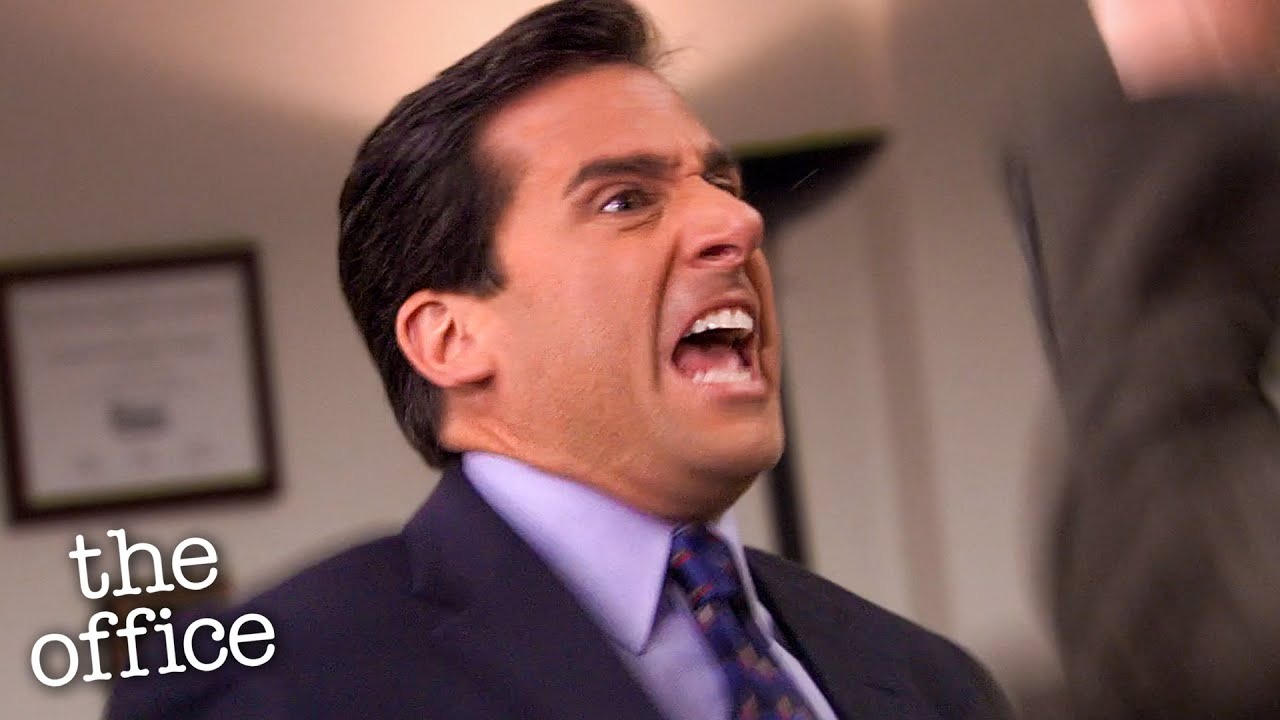
‘The Office’ doesn’t just make jokes—it documents emotional micro-moments that feel painfully real.
Relatability Is the Secret Sauce
Office politics. Bad bosses. Fake enthusiasm. Quiet quitting before it had a name.
The show mirrors modern work life so accurately that posting a meme feels like venting without typing a paragraph.
Michael Scott: The Internet’s Favorite Disaster
A Walking Meme Generator
Michael Scott is chaos wrapped in confidence. Every misguided speech, every inappropriate joke, every overconfident mistake—it’s meme gold.
He represents:
-
People who try too hard
-
Leaders who don’t know they’re failing
-
The voice in our head that should not be spoken out loud
Why We Can’t Stop Sharing Him
Michael is uncomfortable in the same way the internet is uncomfortable. And that’s why he fits.
Jim Halpert and the Power of the Look
Breaking the Fourth Wall Before Memes Did
Jim’s camera glances are basically reaction GIFs in human form. He reacts so we don’t have to.
Scrolling online? Same energy.
Why Jim Is the Internet’s Surrogate
He’s sarcastic but not cruel. Aware but not detached. Jim reacts the way we want to react in real life.
Dwight Schrute: Absurdity Done Right
Memes Love Extremes
Dwight is logic taken too far. Rules weaponized. Confidence without self-awareness.
In meme culture, exaggeration wins—and Dwight lives there permanently.
From Beet Farming to Internet Icon
What should’ve been a niche character became a symbol of delightful irrationality online.
The Role of Streaming in Meme Immortality
Netflix Changed Everything
When ‘The Office’ hit Netflix, it stopped being a TV show and became background noise for an entire generation.
People didn’t just rewatch—it looped endlessly.
Comfort Content Becomes Meme Fuel
Comfort shows lower emotional barriers. You quote them casually. You screenshot without thinking.
That repetition fuels meme culture.
Why ‘The Office’ Memes Work Across Platforms
Twitter: Fast Reactions
Perfect for punchy captions.
Instagram: Visual Storytelling
Reaction memes thrive here.
TikTok: Re-contextualization
Clips gain new meaning through sound and edits.
Slack & Workplace Chats
Ironically, ‘The Office’ memes dominate office communication.
Memes as Emotional Shortcuts
Why Type When You Can Post?
A single meme can say:
-
“I’m exhausted”
-
“This meeting could’ve been an email”
-
“I regret my choices”
That efficiency is why memes are language—and ‘The Office’ is fluent.
Cultural Timelessness: Why the Memes Don’t Age
Human Behavior Doesn’t Change
Technology evolves. Platforms shift. But awkwardness? Ego? Insecurity? Eternal.
‘The Office’ taps into behaviors that never expire.
Nostalgia + Irony = Viral Gold
We’re not just laughing—we’re remembering.
Memes hit harder when they carry emotional history, and ‘The Office’ has nearly two decades of it.
How Brands Hijacked ‘The Office’ Meme Energy
Marketing Learned the Language
Brands realized early: speak meme or be ignored.
‘The Office’ memes feel human, not corporate—which makes them dangerously effective.
The Psychology Behind Meme Sharing
Belonging Through Recognition
When someone gets your meme, they get you.
Sharing ‘The Office’ memes signals taste, humor, and cultural alignment.
Is There Another Show Like It?
Short answer: not really.
Other shows have memes. ‘The Office’ has a dictionary.
The Office Memes as Digital Body Language
In the same way emojis replaced tone, ‘The Office’ memes replaced explanation.
They are body language for the internet age.
The Future of ‘The Office’ Memes
Will They Ever Fade?
Unlikely.
As long as people work jobs they don’t love, attend meetings they hate, and smile through chaos—these memes will survive.
Conclusion: More Than Memes, It’s a Language
‘The Office’ memes didn’t just go viral—they became how the internet communicates emotion.
They’re efficient, relatable, endlessly adaptable, and deeply human. And that’s why, years after the final episode aired, the show still speaks louder online than most shows airing today.
So next time you post a Michael Scott reaction instead of typing a response—just know you’re fluent.