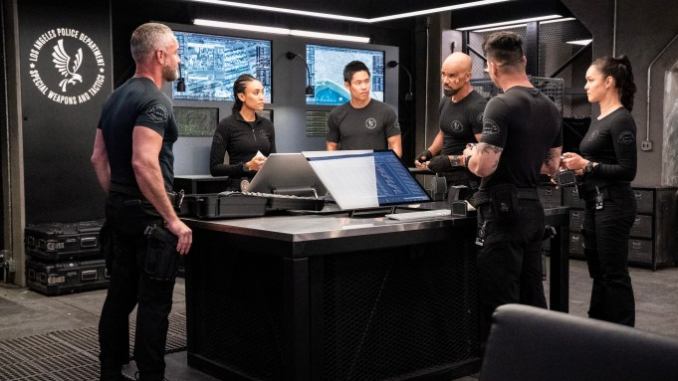
After eight adrenaline-fueled seasons, S.W.A.T. officially came to an end on CBS, closing the chapter on one of network television’s most resilient police dramas. Starring Shemar Moore as the commanding and deeply human Hondo Harrelson, the show didn’t just survive cancellation scares—it bulldozed through them.
So how did S.W.A.T. actually end? Did it get the sendoff it deserved? And what made this series last longer than anyone expected?
Let’s break it all down.
A Look Back: What Made S.W.A.T. a Hit in the First Place
A Modern Reboot With a Purpose
When S.W.A.T. premiered, it wasn’t just another procedural. It rebooted the 1975 classic with a modern lens—tackling social issues, policing ethics, and community trust without losing the high-octane action.
Shemar Moore as the Emotional Anchor
Shemar Moore’s portrayal of Daniel “Hondo” Harrelson gave the show its heartbeat. He wasn’t just leading a tactical unit—he was navigating identity, loyalty, and responsibility in a divided world.
That balance made audiences stick around.
Eight Seasons Is No Small Feat for a Network Drama
Why Most Police Procedurals Don’t Last This Long
Network TV is ruthless. Ratings dip? You’re gone. Budgets rise? You’re gone faster.
S.W.A.T. defied the odds.
The Power of a Loyal Fanbase
Every time cancellation rumors surfaced, fans showed up. Social media campaigns, streaming numbers, and vocal support helped keep the show alive—sometimes literally bringing it back from the dead.
The Rollercoaster Journey to the Final Season
Canceled… Then Saved
Few shows can say they were canceled and revived more than once. S.W.A.T. did exactly that, proving its value both on CBS and in streaming performance.
A Final Season With Purpose
By the time Season 8 rolled around, the writers knew the end was coming. And that made all the difference.
How S.W.A.T. Ended: The Series Finale Explained
No Gimmicks, No Shock-Value Ending
S.W.A.T. didn’t go out with a wild twist or cliffhanger. Instead, it stayed true to its roots—focused on duty, brotherhood, and resilience.
A Mission That Reflected the Series
The final episodes centered on high-stakes operations that mirrored what the show had always done best: blending action with emotional consequence.
Hondo’s Ending: A Leader Still Standing
No Exit, Just Evolution
Hondo didn’t ride off into the sunset or sacrifice himself for drama. Instead, his ending emphasized continuity—leadership doesn’t stop just because the cameras do.
Why That Choice Matters
It honored the reality of law enforcement work. The job doesn’t end. The mission continues.
What Happened to the Rest of the Team?
A Sense of Closure Without Finality
Each core character received a moment that reflected their growth. Not every story was wrapped in a bow—but it felt honest.
Team Over Individual Spotlight
The finale reinforced one of S.W.A.T.’s strongest themes: no one does this alone.
Why the Finale Felt Grounded and Real
Staying True to the Show’s DNA
Instead of chasing spectacle, the writers leaned into realism. The emotional beats landed because they felt earned.
A Love Letter to the Fans
Longtime viewers recognized callbacks, themes, and quiet moments that acknowledged the journey.
The Real Reason S.W.A.T. Ended After 8 Seasons
Network Economics, Not Creative Failure
S.W.A.T. didn’t end because it stopped working creatively. Rising production costs and shifting network priorities played a bigger role.
Streaming Changed the Game
As networks pivot toward new models, even successful shows feel the pressure.
Shemar Moore’s Impact on the Show’s Legacy
More Than a TV Cop
Moore brought emotional intelligence, vulnerability, and authority to Hondo. That combination turned a procedural into something more meaningful.
A Career-Defining Role
For many fans, S.W.A.T. will always be one of Shemar Moore’s most iconic performances.
Why S.W.A.T. Resonated in a Changing World
Addressing Social Issues Without Preaching
The show tackled real-world tensions thoughtfully, letting characters wrestle with complexity instead of offering easy answers.
Humanizing the Badge
S.W.A.T. focused on people first, uniforms second—and that made all the difference.
How Fans Reacted to the Series Ending
Bittersweet, But Grateful
Fans didn’t just mourn the ending—they celebrated the run. Eight seasons felt earned, not cut short.
A Rare Thing in Network TV
Most shows don’t get a proper goodbye. S.W.A.T. did.
Will S.W.A.T. Live On Beyond CBS?
Strong Streaming Potential
With solid performance on streaming platforms, the series has life beyond its network run.
Spinoffs or Revivals? Never Say Never
In today’s TV landscape, doors rarely stay closed forever.
What S.W.A.T. Leaves Behind
A Blueprint for Modern Procedurals
It proved you can blend action, emotion, and social relevance without losing mainstream appeal.
A Lasting Emotional Connection
Fans didn’t just watch S.W.A.T.—they invested in it.
Why the Ending Worked
It Respected the Characters
No betrayals. No out-of-character decisions. Just honesty.
It Trusted the Audience
The finale didn’t over-explain. It let moments breathe.
Conclusion: A Strong Finish for a Strong Series
S.W.A.T. ending after eight seasons on CBS wasn’t a failure—it was a full-circle moment. The series left behind a legacy of grounded storytelling, powerful performances, and a reminder that even in a crowded TV landscape, authenticity still wins.
Shemar Moore and the cast didn’t just close a show—they closed an era of network television that valued heart as much as action.
And that’s a finale worth respecting.
FAQs
1. Why did S.W.A.T. end after Season 8?
The show ended primarily due to rising production costs and network strategy shifts—not declining popularity.
2. Did S.W.A.T. get a proper series finale?
Yes. The final episodes were written to provide emotional closure without resorting to shock tactics.
3. What happened to Hondo in the finale?
Hondo remains a leader, symbolizing continuity rather than a definitive ending.
4. Was S.W.A.T. canceled abruptly?
No. While the show faced multiple cancellations in the past, Season 8 was planned as the final chapter.
5. Could S.W.A.T. return in the future?
With strong streaming numbers, a revival or spinoff remains possible.