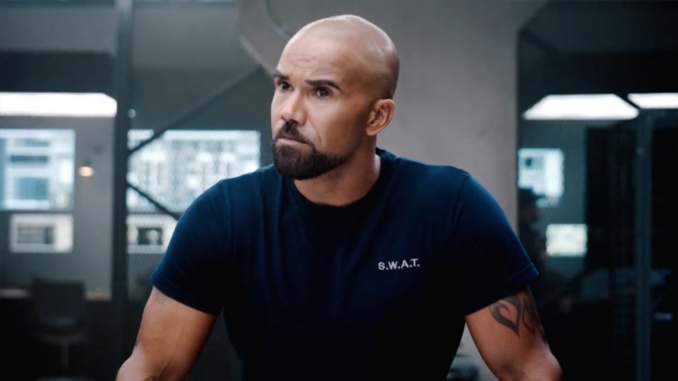
Shemar Moore has always brought intensity, heart, and authority to Daniel “Hondo” Harrelson on S.W.A.T.—but Season 7 marked a noticeable shift. The action was still there. The leadership still intact. But something felt deeper. Quieter. More grounded.
That change wasn’t accidental.
Behind the scenes, Moore himself stepped into a brand-new role: fatherhood. And that personal transformation found its way directly into Hondo’s Season 7 character arc, adding emotional layers fans could feel—even if they couldn’t always explain why.
So what happens when real life and character life collide? Let’s talk about it.
Shemar Moore: A Career Built on Strength and Heart
More Than an Action Star
For decades, Shemar Moore has played strong, commanding figures—but his appeal has always gone beyond muscle and authority. There’s vulnerability there. Compassion. A sense that his characters feel deeply, even when they don’t say much.
That balance became crucial in Season 7 of S.W.A.T.
Why His Personal Growth Matters
Actors don’t exist in a vacuum. Life experiences change how they show up on screen. And fatherhood? That’s a transformation you can’t fake.
Fatherhood Changed Everything for Shemar Moore
A New Perspective on Protection
Becoming a father rewires how you see the world. Suddenly, risk isn’t theoretical—it’s personal. Moore has spoken openly about how fatherhood sharpened his instincts and softened his edges at the same time.
That duality showed up on screen.
Responsibility Hits Different Now
Before, responsibility was professional. Now, it’s instinctual. And that emotional shift bled naturally into Hondo’s choices during Season 7.
Hondo’s Season 7 Arc: Leadership With a Deeper Pulse
Still the Boss—But More Reflective
Hondo didn’t lose his authority in Season 7. If anything, he became more thoughtful about how he used it.
Leadership wasn’t just about command anymore. It was about foresight.
The Quiet Weight of Being the One Everyone Leans On
Season 7 showed Hondo carrying pressure differently—less explosive, more internal. That emotional restraint made the character feel more real than ever.
How Fatherhood Influenced Hondo’s Emotional Decisions
Protective Instincts Turned Up
Hondo has always protected his team, but Season 7 framed that protection almost like family care. His concern felt parental at times—not controlling, just deeply invested.
Risk Assessment Took Center Stage
Season 7 often showed Hondo thinking twice, weighing consequences. That wasn’t hesitation—it was maturity.
The Parallel Between Shemar Moore and Hondo
Life Imitating Art
Moore didn’t need to “act” certain emotions anymore. He understood them on a cellular level. The fear, the pride, the quiet responsibility of being someone others depend on—it was all there.
Why It Resonated With Viewers
Audiences can spot authenticity instantly. That’s why Season 7 Hondo felt more layered without any dramatic overhaul.
Why Season 7 Felt More Grounded Than Ever
Less Posturing, More Presence
Hondo didn’t need to prove himself anymore. He knew who he was—and that confidence made him calmer, not louder.
Strength Without Noise
Season 7 leaned into emotional strength rather than constant physical dominance. It made every action feel intentional.
Fatherhood Themes Woven Subtly Into S.W.A.T.
Not a Plot Device—A Lens
The show didn’t suddenly turn into a parenting drama. Instead, fatherhood became a perspective—a way Hondo viewed risk, loyalty, and sacrifice.
Responsibility Beyond the Badge
Season 7 reinforced that being a protector doesn’t end when the shift does.
Hondo’s Moral Compass in Season 7
Right vs. Easy
Hondo consistently chose what was right—even when it complicated things. That’s a very parental mindset.
Teaching by Example
Instead of barking orders, Hondo modeled behavior. Leadership through action replaced leadership through command.
Why Fans Connected More Deeply in Season 7
Emotional Realism Over Shock Value
The show trusted its audience. Instead of flashy twists, it delivered emotional honesty.
Growth That Felt Earned
Nothing about Hondo’s evolution felt rushed or forced. It felt lived-in.
Shemar Moore on Vulnerability as Strength
Redefining Masculinity
Season 7 quietly challenged outdated ideas of masculinity. Hondo’s strength came from empathy, patience, and emotional intelligence.
Why That Matters Right Now
In today’s world, that portrayal feels timely—and necessary.
Behind the Scenes: Acting From a New Place
Less Performance, More Presence
Moore has hinted that fatherhood changed how he approaches scenes—listening more, reacting less, letting moments breathe.
Letting Silence Speak
Season 7 used silence powerfully, and Moore leaned into it beautifully.
Hondo’s Season 7 Growth Compared to Earlier Seasons
From Fighter to Guardian
Earlier seasons showed Hondo fighting battles. Season 7 showed him guarding futures.
Experience Over Impulse
Age, wisdom, and lived experience shaped every decision.
Why Season 7 Might Be Hondo’s Most Human Chapter
No Armor Needed
Hondo didn’t need emotional armor anymore. He trusted himself.
That Trust Changed Everything
Confidence without ego is rare—and compelling.
The Legacy of Hondo’s Season 7 Arc
A Blueprint for Long-Running Characters
Hondo proved characters don’t need reinvention—just evolution.
Why This Arc Will Be Remembered
Because it felt honest, timely, and deeply personal.
Conclusion: When Real Life Elevates Great Storytelling
Shemar Moore’s journey into fatherhood didn’t just change his life—it enriched S.W.A.T. in meaningful ways. Hondo’s Season 7 character arc reflected growth, restraint, and emotional intelligence that only comes from lived experience.
It wasn’t louder. It wasn’t flashier.
It was deeper—and that made all the difference.
FAQs
1. How did fatherhood influence Shemar Moore’s performance in Season 7?
It added emotional depth, restraint, and authenticity to Hondo’s leadership and decision-making.
2. Was Hondo’s character intentionally written differently in Season 7?
Yes, the arc leaned into maturity, responsibility, and emotional growth.
3. Did S.W.A.T. address fatherhood directly in Season 7?
Not overtly. The influence was subtle and thematic rather than plot-driven.
4. Why did Season 7 feel more grounded than previous seasons?
Because it focused on internal growth rather than constant external conflict.
5. Is Season 7 considered one of Hondo’s strongest arcs?
Many fans believe so due to its emotional realism and character depth.